

Hit while walking on Long Island or in NYC
Long Island and New York City Pedestrian Accident Attorneys
A pedestrian hit by a car usually has up to three sources of payment: no-fault benefits, a claim against the driver and owner, and MVAIC when the driver fled or had no insurance.
Each has its own deadline, and some are measured in days, not years.
Start here
Who pays when a car hits a pedestrian
These are possible claim paths, not three payments available in every case. MVAIC is a potential fallback for eligible people after other coverage is checked.
1
No-fault benefits
The insurer for the vehicle involved, or a policy in your household
Medical bills and some lost earnings, regardless of fault. Insurance Law 5103(a)(1) covers people who were not occupants of another motor vehicle or motorcycle, which includes pedestrians.
2
Claim against the driver and owner
The driver's and owner's liability coverage
Pain and suffering and losses beyond no-fault. Non-economic loss generally requires a serious injury, and fault is compared under CPLR 1411.
3
MVAIC
Motor Vehicle Accident Indemnification Corporation
When the vehicle fled or was uninsured. Hit-and-run claims need a police report within 24 hours and an MVAIC filing within 90 days.
Sources: Insurance Law 5103, Insurance Law 5208, DFS Circular Letter No. 3 (2026). For how no-fault claims are filed, see our no-fault and PIP guide.
Fault
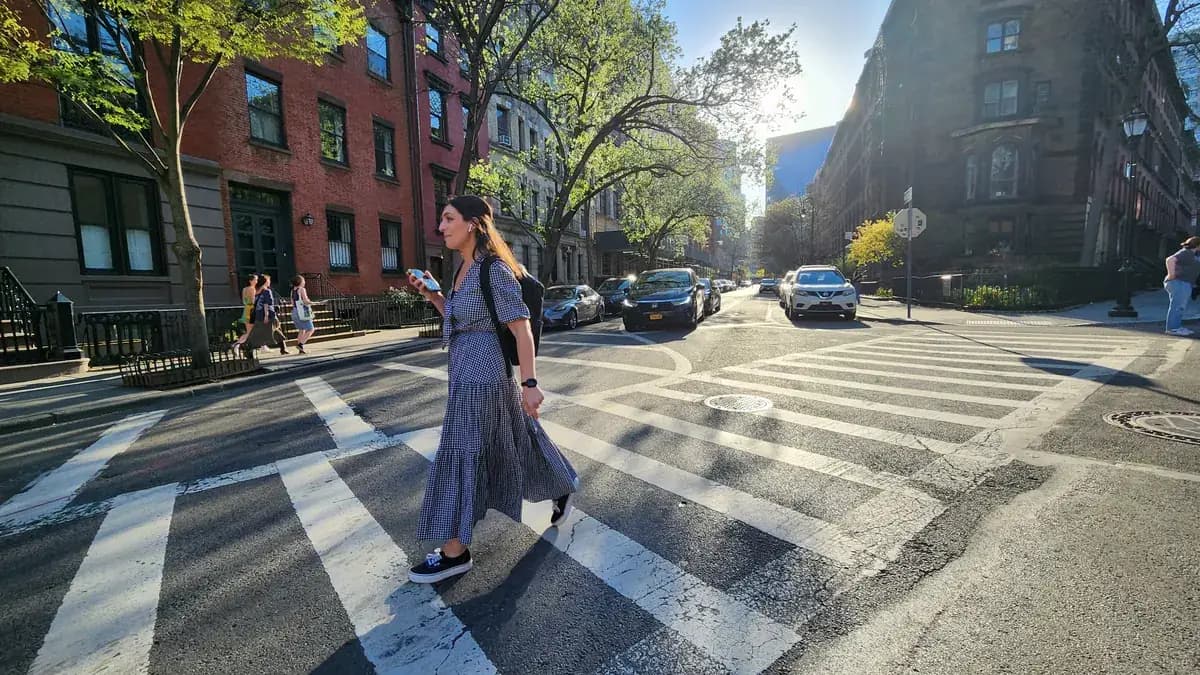
Right of way, crosswalks and fault in 2026
Insurers often argue that the pedestrian stepped out, crossed mid-block or ignored the signal. The law puts duties on both sides.
Where signals are not in place or not operating, a driver "shall yield the right of way, slowing down or stopping if need be to so yield, to a pedestrian crossing the roadway within a crosswalk."
Vehicle and Traffic Law 1151, which also bars a pedestrian from suddenly leaving the curb into the path of a vehicle too close to yield.
Under CPLR 1411, a pedestrian's own fault generally reduces the damages in proportion to that fault rather than ending the claim.
The 2026 change matters here. In personal injury actions subject to Insurance Law article 51, which covers motor-vehicle injury claims, commenced on or after May 26, 2026, recovery is barred if the injured person's culpable conduct is greater than that of the defendants. A disputed crossing can now decide whether there is any recovery at all.
Nassau and Suffolk
Pedestrian claims on Long Island
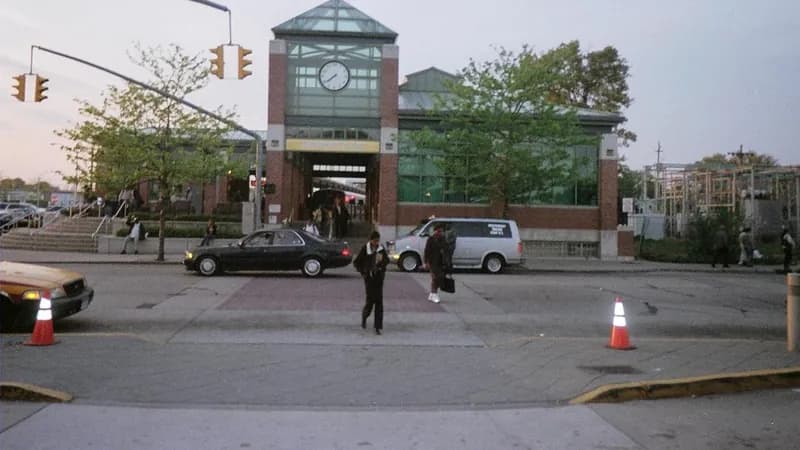
Long Island crashes often happen on wide, fast arterials, at shopping-center driveways and near train stations, where crossings are long and drivers are turning. Lighting, signal timing and sight lines become evidence.
Roads here may belong to the state, Nassau or Suffolk County, a town or a village. A claim that a county, town or village road, signal or crossing design contributed generally needs a notice of claim within 90 days (General Municipal Law 50-e).
Our Uniondale office at RXR Plaza serves Carle Place, Westbury, Mineola, New Hyde Park, Franklin Square, West Hempstead and the rest of Nassau County, and we represent Suffolk County residents as well.
First weeks
Evidence that disappears first
Pedestrian cases are often decided by seconds and feet. Ask for these before they are overwritten or repaired.
- Video: store, building, bus and doorbell cameras, and dashcams, which are often recorded over within weeks.
- The vehicle: damage location, windshield marks and any vehicle data, before repair.
- The crossing: signal phase and timing, markings, lighting, sight lines and work-zone set-up.
- People: witnesses, the police report and the officer's notes; for a hit-and-run, the 24-hour report.
- Medical proof: emergency records, imaging and follow-up care that document how the injuries limit you.
Pedestrian case results
Results for pedestrians and their families
Each of these firm results involved a pedestrian, including one wrongful death award. The published case descriptions do not identify the county where each accident happened. Historical descriptions are reproduced as firm records, not as a statement of damages available under current New York law.
Prior results do not guarantee a similar outcome. Every case depends on its own facts.
See the full verdicts and settlements archive$1,850,000
$1,850,000 Award — Wrongful Death of Pedestrian
Wrongful death of pedestrian struck while crossing the street. Despite very limited pecuniary loss, substantial award obtained for family's loss of companionship and emotional damages.
$990,000
$990,000 Settlement at Jury Selection. Federal Court. Eastern District
Plaintiff was pedestrian struck by van resulting in multiple fractures requiring several surgeries.
$700,000
$700,000.00 Settlement at Jury Selection
Pedestrian accident sustaining right displaced zygoma fracture post trauma with significant displacement; right alveoli and palatal fracture with malocclusion; right orbital and ethmoid fractures with enophthalmos.
Read the case study$500,000
$500,000 RECOVERY
Plaintiff pedestrian struck by defendant bicyclist traveling wrong way on one-way street
$325,000
$325,000 Parking Lot Pedestrian Accident Settlement
We secured a $325,000 settlement on behalf of our client despite the defense arguing that his injuries were pre-existing. After being struck by a vehicle in a parking lot, our client sustained serious injuries that required laparoscopic surgery. Through diligent advocacy, we secured the compensation he deserved.
Local pages
Pedestrian accident lawyers by county
Related situations
When it was not a car
- Hit by an e-bike or electric scooter? No-fault usually does not apply, so the claim runs against the rider and others. See e-bike and e-scooter accidents.
- Riding a bicycle when hit? See bicycle accidents.
- Looking for the office nearest you? See pedestrian accident lawyer near me.
- Lost a family member? See wrongful death.
- Hit by a bus? Public bus claims have their own notice rules: see bus accidents.
Questions
Pedestrian accident questions
Call 911 so police respond and a report is made, and get medical care the same day. If you can, photograph the vehicle, its plate, the crossing and the signals, and collect witness names and numbers. If the driver left, report it to police right away: New York's MVAIC law ties hit-and-run claims to a police report made within 24 hours. Tell insurers about the accident promptly, because no-fault notice deadlines are short, and avoid recorded statements until you know who is handling your claim.
Usually New York no-fault first-party benefits pay first, regardless of fault. Insurance Law 5103(a)(1) extends those benefits to persons other than occupants of another motor vehicle or motorcycle, which includes pedestrians, for loss arising out of the use of the insured vehicle. Which policy handles the claim depends on the vehicle involved and the policies in your household, so identify it early. A claim for pain and suffering is separate and is made against the driver and owner.
Possibly. Vehicle and Traffic Law 1151 requires drivers to yield to pedestrians within a crosswalk where signals are not operating, and also says a pedestrian may not suddenly leave the curb into the path of a vehicle too close to stop. Crossing elsewhere is a fault question, not an automatic bar. Under CPLR 1411 your recovery is reduced by your share of fault, and in motor-vehicle injury actions commenced on or after May 26, 2026, recovery is barred if your share is greater than that of the defendants.
The Motor Vehicle Accident Indemnification Corporation (MVAIC) can be a source of payment. Under Insurance Law 5208, a claim involving an unidentified vehicle requires that the accident was reported to a police, peace or judicial officer within 24 hours and that a filing is made with MVAIC within 90 days. Claims involving an identified but uninsured vehicle have a 180-day filing period. Because these windows are short, keep the police report number and start the paperwork early.
Most personal injury actions must be started within three years (CPLR 214). If a city, county, town, village or similar public body is involved, for example because of a road defect or a municipal vehicle, a notice of claim is generally due within 90 days (General Municipal Law 50-e) and the lawsuit within one year and 90 days (General Municipal Law 50-i). A wrongful death action generally must be started within two years of the death.
For pain and suffering in a New York motor-vehicle case, generally yes: the injury must meet New York's serious injury definition. The 2026 amendments apply to actions and proceedings commenced on or after May 26, 2026, not based on the accident date, and removed the former 90/180 category. Economic losses beyond no-fault follow different rules. See our no-fault guide and the DFS circular linked on this page.
The same New York law applies, but the road itself may be maintained by the state, the county, a town or a village, and a claim about a county, town or village road generally starts with a 90-day notice of claim. Our Uniondale office at RXR Plaza serves Carle Place, Westbury, Mineola, New Hyde Park and the rest of Nassau County, and our Nassau County pedestrian page covers local roads and reporting in more detail.
New York's wrongful death action is brought by the personal representative of the estate, generally within two years of the death, and recovers the family's pecuniary (financial) losses plus medical and funeral expenses. For municipal claims governed by General Municipal Law 50-e, the 90-day wrongful death notice period runs from the appointment of the estate representative; other public defendants may have different rules. Our wrongful death page explains the steps.
Talk to a pedestrian accident attorney
Tell us where and when it happened. We will identify the insurers, the deadlines that apply to you and the evidence to request first. The consultation is free.
What to bring
- Police report or incident number
- Photos of the scene, vehicle and injuries
- Insurance cards for your household
- Names of witnesses and treating doctors
Photo credits: Stuyvesant Street crosswalk by CaptJayRuffins, CC BY 4.0, cropped and resized; Hempstead LIRR crosswalk by DanTD, CC BY-SA 3.0, cropped and resized.