

Long Island · New York City
Skilled Long Island Attorneys Understand the Complexities of Products Liability Cases
When a person is injured by a product that is unreasonably dangerous or unsafe, they may have a products liability claim against the companies involved in putting that product in their hands.
We develop cases on every ground the facts support: design, manufacturing and warnings.

Product evidence review
We preserve the product before the story changes
Product cases turn on details that disappear quickly: the product itself, packaging, labels, model numbers, purchase records and similar complaints. We treat the product as evidence from day one, once everyone is safe. Never keep using, testing or retrieving a product that may be dangerous.
- Safety first: stop using it, and leave fire, smoke, leaks or damaged batteries to emergency responders.
- Once it is safe, keep the product unchanged; do not repair, discard or return it.
- Keep packaging, manuals, labels, model and serial numbers.
- Keep the receipt or any proof of where it came from.
- Photograph the product, the scene and the injury.
- Write down how it was being used and by whom.
- Store it safely, unplugged and away from people; do not hand it to the manufacturer or an insurer for testing without advice.
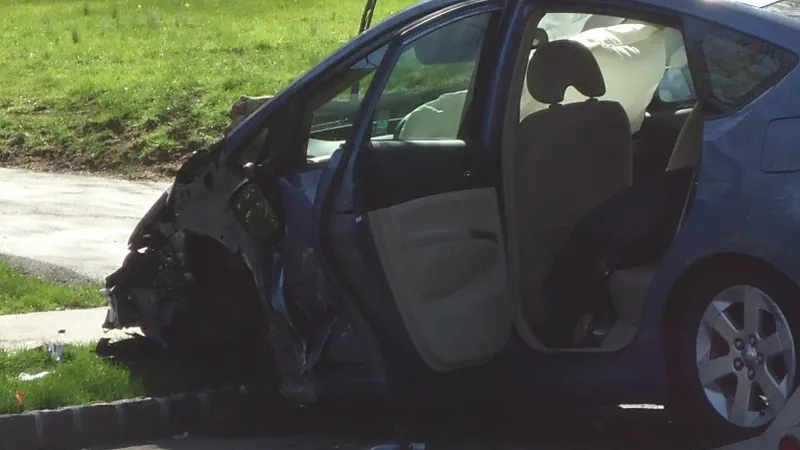
After a crash, the vehicle may be the key evidence. Ask before it is repaired, sold or scrapped. Crash claims also follow the rules on our auto accident page.
New York law
Three types of product defects that can cause injuries
Design defects
The product as designed was not reasonably safe: its risks outweighed its usefulness when it was made (Voss; Adams).
Examples
- Unstable furniture that tips over
- Tools without proper safety guards
- Electronics prone to overheating
- Toys with choking hazards
Manufacturing defects
This unit differed from the design because of a production error. If the flaw cannot be found, proof may be circumstantial if other causes are excluded (Speller).
Examples
- Contaminated food products
- Improperly assembled machinery
- Defective brakes
- Faulty electrical components
Legal grounds
Legal grounds for products liability claims
Depending on the facts, a claim can rest on more than one theory. Each has its own proof.
Strict products liability
You need not prove carelessness, but you must prove the product was defective and the defect was a substantial factor in the injury. Claims can reach the manufacturer and others in the distribution chain (Speller), and bystanders are covered (Codling v Paglia).
Negligence
Careless design, testing, inspection, labeling or failure to warn of a danger the company knew or should have known about.
Breach of warranty
The product did not meet an express promise or was not fit for its ordinary purpose.
Limits
A later substantial modification by someone else that caused the injury can defeat a design or manufacturing claim (Robinson); a failure-to-warn claim is evaluated separately. Your own share of fault generally reduces damages rather than barring the claim (CPLR 1411).
Recalls
What a recall does and does not prove
A recall is not proof
It can be useful evidence, but it does not by itself prove your unit was defective or that the defect caused your injury.
No recall is not a defense
A product that was never recalled can still be defective. The claim depends on the defect and causation.
Check consumer-product recalls on the CPSC recall search and report an unsafe product at SaferProducts.gov. Keep the product stored safely while you do; stop using it.
Deadlines
Time limits depend on the claim
- Injury: generally three years (CPLR 214).
- Exposure to a substance with a later injury: three years from discovery of the injury, or from when it reasonably should have been discovered, whichever is earlier (CPLR 214-c).
- Death: generally two years after the death (EPTL 5-4.1).
- A child: CPLR 208 can extend the time.
Common products
Common types of defective products
- Vehicles: airbags, brakes, tires, seat belts
- Electronics: batteries, chargers, wiring
- Home products: heaters, appliances, furniture
- Tools and machines: guards, switches
- Medical devices: implants and equipment
- E-bikes and scooters: see e-bike injuries
Damages recoverable
Medical treatment past and future, lost wages and earning capacity, rehabilitation, home modifications, pain and suffering, scarring and loss of enjoyment of life. In a fatal case, the estate representative brings a wrongful death claim.
Our investigation process
Product preservation and expert examination, design and testing documents, similar incidents and recalls, medical records, witness statements and photographs, and economic damage analysis.
Serving clients across New York
Nassau County (Uniondale, Mineola, Carle Place, New Hyde Park, Franklin Square, West Hempstead), Suffolk County, and all five New York City boroughs. Over 40 years of injury practice.
The firm's published verdicts and settlements archive does not currently list a products liability result, so none is shown here. Prior results do not predict any other case.
Questions
Frequently asked questions
Related: personal injury, wrongful death, catastrophic injury, burn injuries.
Safety comes first: get medical care, and if there is fire, smoke, leaking fluid or a damaged battery, leave it to emergency responders and do not handle it. Stop using the product. Once it is safe, keep it as it is: do not throw it away, repair it or send it back. Keep the packaging, manual, labels, receipt and any parts. Photograph the product, the scene and your injuries, and write down how it was being used. Talk to a lawyer before giving a statement to the manufacturer or its insurer.
Usually three years from the injury. If the injury came from exposure to a substance and showed up later, the three years from discovery of the injury, or from when it reasonably should have been discovered, whichever is earlier. That rule is for latent exposure injuries, not discovery of a defect. A death claim is generally due two years after the death, and time can be extended for a child. Because the deadline depends on the theory and the facts, check it early.
New York recognizes three: a manufacturing flaw in the particular unit; a design that makes the product not reasonably safe, judged by weighing its risks against its usefulness when it was made; and missing or inadequate warnings or instructions. One product can have more than one.
The manufacturer, and others in the distribution chain such as component makers, distributors and retailers, if the defect was a substantial factor in causing the injury. A bystander hurt by a defective product can also bring a claim. Which companies are actually liable depends on the facts.
Depending on the case, medical costs, lost earnings and earning capacity, pain and suffering, scarring and loss of enjoyment of life. Family members may have claims after a death. Punitive damages are rare and need proof of especially serious misconduct.
These cases usually need engineering or medical experts, testing of the product, and documents from the manufacturer. The manufacturer will often argue misuse or alteration. A lawyer can preserve the product properly and identify every company in the chain. There is no fee unless there is a recovery.
A recall can be useful evidence, but it does not by itself prove that your unit was defective or that the defect caused your injury. You still have to show the defect and causation. And a product that was never recalled can still be defective. Look up recalls on the CPSC site and report unsafe products on SaferProducts.gov.
With the product itself, expert testing, design and testing documents, similar complaints and evidence of a safer design that was available. Misuse the manufacturer should have foreseen does not automatically defeat the claim. If the specific flaw cannot be found, the claim may proceed if the product did not perform as intended and other causes are ruled out. A later substantial alteration by someone else that caused the injury can defeat a design or manufacturing claim; a warning claim is evaluated separately.
Often yes. The injured person, not only the buyer, can bring the claim, and a bystander can too. With a used product, the question is whether the defect existed when it left the manufacturer or seller, rather than wear, repair or later changes.
Many cases settle, often after the product has been tested and documents exchanged, but each case should be prepared for trial. Timing depends on the experts, the number of companies involved and the court. You decide whether to accept any settlement.
Injured by a defective product? We can help.
Call before the product leaves your hands. We will tell you how to keep it safely and which deadline applies. Free consultation; no fee unless there is a recovery.
What to bring
- The product, or photos of it
- Packaging, manual and labels
- Receipt or where it came from
- Medical records and bills
Photo credits: Electric ceramic space heater by Tony Webster, CC BY 2.0, cropped and resized.