

Nursing home neglect and abuse
Long Island Nursing Home Neglect Lawyer
Neglect is a facility's failure to give care it owed. A decline alone does not prove it. Comparing the care plan with the care your parent actually received helps show whether missed care caused harm.
We represent families in Nassau and Suffolk counties and across New York City.
Start here
Neglect, abuse, or a hard outcome?
Families usually notice a change first: a bruise, weight loss, a pressure sore, a fall nobody explained. Sorting what happened into one of these three categories decides what has to be proven.
01
Neglect
The facility failed to provide care or supervision it owed: hazards left in place, fall-prevention plans ignored, residents not repositioned, meals and fluids missed.
42 CFR 483.25(b), (d)02
Abuse
Residents have the right to be free from abuse, neglect, misappropriation of property and exploitation. Staff must report a reasonable suspicion of a crime within 2 hours if there is serious bodily injury, otherwise within 24 hours.
42 CFR 483.1203
A hard outcome
Decline, infection or a fall can happen despite proper care. The question is whether the care actually given matched what the resident's condition and care plan required.
Pressure ulcers "unless … clinically unavoidable" — 42 CFR 483.25(b)(1)
New York law
New York's resident-rights claim
Beyond ordinary negligence, Public Health Law 2801-d lets a nursing home resident sue a facility that deprived them of a right or benefit and caused injury.
- Injury covered: physical or emotional harm, death and financial loss.
- Facility's defense: that it exercised all care reasonably necessary to prevent and limit the deprivation and injury.
- Damages: at least 25 percent of the daily per-patient rate for each day the injury exists; punitive damages for willful or reckless deprivations.
- Fees: the court may award the resident reasonable attorneys' fees.
- Medical judgment: claims attacking a doctor's treatment decisions may be medical malpractice, with a shorter deadline (CPLR 214-a).
Proof
Records that show what happened
Nursing home cases turn on documents the facility keeps. Compare them with what you saw on visits.
- Care plan and assessments — what the facility decided your parent needed.
- Repositioning and wound notes — whether turning schedules were kept and sores were caught early.
- Fall and incident reports — what staff recorded, and when the family was told.
- Medication administration records — missed or wrong doses.
- Staffing schedules and inspection findings — whether the problem went beyond one shift.
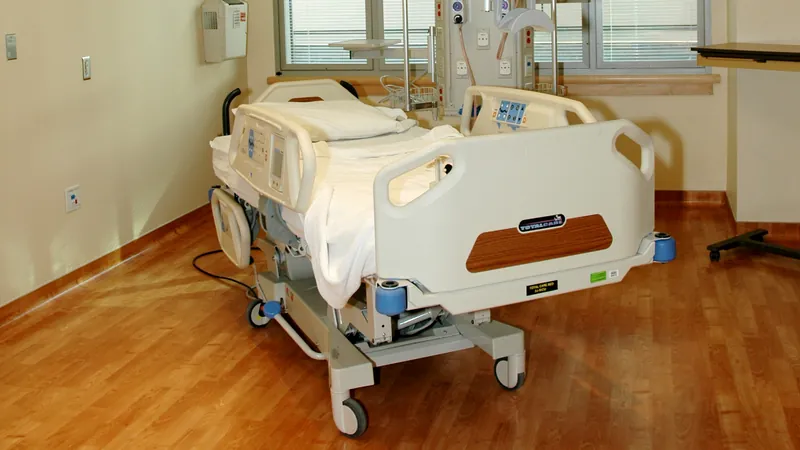
- Equipment — bed rails, wheelchair brakes, alarms and lifts that failed or were missing.
If you suspect neglect now
Protect your parent first
- Call 911 for an emergency and make sure a doctor examines and documents the injury.
- Report concerns to the administrator in writing and keep a copy.
- File with the New York State Department of Health: online complaint form, or the hotline at 1-888-201-4563 (staffed weekdays 8:30 a.m.–4:45 p.m.; voicemail otherwise).
- Photograph injuries and conditions on each visit, with dates.
Deadlines
Time limits families face
- Negligence or 2801-d claim: generally three years (CPLR 214).
- Medical malpractice: generally two years and six months (CPLR 214-a).
- Death: wrongful death generally within two years (EPTL 5-4.1).
- Municipal facility: notice of claim generally within 90 days (GML 50-e).
Medical negligence results
Results in medical negligence cases
These are published medical malpractice results of the firm. Neither involves a nursing home; they are shown as examples of the firm's medical-negligence work only.
Prior results do not guarantee a similar outcome. Every case depends on its own facts.
See the full verdicts and settlements archive$1,300,000
$1,300,000 Medical Malpractice settlement
47 year old male police officer injured as a result of surgical malpractice by an orthopedic surgeon resulting in an inability to work and permanent impairment of gait.
Read the case study$3,000,000
$3 Million Dollar Settlement — Failure to Diagnose
Failure to diagnose the plaintiff's cancer resulting in a $3 million dollar settlement.
Related
More on nursing home injuries
- Nursing home abuse and neglect warning signs and types of abuse.
- Bed sore injuries and how pressure ulcers are staged.
- Nursing home accidents: falls, transfer and lift injuries, and the incident records behind them.
- Wrongful death when neglect contributed to a death.
- Medical malpractice for physician and hospital errors.
- Long Island personal injury for other Nassau and Suffolk claims.
- Our Uniondale office serving Nassau County families.
Questions
Nursing home neglect questions
Neglect is a failure to give a resident the care and supervision the facility owed. Federal rules for certified nursing homes require facilities to keep the resident environment as free of accident hazards as possible, to give each resident adequate supervision and assistance devices to prevent accidents, and to provide care to prevent pressure ulcers (42 CFR 483.25). Missed repositioning, ignored fall-risk plans, dehydration and unanswered call bells are common examples.
Not by itself. Older residents can decline even with good care, and the federal pressure-ulcer rule itself recognizes ulcers that are clinically unavoidable. Neglect is shown by the gap between what the care plan and the resident's condition required and what staff actually did, which is why the chart, the care plan and your own observations matter.
New York Public Health Law 2801-d makes a residential health care facility liable to a patient injured by the deprivation of a right or benefit created by law, contract or regulation. The facility can defend by proving it exercised all care reasonably necessary to prevent and limit the deprivation and injury. Damages are at least 25 percent of the daily per-patient rate for each day the injury exists, punitive damages are possible for willful or reckless deprivations, and the court may award attorneys' fees.
Sometimes. Claims about basic care, supervision and resident rights are usually brought as negligence and Public Health Law 2801-d claims. Claims that challenge medical judgment, such as a physician's diagnosis or treatment decisions, may be treated as medical malpractice, which has a shorter deadline of two years and six months (CPLR 214-a). How the claim is framed affects the deadline, so it should be reviewed early.
Personal injury claims and claims on a liability created by statute generally must be started within three years (CPLR 214). Malpractice claims generally have two years and six months (CPLR 214-a). If the resident died, a wrongful death action generally must be commenced within two years of death (EPTL 5-4.1). For a facility run by a county or other municipality, a notice of claim is generally due within 90 days (General Municipal Law 50-e).
Call 911 for an emergency. The New York State Department of Health investigates nursing home complaints; it asks for complaints in writing through its online Nursing Home Complaint Form, and its Nursing Home Complaint and Discharge Appeal Hotline is 1-888-201-4563, staffed weekdays 8:30 a.m. to 4:45 p.m. with voicemail at other times. Put your concerns to the administrator in writing and keep a copy.
Ask for the care plan, medication administration records, repositioning and turning documentation, fall and incident reports, wound assessments, physician orders and nursing notes. Keep your own dated notes and photographs from each visit. Staffing schedules and Department of Health inspection findings can show whether the problem was broader than one shift.
Yes. From our Uniondale and Brooklyn offices we represent residents and families in Nassau and Suffolk counties and throughout the five boroughs of New York City.
Talk to a Long Island nursing home neglect lawyer
Tell us which facility, what changed and when. We will explain what the records should show, which claim fits, and the deadline that applies. The consultation is free and confidential.
What to bring
- Facility name and dates of stay
- Photos and your visit notes
- Any incident reports or letters from the facility
- Hospital discharge papers
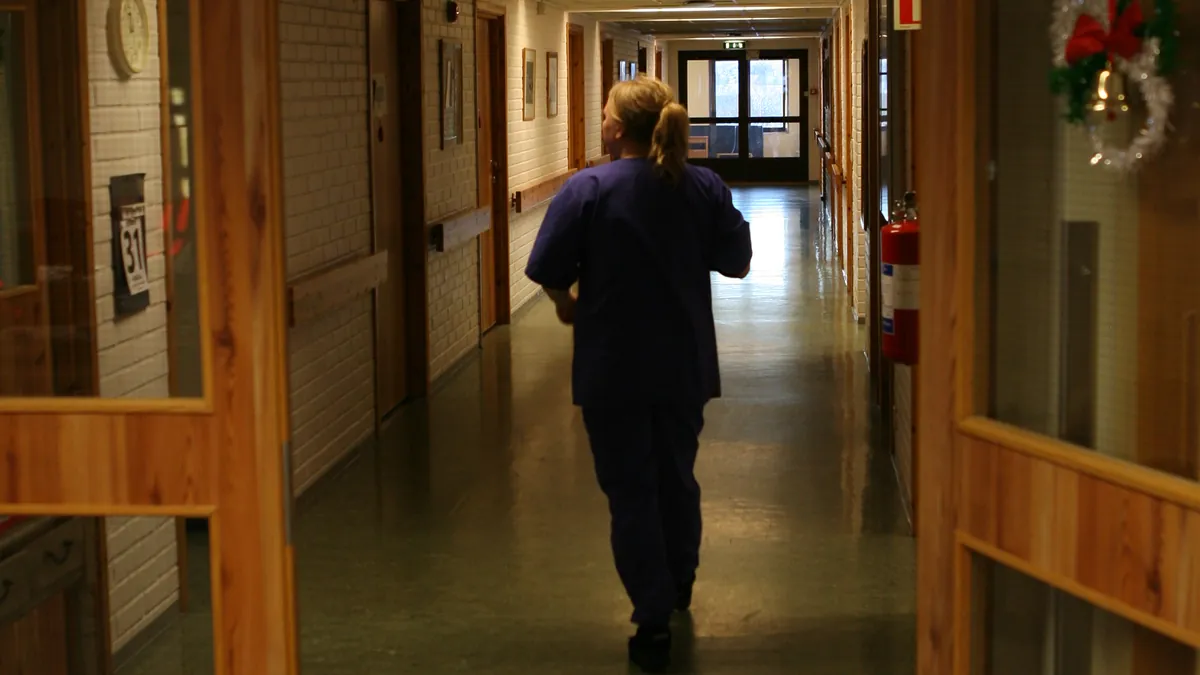
Photo credits: Nursing home corridor by Thomas Bjørkan, CC BY-SA 3.0, cropped and resized.