

Nassau and Suffolk · served from our Uniondale office
Long Island Bus Accident Attorney
Who ran the bus decides the first deadline. Against Nassau or Suffolk County or a school district, a notice of claim is usually due within 90 days; against a private bus company, an injury suit generally has three years.
Over 40 years of experience. Free consultation; no fee unless there is a recovery.
Start here
Which bus was it?
Ordinary injury claims only. The bus number, the name painted on the side and the route sign usually tell us the operator.
- A NICE bus (Nassau County)
- Nassau County owns the system; Transdev runs daily operations under contract (NICE). We look at both. More on NICE claims from our Nassau County bus accident lawyer page.
- First deadline: Against the County: a notice of claim within 90 days, suit within one year and 90 days (GML 50-e, County Law 52).
- A Suffolk County Transit bus
- Suffolk County's bus system (SCT). If a private contractor operated the bus, it can be responsible for its own driver and maintenance.
- First deadline: Against the County: the same 90-day notice and one year and 90 days. Against a contractor alone: generally three years.
- An NYC Transit or MTA Bus Company bus in Nassau
- The transit corporation that ran it, not NICE.
- First deadline: New York City Transit: a notice of claim within 90 days (PAL 1212). MTA Bus Company: no notice for an injury claim, but the claim is presented and 30 days pass before suit (PAL 1276).
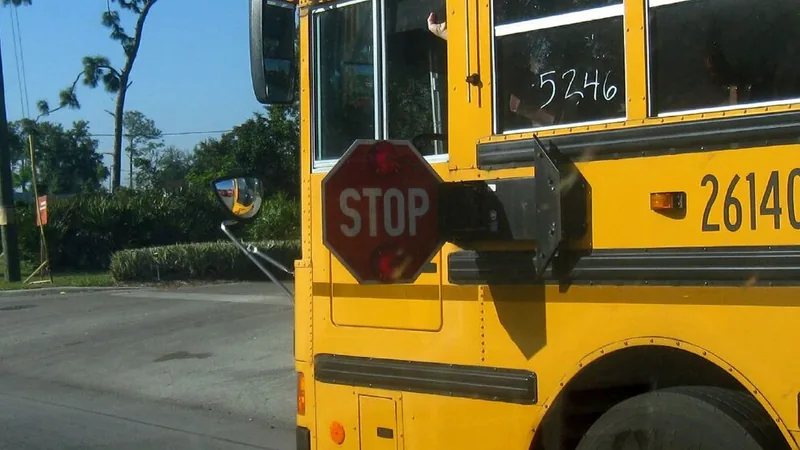
- A school bus
- The school district if it owns or operates the bus, or the private contractor that does; each only for its own negligence.
- First deadline: District: a notice of claim within 90 days (Education Law 3813). Contractor: generally three years.
- A private coach, charter or Hamptons bus
- The bus company and its driver; any other negligent driver.
- First deadline: No county notice; an injury suit generally within three years (CPLR 214(5)).
- A State vehicle or State road defect
- The State, only for its own negligence.
- First deadline: File the claim in the Court of Claims and serve it on the Attorney General within 90 days, unless a timely notice of intention extends the time to file (CCA § 10(3)).
Wrongful death is different. Against public authorities and public benefit corporations, a wrongful death action needs a notice of claim and must be started within two years of the death (PAL 2980, 2981); the 90-day notice period runs from the appointment of the estate representative (GML 50-e). Against other defendants, generally two years from death (EPTL 5-4.1).
Exceptions and tolls — for example a court's permission to serve a late notice under GML 50-e(5), or rules for minors and people under a disability — can change these dates. Have a lawyer calculate the deadline for your claim and defendant rather than relying on a general rule.
Hurt on a NICE bus or elsewhere in Nassau? See our Nassau County bus accident lawyer page for NICE routes, terminals and the County's claim steps.
Long Island bus accident attorney review
Who May Be Responsible After a Long Island Bus Crash?
We identify the bus company or public operator, the bus drivers involved, every insurance company and any other liable party before a claim is valued.
Bus crashes and carrier proof
Route logs, dispatch notes, camera video, driver training and maintenance records show whether the operator ran the bus safely. We ask for them in writing early.
Medical bills and damages
The file connects emergency care, medical bills, lost earnings and future treatment to the crash. Where no-fault applies it pays eligible bills first; a claim against the operator can seek other proven losses, subject to liability, coverage and any injury threshold that applies.
Free consultation timing
Call us soon after the crash. Public bus claims can need a notice within weeks; private bus claims follow the ordinary three-year rule.
Two counties
Nassau or Suffolk: what changes
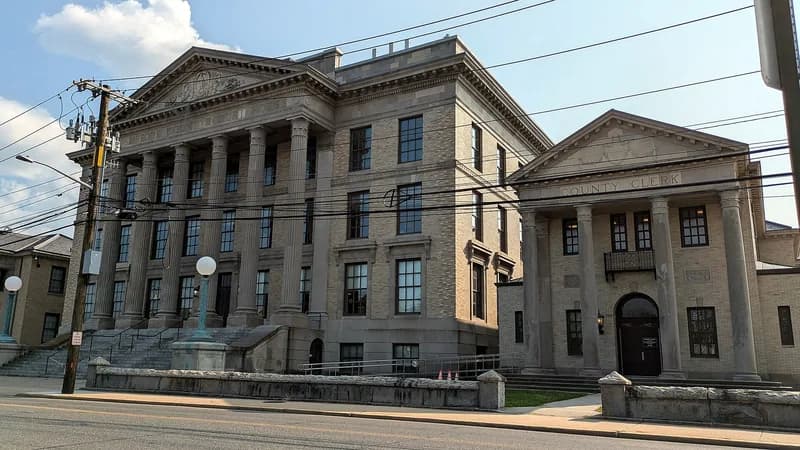
The same State law governs both counties. What changes is who wrote the police report, which county bus system was involved and, if a lawsuit is filed there, which courthouse hears it. Venue also depends on where the parties live.
- Police report
- Nassau County: Usually the Nassau County Police; a village police department in some villages. Request it from the NCPD Records Bureau.
- Suffolk County: Usually the Suffolk County Police, or the local police agency that responded. Request an SCPD report through SCPD.
- Court, if the case is venued there
- Nassau County: Supreme Court, Nassau County, in Mineola.
- Suffolk County: Supreme Court, Suffolk County.
- Adult trauma centers (DOH list)
- Nassau County: Nassau University Medical Center, North Shore University Hospital, NYU Langone Hospital–Long Island (Level I adult) and Mount Sinai South Nassau (Level II adult).
- Suffolk County: Good Samaritan Hospital Medical Center, South Shore University Hospital, Stony Brook University Medical Center (Level I adult) and NYU Langone Hospital–Suffolk (Level II adult).
- County bus system
- Nassau County: NICE (County-owned, Transdev-run).
- Suffolk County: Suffolk County Transit.
Trauma list: NYS Department of Health. Ambulance crews choose the hospital; no affiliation is implied.
Passengers
Hurt on board without a crash
A collision is not required. Bus operators owe passengers reasonable care under the circumstances, the standard New York's highest court set in 1998 (Bethel). A fall when the bus braked needs proof of a jerk or lurch that was unusual or violent (Urquhart), so bus video, the bus's data and other riders' accounts matter.
Doors that close on a rider, a slippery floor or a lift that fails turn on what the operator knew and did. If you were in a car the bus hit, no-fault benefits from the applicable insurer usually come first, and which insurer pays depends on the facts; see the no-fault and PIP guide.
2026 changes apply by commencement date. They cover personal-injury actions under New York's no-fault law (Insurance Law article 51) commenced on or after May 26, 2026; what matters is when the lawsuit is commenced, not the accident date (DFS Circular Letter No. 3 (2026)). For those actions:
- the former 90/180 serious-injury category no longer applies;
- a claimant whose culpable conduct is greater than that of the defendant, or of the defendants combined, is barred from recovery; otherwise, including at an even 50/50 split, damages are reduced by the claimant's share (CPLR 1411);
- except in an action for death, non-economic damages are limited to $100,000 for an injured person who is at fault, is not barred under CPLR 1411, and was operating an uninsured vehicle they were responsible for insuring (unless the lapse in coverage was less than 30 days), was operating while impaired and was convicted of that offense, or was operating in the commission of, or immediate flight from, a felony and was convicted of it (Insurance Law 5104(d)).
Published result
A municipal bus case
This published settlement involved a municipal bus. The record does not identify the borough or county where the crash happened, and it is not offered as a prediction for any other case.
Over 40 years, the firm has recovered more than $100 million for clients.
Prior results do not guarantee a similar outcome. Every case depends on its own facts.
See the full verdicts and settlements archive$250,000
$250,000 Settlement — Municipal Bus Rear-End Collision
A municipal bus rear-ended our client, resulting in injuries that required an ablation procedure.
Hurt in a Long Island bus crash?
If a county or school district ran the bus, a notice may be due within 90 days. Call us so the deadline and the operator's records are protected.
Questions
Frequently Asked Questions About Long Island Bus Accidents
Call 911 and get medical care. Write down the bus number, the route sign, the operator’s name on the bus (NICE, Suffolk County Transit, a school district or contractor, or a private coach company), the time and the place. Photograph the scene and collect witness names. Ask the responding police agency for the report number. Do not sign anything for the bus company or its insurer, and call us early: if a county or school district may be responsible, a notice can be due within 90 days.
NICE buses run in Nassau County; the County owns the system and Transdev, a private company, runs daily operations under contract. Suffolk County Transit is Suffolk’s county bus system. New York City Transit and MTA Bus Company buses also cross into Nassau. School buses are run by districts or private contractors, and private companies run intercity, Hamptons and charter coaches. Each operator has its own claim rule, so the first job is to name the right one.
The New York State Department of Health lists these designated adult trauma centers. Nassau County: Nassau University Medical Center, North Shore University Hospital, NYU Langone Hospital–Long Island (Level I adult) and Mount Sinai South Nassau (Level II adult). Suffolk County: Good Samaritan Hospital Medical Center, South Shore University Hospital, Stony Brook University Medical Center (Level I adult) and NYU Langone Hospital–Suffolk (Level II adult). Ambulance crews choose the hospital. Keep every record and bill from the first visit on.
Yes, if the driver or company was negligent. The Hampton Jitney is a private company, so no county notice of claim applies to it, and an injury suit is generally due within three years. Federal rules set minimum financial responsibility for for-hire passenger carriers operating in interstate commerce, $5 million for a vehicle seating 16 or more including the driver, with stated exceptions; a minimum rather than a promise of coverage. Another driver or a public body has its own rules.
It depends on who is sued. Nassau or Suffolk County (for example over a NICE or Suffolk County Transit bus): a notice of claim within 90 days and suit within one year and 90 days. A school district: the same notice rules. A private company or driver: generally three years. An NYC Transit or MTA Bus Company bus has its own transit rules. Death claims, tolls and exceptions differ, so we calculate the date for your case.
Yes. A collision is not required. Bus operators owe passengers reasonable care under the circumstances, the rule New York’s highest court set in Bethel v New York City Transit Authority (1998). For a fall when the bus braked, the passenger must show a jerk or lurch that was “unusual or violent,” proved by more than calling it that (Urquhart, 1995). Bus video, the bus’s data and other riders’ accounts are usually the proof, on NICE, Suffolk County Transit and private coaches alike.
Often, yes. If the school district owns or operates the bus, a claim against it needs a notice of claim within 90 days, may be followed by a sworn examination, and suit within one year and 90 days (Education Law 3813; GML 50-e, 50-i). If a private contractor ran the bus, it is generally sued within three years like any company. Each is responsible only for its own negligence, so we identify who owned and operated that bus first.
We do not publish accident rankings for routes or roads. What matters is which operator ran your bus: NICE in Nassau, Suffolk County Transit in Suffolk, an NYC Transit or MTA Bus Company bus crossing the city line, a school district or its contractor, or a private coach. The route number, bus number and paint scheme help us confirm it from the operator’s own records.
Call 911. Depending on where it happened, the Nassau County Police, the Suffolk County Police or another local police agency responds and prepares the report; ask for the report number. Tell the bus operator so the incident is logged, and for a school bus also tell the school district. For a private coach, get the company name and the USDOT number painted on the bus. Then call us before speaking with the operator’s insurer.
First we confirm who owned and operated the bus. Against a school district: a notice of claim within 90 days, a possible sworn examination, then suit within one year and 90 days. Against a private bus contractor: generally three years, with no district notice. Other drivers who passed a stopped school bus with its red lights on may share fault (VTL 1174). For a child, some time limits are extended, but the 90-day notice still needs attention right away.
No-fault benefits pay eligible medical bills and part of lost earnings first. A claim against the responsible operator or driver can add other lost earnings, future care and pain and suffering; where the no-fault law applies, pain and suffering requires a serious injury. We do not publish value ranges, because the amount depends on the injury, the proof and the defendant. For actions commenced on or after May 26, 2026, changed fault rules may apply.
Long Island bus crash? Start with who ran the bus
Tell us the bus, the place and what happened. We will identify the operator and any public body involved and the deadline that applies. Meet us at our Uniondale (main office), 423 RXR Plaza, East Tower, Uniondale, NY 11556; (516) 227-2662, or by phone or video. Free consultation; no fee unless there is a recovery.
What to bring
- The bus number, route and operator name
- Police report number
- Your auto insurance card, if you were in a car
- Medical records so far
Related
Other bus pages and guides
- MTA notice of claim and New York bus accident guide
- Manhattan bus accident lawyer
- Bronx bus accident lawyer
- Brooklyn bus accident lawyer
- Queens bus accident lawyer
- Nassau County bus accident lawyer
- Staten Island bus accident lawyer
- New Jersey bus accidents and NJ Transit claims
- Long Island personal injury
- Long Island auto accidents
- Long Island pedestrian accidents
- Long Island wrongful death
- Our Uniondale office
- No-fault and PIP benefits after a crash
- Wrongful death claims
- How to sue a city or public agency in New York
Photo credits: School bus with its stop arm out by Katy Warner, CC BY-SA 2.0, cropped and resized; Suffolk County Supreme Court building, Riverhead by ComplexRational, CC BY-SA 4.0, cropped and resized.