

Serving the Bronx and Bronx County
Bronx Bus Accident Lawyer
Two MTA companies run buses in the Bronx, and they do not share the same claim rules. Most Bx locals need a notice of claim within 90 days; MTA Bus Company express routes follow a different section of the law.
Our firm has represented injured New Yorkers for more than 40 years.
Start here
Same borough, two claim paths
The route name on the bus usually tells you which one applies. Either way, the claim goes to the transit operator, not to the City Comptroller and not to the courthouse.
MaBSTOA (New York City Transit subsidiary) · personal-injury claims
Bx local routes
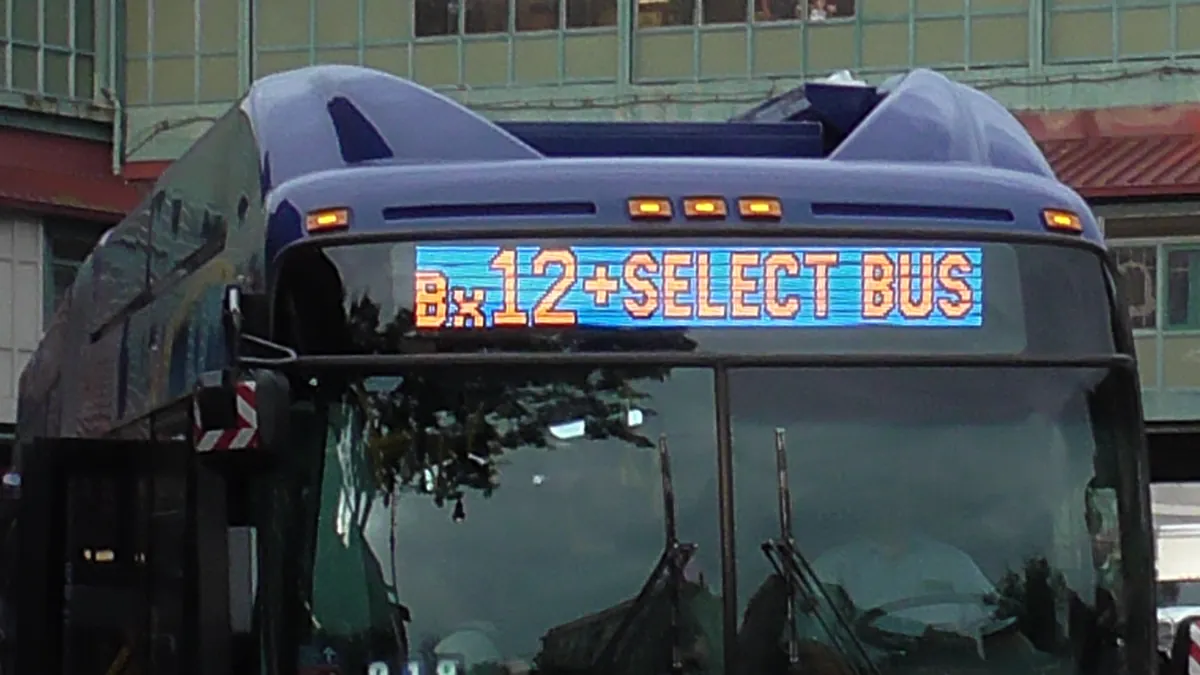
Bx1, Bx2, Bx12 and Bx12 Select Bus Service, Bx15, Bx41 and other Bx routes except the Bx23
- Notice of claim under GML 50-e within 90 days, served on the correct transit defendant (MaBSTOA is a separate corporation)
- At least 30 days before suit
- One year and 90 days generally (PAL 1212(2)), but one year for negligent operation of an authority vehicle (1212(4)): have the date calculated
PAL 1203-a(6) applies PAL 1212 to MaBSTOA.
MTA Bus Company (MTA subsidiary) · personal-injury claims
Bx23, Q50 and BxM express
Bx23, Q50; BxM1–BxM4, BxM6–BxM11, BxM18 express to Manhattan
- Personal-injury claims: no statutory notice of claim (PAL 1276(6)), but the claim must be presented
- At least 30 days after presentment before suit
- Lawsuit within one year and 90 days after the claim accrues
PAL 1276(6): the notice requirement does not apply to subsidiaries; the rest of the section does.
Both paths above are for ordinary personal-injury claims. A private company sued alone (charter, intercity, contracted school buses) ordinarily requires no statutory municipal notice and is generally sued within three years (CPLR 214(5)). City-owned vehicles go through the NYC Comptroller, which does not substitute for a notice to a transit authority.
Wrongful death is different. Against public authorities and public benefit corporations, a wrongful death action needs a notice of claim and must be started within two years of the death (PAL 2980, 2981); the 90-day notice period runs from the appointment of the estate representative (GML 50-e). Against other defendants, generally two years from death (EPTL 5-4.1).
Exceptions and tolls — for example a court's permission to serve a late notice under GML 50-e(5), or rules for minors and people under a disability — can change these dates. Have a lawyer calculate the deadline for your claim and defendant rather than relying on a general rule.
Bronx corridors
Examples of Bronx bus routes
Busy boarding points, turning buses and double-parked trucks put riders and pedestrians in the same space.
- Bx1, Bx2
- Grand Concourse, from Mott Haven north toward Riverdale and Kingsbridge Heights
- Bx12 and Select Bus Service
- Fordham Road and Pelham Parkway, between Inwood and Co-op City
- Bx15
- Third Avenue, between The Hub at 149th Street and Fordham Plaza
- Bx41 and Select Bus Service
- Melrose and Webster Avenues, from The Hub to Williamsbridge
- BxM express
- To Manhattan; the BxM1 via the Henry Hudson Parkway and the BxM2 via the Major Deegan
Passengers
Hurt on board without a crash
Bus operators owe riders reasonable care under the circumstances (Bethel v NYCTA, 1998). A fall caused by braking requires proof of a jerk or lurch that was "unusual or violent" (Urquhart v NYCTA, 1995); door and boarding injuries turn on what the operator saw and did.
On the street
Pedestrians, cyclists and drivers
People struck by a turning bus or a bus leaving a stop have the same operator-first deadlines. See Bronx pedestrian accidents and the no-fault and PIP guide; amended serious-injury rules apply to actions commenced on or after May 26, 2026 (DFS Circular Letter No. 3).
Evidence to ask for early
- Route, bus number, direction, cross street and time
- Interior and exterior bus video and the bus's event data
- OMNY tap or fare record placing you on the bus
- Storefront and traffic-camera video along the corridor
- NYPD collision report and any MTA complaint number
- Names of riders and bystanders who saw it
Published firm result
A municipal bus case
This published settlement involved a municipal bus. The record does not identify the borough or county where the crash happened, and it is not offered as a prediction for any other case.
Prior results do not guarantee a similar outcome. Every case depends on its own facts.
See the full verdicts and settlements archive$250,000
$250,000 Settlement — Municipal Bus Rear-End Collision
A municipal bus rear-ended our client, resulting in injuries that required an ablation procedure.
Bronx County
Where a Bronx case is heard
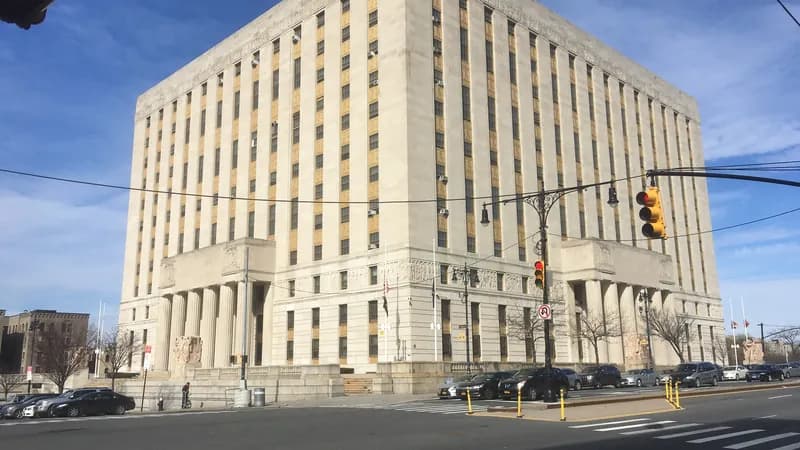
A lawsuit against the Transit Authority over a Bronx accident is tried in Bronx County (CPLR 505(b)), at Supreme Court, 851 Grand Concourse.
For serious injuries, the State Health Department lists NYC Health + Hospitals/Jacobi and NYC Health + Hospitals/Lincoln as adult Level I trauma centers and SBH Health System as Level II (DOH list). Montefiore and BronxCare are among the borough's other hospitals; records from wherever you were treated are part of the claim.
We represent clients throughout the Bronx, including Mott Haven, Melrose, Highbridge, Fordham, Belmont, Kingsbridge, Riverdale, Parkchester, Pelham Bay, Morris Park, Throggs Neck and Co-op City. See also our Bronx location page.
Related
Other bus pages and guides
Questions
Bronx bus accident questions
Get medical care, then record the route and bus number, the direction of travel, the nearest cross street and the time. Photograph the bus, the scene and your injuries, get witness names, and keep the NYPD report or MTA complaint number. If you have an auto policy, report the injury for no-fault benefits. Before giving a recorded statement, find out who operated the bus, because that decides the deadline.
For personal-injury claims involving most Bronx local buses, yes. Bx routes are run by MaBSTOA, a subsidiary of the New York City Transit Authority but a separate corporation, so the notice of claim under General Municipal Law 50-e must be served within 90 days on the correct transit defendant; a notice to the City Comptroller does not substitute. The Bx23, the Q50 and the BxM express buses are run by MTA Bus Company, an MTA subsidiary: for personal-injury claims Public Authorities Law 1276(6) removes the notice-of-claim requirement, but the claim must be presented and 30 days must pass before suit. Wrongful death claims follow separate rules: against a public authority or public benefit corporation a notice of claim is required and suit is due within two years of death (PAL 2980, 2981), with the 90-day notice period running from the appointment of the estate representative.
Examples include the Bx1 and Bx2 on the Grand Concourse, the Bx12 and its Select Bus Service on Fordham Road and Pelham Parkway, the Bx15 on Third Avenue, and the Bx41 on Webster Avenue. Express buses to Manhattan carry BxM route names; the BxM1 uses the Henry Hudson Parkway and the BxM2 the Major Deegan. Local Bx routes other than the Bx23 are MaBSTOA; the Bx23, Q50 and BxM routes are MTA Bus Company.
For ordinary personal-injury claims: against NYC Transit or MaBSTOA, after the notice of claim and a 30-day waiting period, the time is short. PAL 1212(2) sets one year and 90 days for tort actions generally, but PAL 1212(4), which covers negligence in operating an authority vehicle, says one year after the claim accrues, so some transit claims may have a one-year limit; have a lawyer calculate the date rather than relying on one year and 90 days. Against MTA Bus Company, one year and 90 days after the claim accrues, after presentment and 30 days. Against a private bus company sued alone, generally three years. Wrongful death claims follow separate rules: against a public authority or public benefit corporation a notice of claim is required and suit is due within two years of death (PAL 2980, 2981), with the 90-day notice period running from the appointment of the estate representative. Exceptions and tolls can change these dates.
Yes. A collision is not required. New York bus operators owe passengers reasonable care under the circumstances; the Court of Appeals replaced the older "highest degree of care" rule in Bethel v New York City Transit Authority (1998). For a fall caused by braking, the passenger must show a jerk or lurch that was "unusual or violent," proven by more than calling it that (Urquhart v New York City Transit Authority, 1995). Bus video, the bus's data and other passengers' accounts are often the proof. Door, boarding and slippery-floor injuries turn on what the operator saw and did.
Often. School buses are frequently run by private contractors, which are sued under the ordinary three-year rule, while ordinary injury claims against a public defendant can require a notice of claim within 90 days. Identify and serve the correct defendant; service on the City does not automatically serve the Department of Education. Drivers who pass a stopped school bus with its red lights on break Vehicle and Traffic Law 1174, which can help prove fault when a child is struck.
A lawsuit against the Transit Authority over a Bronx accident is tried in Bronx County (CPLR 505(b)), where Supreme Court sits at 851 Grand Concourse. The State Health Department lists NYC Health + Hospitals/Jacobi and NYC Health + Hospitals/Lincoln as adult Level I trauma centers in the Bronx and SBH Health System as Level II.
No. The consultation is free, and in personal injury cases there is no fee unless there is a recovery. Call (516) 227-2662 or use the consultation form.
Have your Bronx bus deadline checked
Tell us the route, the bus number if you have it, and what happened. We will help identify the operator and the notice and filing deadlines. Free consultation; no fee unless there is a recovery.
What to bring
- Route, bus number and time
- Photos and witness names
- Police report or MTA complaint number
- Medical records and no-fault paperwork
Photo credits: Bx12 Select Bus Service bus by RCD9872, CC BY-SA 4.0, cropped and resized.