

Bus Accidents (New Jersey)
New Jersey Bus Accident Lawyer
Who ran the bus decides the first deadline. For NJ Transit and other public operators, a written notice of claim must reach that agency within 90 days after the claim accrues. A private coach is pursued like any other company, and its passengers may have no-fault medical benefits.
Over 40 years of experience. Free consultation; no fee unless there is a recovery.

Who ran the bus?
- NJ Transit bus
- Public entity. Written notice to NJ Transit itself within 90 days of accrual; suit six months after it is received and generally within two years (minors, incapacity and court-allowed late notice can change this). Drivers owe the common-carrier standard of utmost caution.
- N.J.S.A. 59:8-8; Maison (2021)
- Municipal or county bus, paratransit
- A town, county or authority may be a public entity: the same 90-day notice, to that entity.
- N.J.S.A. 59:1-3, 59:8-7
- School bus
- District-run: public-entity notice to the district. Private contractor: ordinary two-year claim. School buses are outside the private-bus medical benefit rule.
- N.J.S.A. 59:1-3; 17:28-1.5
- Charter, commuter, casino or church coach
- Private company: lawsuit generally within two years. Passengers on buses within the statute may receive medical benefits up to $250,000 regardless of fault.
- N.J.S.A. 2A:14-2; 17:28-1.6
- Another vehicle hit the bus
- Claim against that driver, generally within two years; PIP and any lawsuit limitation may apply depending on your policy and the vehicle. Keep any claim against a public bus operator open with a timely notice.
- N.J.S.A. 39:6A-4, 39:6A-8
Tort Claims Act
What a notice of claim against NJ Transit must contain
The statute lists what the written claim must include (N.J.S.A. 59:8-4). We prepare it, deliver it to NJ Transit itself and keep proof of the date it was received.
- Your name and mailing address.
- The address where notices should be sent.
- The date, place and circumstances of the accident.
- A general description of the injury or loss, as known so far.
- The names of the public entity and any employees involved, if known.
- The amount claimed, including estimated future losses, and how it was calculated.
Where claims go wrong
- Wrong agency. In an unpublished 2022 decision, a notice sent to the State Treasury instead of NJ Transit did not count, and the case was dismissed.
- A police report is not notice. The same court said a police report of the crash did not tell NJ Transit that the injured driver intended to sue.
- Late notice. Allowed only by a judge, within one year, for extraordinary circumstances and without substantial prejudice (N.J.S.A. 59:8-9).
- Damages limits. No punitive damages, and pain and suffering only for a permanent loss of a bodily function, permanent disfigurement or dismemberment with medical expenses over $3,600 (N.J.S.A. 59:9-2).
The carrier's duty
Bus operators owe passengers the utmost caution
New Jersey holds common carriers, buses included, to a high degree of care: the caution of a very careful and prudent person. In 2021 the state Supreme Court held that NJ Transit and its bus drivers owe that same standard even though NJ Transit is a public entity (Maison v. N.J. Transit).
- Starting and stopping. A violent stop, jerk or lurch that would not have happened with proper care supports an inference of negligence.
- Other passengers. The carrier must protect riders from wrongful acts of fellow passengers if the utmost care could have prevented them.
- Riders with disabilities. A driver who knows a boarding passenger has a physical disability owes even greater attention.
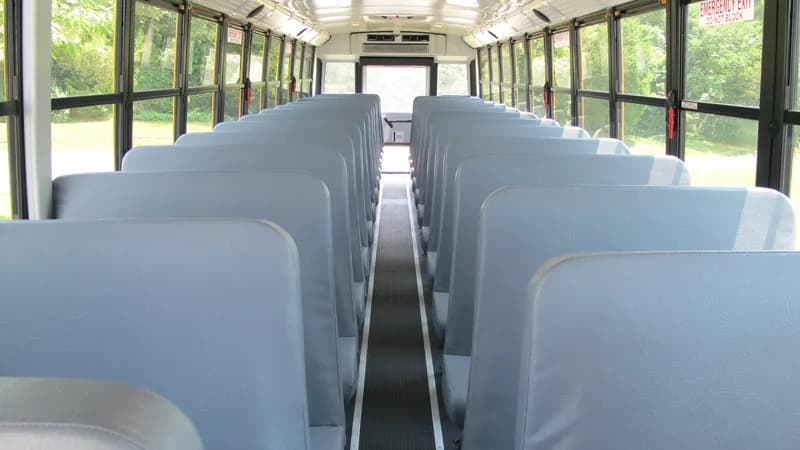
School buses. A district-run bus may bring the 90-day public-entity notice into play; a private contractor is pursued like any other company. Children generally have until after they turn 18 to sue, but the bus video and route records should be requested right away.
Bus Incident File Review
We Preserve the Transit Records Before They Disappear
Bus cases turn on records held by a public agency, a school district or a private carrier. We identify the operator and the notice deadline first, then request the video and documents.
- Notice and agency file
- Tort Claims Act notices, incident reports, route and run information and preservation requests are tracked from the start.
- Video and witness proof
- Passenger accounts, onboard and street camera footage, stop timing and vehicle data help reconstruct how the injury happened.
Hurt on an NJ Transit or school bus? The 90-day notice is the first deadline. Call us before it runs.
After the crash
What to Do After a Bus Accident
Get medical care. Call 911 or see a doctor the same day, and tell them you were hurt on or by a bus.
Record the bus details. Route number, the bus number painted on the vehicle, the stop, the time, and photos of the bus, the scene and your injuries.
Get witness names. Other passengers and people at the stop often leave before police finish.
Ask for the police report. Note the report number and the officer’s name; it is evidence but not a notice of claim.
Calendar the notice. For NJ Transit or another public operator, the written notice of claim must reach that entity within 90 days after the claim accrues.
Be careful with statements. Before giving a recorded statement or signing forms for the operator or an insurer, let us review them.
Driving a car the bus hit? See New Jersey auto accidents for PIP and the tort option. Struck while walking? See pedestrian accidents. If someone died, see New Jersey wrongful death. If it happened in New York, see our New York bus accident page.
Published result
Bus accident result
These are the firm's published bus accident results, quoted exactly as recorded; they are firmwide results. This record does not name a state or the bus operator, and it is not identified as an NJ Transit result. They are not a prediction for any other case.
Prior results do not guarantee a similar outcome. Every case depends on its own facts.
See the full verdicts and settlements archive$250,000
$250,000 Settlement — Municipal Bus Rear-End Collision
A municipal bus rear-ended our client, resulting in injuries that required an ablation procedure.
Questions
New Jersey Bus Accident FAQs
NJ Transit operates bus service in and around Passaic County, including Paterson, Clifton, Passaic, Wayne, Woodland Park, Little Falls, Totowa and Haledon. Routes and stops change, so we confirm them from NJ Transit’s own records rather than a list. For a claim, write down the route number, the bus number painted on the vehicle, the stop and the time. Those details identify the driver, the onboard video and the agency that must receive the notice of claim.
Yes. NJ Transit is a public entity, and its bus drivers are held to the same high standard of care as other common carriers (Maison v. N.J. Transit, 2021). The Tort Claims Act still controls: a written notice of claim must reach NJ Transit within 90 days after the claim accrues, suit may follow six months after it is received and is generally due within two years of accrual, punitive damages are unavailable, and pain and suffering requires a serious permanent injury.
The Tort Claims Act (N.J.S.A. 59:1-1 et seq.) governs claims against public entities such as NJ Transit and school districts. A written claim with the listed details is due within 90 days of accrual; suit may follow six months after it is received and is generally barred two years after accrual. Minors and people who lack capacity can sue later, and a judge may allow late notice within one year. Damages are limited and some immunities may apply.
The notice of claim must be filed with NJ Transit itself within 90 days after the claim accrues. A judge may allow a late notice within one year only for extraordinary circumstances and if NJ Transit was not substantially prejudiced. After NJ Transit receives the notice, you must wait six months before suing, and the lawsuit generally must be filed within two years of accrual; children and people who lack capacity may have more time. A police report is not a notice of claim.
Against a private bus company or another driver: medical expenses, lost earnings and earning capacity, and pain and suffering, subject to any lawsuit limitation that applies to you and to that defendant’s vehicle. Against NJ Transit or another public entity: economic losses, but pain and suffering only for a permanent loss of a bodily function, permanent disfigurement or dismemberment with medical expenses over $3,600; no punitive damages; and benefits from other insurance are deducted.
If a school district owned and operated the bus, the district may be a public entity, so a 90-day notice of claim goes to the district. Many districts hire private bus contractors, and a contractor is generally pursued like any other company, sometimes alongside the district. A child can sue after turning 18, but evidence and notices should not wait. The private-bus medical benefit rule does not cover school buses, so we review which policy pays the medical bills.
Driver distraction or fatigue, speeding, starting or braking before passengers are settled, poor maintenance such as brake or tire failures, inadequate training, other drivers cutting off or rear-ending buses, unsafe stops and road defects. Passengers are also hurt boarding, leaving, or falling in the aisle when the bus lurches. Under New Jersey’s carrier rules, a violent stop or jerk that would not have happened with proper care can support an inference of negligence.
Ambulance crews choose the hospital based on the injuries. Hospitals in and near Passaic County include St. Joseph’s University Medical Center in Paterson and Chilton Medical Center in Pompton Plains. For the claim, what matters is that the emergency record mentions the bus crash and every complaint, and that follow-up care is documented. We collect the ambulance, emergency and follow-up records for you.
Yes. A passenger can claim against the bus operator, against any other driver who caused the crash, and against a manufacturer if a defect played a part. A carrier must use a high degree of care in starting and stopping, and must protect passengers from foreseeable harm by other passengers when the utmost care could have prevented it. Passengers on private coaches may also have no-fault medical benefits through the bus company’s coverage.
Then the claim is mainly against that driver, generally within two years, and a lawsuit limitation may restrict a pain-and-suffering claim depending on your policy and the vehicle involved. If the bus driver also contributed, for example by stopping abruptly or being distracted, NJ Transit or the bus company may share responsibility. For a public operator, file the 90-day notice anyway so that claim stays open while fault is sorted out.
With the police report, the route, run and bus numbers, onboard and street video, the driver’s records, maintenance and inspection files, passenger and witness statements and, where needed, a reconstruction expert. Preservation requests should go out early: to NJ Transit with the notice of claim, and to a private carrier by letter. Because carriers owe passengers the utmost caution, an avoidable jolt or a missed threat on board can matter.
Back to the New Jersey personal injury overview.
New Jersey office: 696 Palisade Avenue, Teaneck, NJ 07666 · 908-667-0077 · directions and hours
Talk to a New Jersey Bus Accident Lawyer
We will identify the operator, calculate the notice deadline and send the preservation requests. Free consultation; no fee unless there is a recovery.
What to bring
- The date, time, route number and bus number
- Photos of the bus, the scene and your injuries
- The police report number and witness names
- Medical records, bills and your auto insurance card
Related
New Jersey crash and fatal-injury guides
Photo credits: Newark Penn Station by ajay_suresh, CC BY 4.0, cropped and resized; School bus interior by Bill McChesney, CC BY 2.0, cropped and resized.