

Health care litigation · civil RICO
No-Fault RICO Defense
In no-fault practice, a RICO lawsuit is usually a civil suit an insurer files in federal court against providers and the people it says control them.
It asks for money and, often, a ruling that pending bills need not be paid. Allegations in the complaint are not findings.
What a RICO lawsuit is
A federal statute with a civil remedy
The Racketeer Influenced and Corrupt Organizations Act makes it unlawful for a person associated with an enterprise engaged in, or affecting, interstate or foreign commerce to conduct or participate in its affairs through a pattern of racketeering activity, or to conspire to do so (18 U.S.C. 1962(c), (d)). Racketeering activity includes mail fraud and wire fraud, and a pattern requires at least two acts, the last within ten years of a prior one (1961(1), (5)); two acts alone are not enough, because the acts must be related and show continuity (H.J. Inc. v. Northwestern Bell). In no-fault suits, the alleged acts are usually bills sent by mail or electronically.
New York no-fault rules for health care providers as of October 12, 2026. This is general information, not advice on a particular claim; the dates on your own bills and letters decide which rule applies.
This page describes civil lawsuits that insurers bring. It is not information about criminal investigations or charges; if you are contacted by law enforcement or receive a grand jury subpoena or search warrant, speak with criminal defense counsel.
What the complaint asks for
Three requests, three different effects
- Money for bills already paid
- Threefold damages, costs and attorney’s fees under RICO (1964(c)), usually alongside fraud and unjust enrichment claims, which the Court of Appeals has said remain available even where services were necessary (Mayzenberg).
- A declaration about bills not yet paid
- A ruling that the insurer owes nothing on pending claims (28 U.S.C. 2201). This is what ties the lawsuit to your collection suits and arbitrations.
- A pause on your collection cases
- An order staying pending collection suits and barring new ones while the RICO claims are decided. The Second Circuit affirmed one in GEICO v. Patel (February 3, 2026), following Tri-Borough (2024). It depends on the record.
Allegation, rule, finding
Keep three things apart
1 · Allegation
The complaint says what the insurer claims: unnecessary treatment, control by unlicensed people, referral payments. It proves nothing by being filed.
2 · Eligibility rule
Foundational licensing failures, control by unlicensed people, or a suspended, revoked or annulled licence make a provider ineligible under 65-3.16(a)(12); alleged misconduct short of that does not by itself (Mayzenberg; compliance).
3 · Finding
Allegations must be proved, or otherwise validly adjudicated, before they bind anyone. Being sued is not a finding of wrongdoing.
First steps after service
What to do this week
- Calendar the response deadline stated in the summons.
- Preserve records as they are; do not alter, back-date or discard anything.
- List every pending arbitration and collection suit against that insurer.
- Collect EUO requests and transcripts and the insurer’s verification letters.
- Route questions from the insurer or its lawyers through counsel.
Who we are
We represent health care providers on the no-fault claims these lawsuits target, in arbitration and in court. Robert M. Bott, our Managing No-Fault Attorney, represents medical providers at insurers’ examinations under oath and is admitted in the United States District Courts for the Southern and Eastern Districts of New York.
Related: EUO representation, healthcare litigation support and health care litigation.
Questions
Questions about RICO lawsuits
RICO, the federal Racketeer Influenced and Corrupt Organizations Act, makes it unlawful to conduct the affairs of an enterprise affecting interstate or foreign commerce through a pattern of racketeering activity, which includes mail and wire fraud. A person injured in business or property by reason of a violation can sue for three times its damages. No-fault insurers use that civil remedy to sue providers and the people they say control them, alleging that bills sent by mail or electronically were fraudulent.
If it proves its RICO claim, three times the damages it sustained, plus the cost of the suit including a reasonable attorney’s fee (18 U.S.C. 1964(c)). Insurers usually add state-law claims such as fraud and unjust enrichment, and ask the court to declare that they owe nothing on pending unpaid bills. What a court actually awards depends on what the insurer proves.
As soon as you are served, and earlier if you learn a complaint has been filed. The summons states the deadline to respond, and the complaint usually affects arbitrations and collection suits you already have pending against that insurer. A run of EUO requests or eligibility denials from one insurer can come before a lawsuit; that is a good time to review the practice’s records with counsel.
A civil RICO lawsuit is brought by a private party, here an insurer, seeking money damages and court orders; the defendant answers it like any federal civil case. A criminal RICO case is brought by federal prosecutors through an indictment and can lead to criminal penalties. The same statute defines the conduct, but the process, the stakes and the lawyers needed are different. This page covers civil suits.
A civil complaint does not suspend a licence; licensing consequences come from the licensing authorities. But the insurer will usually refuse to pay pending bills and may ask the court to pause your collection suits and arbitrations against it. New bills remain subject to the usual timing, verification and fee-schedule rules. Decide with counsel how to handle new bills to that insurer while the case is pending.
Under 1962(c): an enterprise affecting interstate or foreign commerce; that the defendant conducted or participated in its affairs; through a pattern of racketeering activity, such as mail or wire fraud. Two predicate acts within ten years are the minimum, not enough alone: they must be related and show continuity (H.J. Inc. v. Northwestern Bell, 1989). The insurer must also show injury to its business or property by reason of the violation. Conspiracy under 1962(d) requires an agreement.
There is no standard length. The stages are: the complaint and your response, often a motion to dismiss; motions about pending collection suits and arbitrations; discovery of records, testimony and claim data; summary judgment motions; then settlement or trial. Each stage has its own deadlines set by the rules and the court.
The statute reaches any person employed by or associated with the enterprise who conducts or participates in its affairs through the pattern, and anyone who conspires to do so. Complaints often name the professional corporations, the licensed owners, people the insurer says actually control them, and unnamed defendants. Being named is an allegation, not a finding.
It can ask, and federal courts have granted such requests on the records before them. In GEICO v. Patel, decided February 3, 2026, the Second Circuit affirmed a preliminary injunction that stayed a provider’s pending state collection suits and barred new ones until GEICO’s RICO claims were decided, following its 2024 Tri-Borough decision. Whether a stay is granted depends on the facts and the court’s findings.
Sources: 18 U.S.C. 1961, 1962, 1964; 28 U.S.C. 2201; GEICO v. Patel (2d Cir. 2026); H.J. Inc. v. Northwestern Bell, 492 U.S. 229 (1989); Government Employees Ins. Co. v Mayzenberg (2025); 11 NYCRR 65-3.16.
Served with an insurer’s RICO complaint?
Send us the complaint and a list of your pending claims against that insurer. We will go through what it asks for and how it affects those claims. The consultation is free.
What to bring
- The summons and complaint
- Pending arbitrations and suits against the insurer
- EUO requests and transcripts
- Licences and ownership records
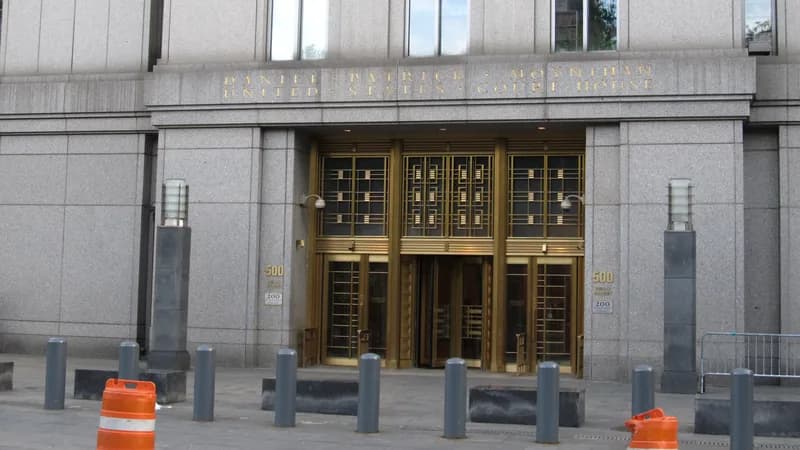
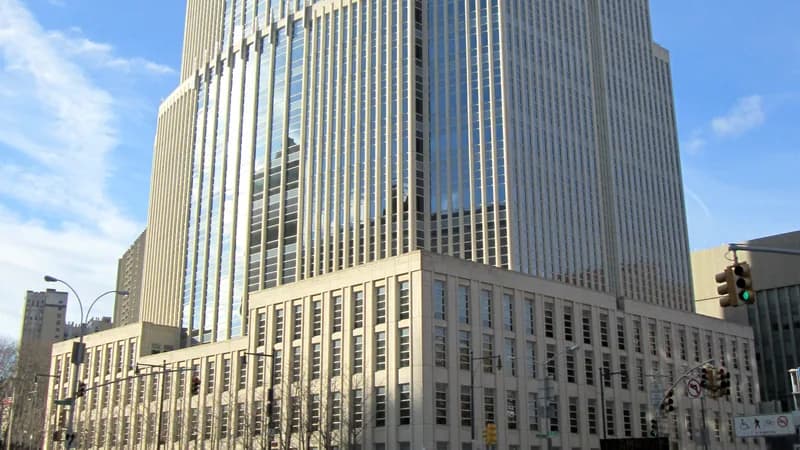
Photo credits: Daniel Patrick Moynihan U.S. Courthouse by Ken Lund, CC BY-SA 2.0, cropped and resized; Theodore Roosevelt U.S. Courthouse by Beyond My Ken, CC BY-SA 4.0, cropped and resized.