

Health care litigation · for providers
EUO Representation for No-Fault Providers
An examination under oath is sworn, transcribed questioning that a no-fault insurer may require to verify a claim.
The request must rest on objective standards at a reasonably convenient time and place; the provider attends and answers truthfully.
The EUO sequence
From the request to the insurer’s decision
The no-fault endorsement lets an insurer require examinations under oath “as may reasonably be required”, and makes full compliance a condition of any action (65-1.1). The regulation then sets when and how the request is made.
1.Claim and verification forms reach the insurer
Day 0
The bill and any prescribed forms start the verification period.
2.Request for an EUO as additional verification
Within 15 business days
Additional verification is to be requested within 15 business days of receiving the verification forms (65-3.5(b)).
3.Standards for the request
At scheduling
Objective standards with specific objective justification; a reasonably convenient time and place; notice that lost earnings and reasonable transportation will be reimbursed (65-3.5(e)).
4.Follow-up if verification is outstanding
30 days, then 10 days
If requested verification has not been supplied 30 calendar days after the request, the insurer follows up within 10 calendar days and says in writing what is missing (65-3.6(b)).
5.The examination
Day it is held
Sworn, recorded and subscribed. The verification is deemed received that day (65-3.8(a)(1)).
6.Pay or deny
Once all verification is in
The insurer pays or denies within 30 calendar days after proof of claim, which includes all relevant verification requested, not only the EUO (65-3.8(a)(1), (c)).
- Not the 120-day rule. The 120-day period for verification does not apply to EUO or medical examination requests or prescribed NF forms (65-3.5(o)).
- Technical slips do not cancel it. An insurer’s immaterial defect or missed time frame does not by itself end the obligation to comply (65-3.5(p)); whether a request was proper is argued later, on the dates.
New York no-fault rules for health care providers as of October 12, 2026. This is general information, not advice on a particular claim; the dates on your own bills and letters decide which rule applies.
Preparing truthfully
Before, at and after the examination
Good preparation means knowing your own records and answering accurately. It never means rehearsing answers that are not your own or holding back what you know.

Before
- Note the date, place, claims listed and documents requested.
- If the time or place is not reasonably convenient, ask in writing for another.
- Gather records you control and review them with counsel.
- Keep a copy of every notice and letter.
At the examination
- Answer truthfully and only from what you know.
- Say when you do not know or do not remember; do not guess.
- Ask for a question to be repeated if it is unclear.
- Your attorney can state objections on the record.
After
- Watch for the decision: 30 days once all requested verification is in.
- If denied, request any report relied on and see denied benefits.
- Tell your attorney if an answer needs correcting.
- Keep the claim file ready (claim-file checklist).
Who handles provider EUOs
Provider EUO representation
EUOs sometimes come before an eligibility question (compliance) or a lawsuit (no-fault RICO defense); unpaid bills afterwards go to arbitration or court. See health care litigation for the full picture.
Managing No-Fault Attorney. Represents medical providers in the New York courts, before the American Arbitration Association and in NJ Forthright forums, including at insurers’ examinations under oath.
Questions
Questions about examinations under oath
An EUO is sworn questioning by the insurer’s representative, recorded and transcribed, which the insurer may require as verification of a claim. The no-fault endorsement says the injured person or the assignee shall submit to EUOs “as may reasonably be required” and makes full compliance a condition of suing. So yes, a properly requested EUO should be attended. The request must rest on objective standards, at a reasonably convenient time and place.
No rule lists them. Questions usually follow the reasons for the request and the claims at issue: your licences and role, who owns and runs the practice, how patients come to it, the treatment billed, who prepares and sends bills, and the records behind them. Expect to be asked about documents you were asked to bring. Answer from your own knowledge and records.
Read the request: date, place, the claims it covers and any documents asked for. If the time or place is not reasonably convenient, say so in writing early. Gather the records you control and review them with counsel so you know what they show. Preparation is about accuracy, not scripting: your answers must be your own and true.
Refusing proper questions risks being treated as not complying with the EUO, which is a condition of coverage. Whether a particular question is proper depends on the claims and the stated reasons for the examination; your attorney can note an objection on the record. Never answer falsely. If you do not know or do not remember, say so rather than guessing.
The EUO counts as verification received on the day it is held. The insurer’s 30 calendar days to pay or deny run once it has all the relevant verification it properly requested, so other outstanding requests can still hold the clock. If it denies, the denial states its grounds, and you can ask in writing for any IME or peer review report it relies on. Disputes then go to arbitration or court.
It depends on the number of claims and the documents involved, and we discuss it at the free consultation; this page does not quote amounts. The insurer-paid attorney’s fee rules in the no-fault regulation apply to arbitrations and court actions over overdue bills.
An EUO to establish proof of claim must have specific objective justification, and questions are tied to the claims it was requested for. Requests sometimes cover several claims or patients at once, and questions about how the practice operates can bear on all of them. If a request or a line of questions goes beyond the claims it names, raise it with us before the examination.
Not appearing, or rescheduling without a written reason. Guessing instead of saying you do not know. Answers that do not match your own records. Bringing documents you have not reviewed. Treating it as informal: the testimony is sworn and transcribed. Ignoring the request until close to the date.
It may be. The transcript becomes part of the insurer’s file and can be offered in a later arbitration, court action or lawsuit about the same claims. That is a reason to prepare carefully and answer accurately, not a reason to avoid answering. If you realize an answer was wrong, tell your attorney so it can be corrected.
Note the date and place, the claims listed and any documents requested. Calendar it. If the time or place does not work, ask in writing for a reasonably convenient alternative. Gather the records you control. Call us early, so there is time to review the file with you. Keep copies of the notice and every letter about it.
No. The rule that an applicant has 120 calendar days from the first request to supply verification in its control or possession, or a written reasonable justification, expressly does not apply to examination under oath requests, medical examination requests or prescribed NF forms. EUOs follow their own scheduling and follow-up rules, and the insurer’s technical slips do not cancel the obligation to comply.
Received an EUO request?
Send us the request as soon as it arrives. We will review the claims it covers and the records with you before the date. The consultation is free.
What to bring
- The EUO request and any follow-up letters
- The claims and bills it lists
- Records you were asked to bring
- Your licence and practice ownership papers
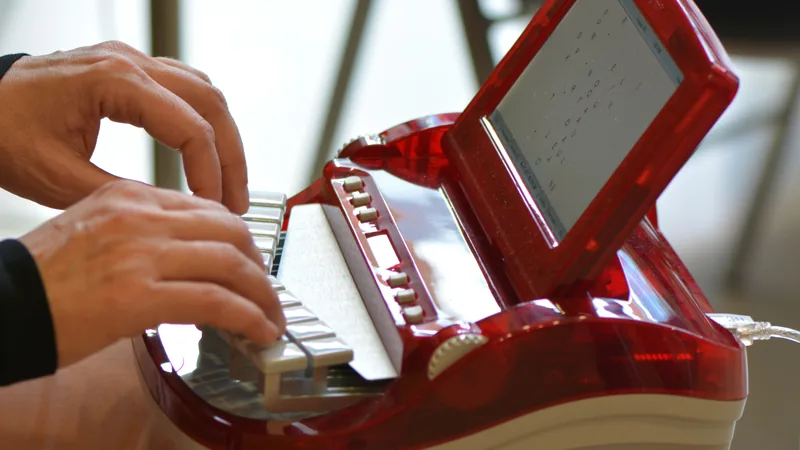
Photo credits: Stenotype machine by Lamiot, CC BY-SA 4.0, cropped and resized.