

Fire, scald, electrical and chemical burns
New York Burn Injury Lawyers
Where and how you were burned decides who pays and how fast you must act: workers' compensation and a third-party claim at work, a three-year claim against most businesses, and shorter notice rules when a city, county, town, village, the State or a public authority may be legally responsible.
Over 40 years of experience. Free consultation; no fee unless there is a recovery.
Medical terms
The words in your burn records
Hospital records describe a burn by its depth and the share of the body it covers, not by “degree”. Knowing the terms helps you read the chart and ask the right questions.
- Superficialformerly “First-degree”
- Outer layer of skin only: redness, pain, swelling.
- Partial-thicknessformerly “Second-degree”
- Outer and underlying layer: pain, redness, swelling and blistering.
- Full-thicknessformerly “Third-degree”
- Deep layers of skin: white or blackened skin that may be numb.
Terms: MedlinePlus, Burns.
Start here
Where did the burn happen?
Ordinary injury claims; tolls and exceptions can change the dates.
- At work
- Workers' compensation from your employer, plus a negligent contractor, property owner or equipment maker (WCL 29).
- First deadline: Employer notice within 30 days; compensation claim within two years (WCL 18, 28). Third-party suit generally three years.
- A product: battery, heater, appliance, container
- The manufacturer, distributor or seller. See products liability.
- First deadline: Generally three years (CPLR 214(5)). Keep the product unaltered.
- A fire or scald in a building
- An owner or manager who failed to keep the property reasonably safe; another tenant or contractor whose negligence started it.
- First deadline: Generally three years. If a city, county, town or village may be legally responsible (ownership alone is not enough), an ordinary injury claim usually needs a notice of claim within 90 days (GML 50-e). Public authorities follow their own statutes.
- A motor-vehicle crash and fire
- The other driver and owner; a manufacturer if a defect caused the fire.
- First deadline: If New York's no-fault law covers the claim, no-fault benefits come first and a suit for pain and suffering needs a serious injury, such as significant disfigurement (Insurance Law 5102(d)). Suit generally three years.
- A State building, vehicle or road
- The State, only for its own negligence.
- First deadline: File the claim in the Court of Claims and serve it on the Attorney General within 90 days, unless a timely notice of intention, served on the Attorney General within those 90 days, extends the time to file (CCA § 10(3)).
- Someone died
- The estate's personal representative brings the claim.
- First deadline: Generally two years from the death (EPTL 5-4.1); public bodies add notice rules.
Evidence
Keep the source of the burn
Burn claims are often won on physical evidence. Do not repair, throw away or return the product, battery, container, appliance or clothing. Leave fire, smoke and electrical hazards to emergency responders, and photograph what you safely can.
- Photographs of the injury on the first day and as it heals or is treated.
- The fire marshal's, police or workplace incident report number.
- Warnings, labels and instructions for the product or equipment.
- For an electrical burn at work: the equipment, who controlled it and whether it was energized.
At work, a sued contractor or owner can generally seek common-law contribution or indemnity from your employer only for listed “grave” injuries, which include permanent and severe facial disfigurement (WCL 11), or under a written indemnity agreement made before the accident. Neither lets you sue your employer directly or limits your own third-party claim.
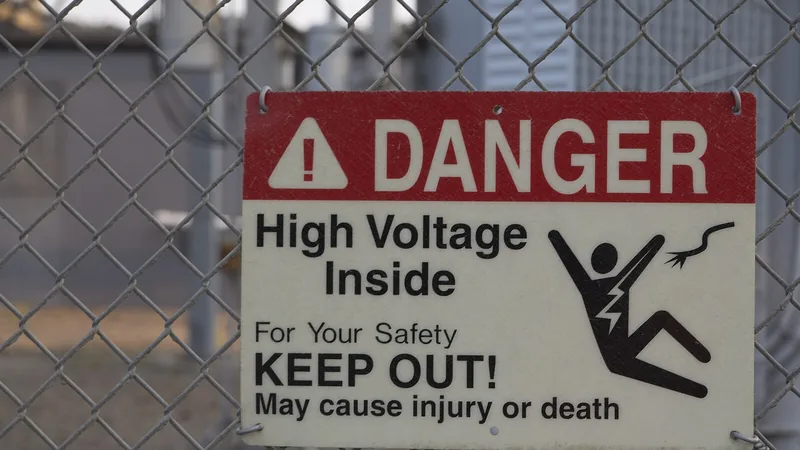
High-voltage injuries are on the burn-center referral list even when the skin looks minor.
Results
Our published results
None of the firm's published results describes a burn injury, so we do not show unrelated results under a burn heading. Over 40 years, the firm has recovered more than $100 million for clients. See the verdicts and settlements archive; prior results do not guarantee a similar outcome.
Burned in an accident?
Keep the product or equipment and call us. If a public body owns the building or vehicle, a notice can be due within 90 days.
Questions
Frequently Asked Questions About Burn Injuries
Doctors now describe depth rather than degree. Superficial burns (formerly first-degree) affect only the outer layer of skin. Partial-thickness burns (formerly second-degree) reach the layer beneath and blister. Full-thickness burns (formerly third-degree) destroy the deep layers and may be numb. Treatment depends on depth, size and location, from wound care to surgery and grafting; the American Burn Association advises burn-center care for deeper, larger and certain special burns.
Get away from the source and call 911 for anything beyond a small, superficial burn, or for any chemical, electrical or smoke exposure. Follow the dispatcher’s and doctors’ instructions. When you can, photograph the burn and the scene, keep the product, container or clothing that was involved without altering it, write down witnesses, and ask for the fire, police or incident report number. Then call us before speaking with an insurer.
A successful claim can include medical and burn-center care, surgery and later reconstructive procedures, therapy, lost earnings and earning capacity, scarring and disfigurement, and pain and suffering. In a car crash governed by the no-fault law, significant disfigurement is one of the serious-injury categories that allows a claim for pain and suffering. We do not publish value ranges; the amount depends on the injury and the proof.
Claims we see described involve building and apartment fires, scalding water or food, gas and electrical faults, workplace electrical, chemical and hot-work injuries, vehicle crashes followed by fire, and defective products such as batteries, heaters and appliances. We do not publish counts. Where it happened decides who may be responsible and which rules apply, so that is the first thing we ask.
By showing who controlled the hazard, what a careful owner, employer, landlord, driver or manufacturer would have done, that they did not, and that the failure caused the burn. The proof is usually physical and documentary: the product or equipment, the fire marshal’s or incident report, inspection and maintenance records, codes that applied to the building, photographs over time and the medical record of the injury.
Usually not directly: workers’ compensation is generally the remedy against your employer. Give your employer notice within 30 days and file a compensation claim within two years. You can also sue a negligent third party, such as a contractor or equipment maker, while receiving compensation (WCL 29). A sued third party can generally seek contribution or indemnity from your employer only for a listed “grave” injury, such as permanent and severe facial disfigurement, or under a written indemnity contract made before the accident. Neither lets you sue your employer directly.
Generally three years for an injury claim against a person or business, including a product claim. If a city, county, town, village or school district may be legally responsible, an ordinary injury claim usually needs a notice of claim within 90 days and suit within one year and 90 days. The State and public authorities follow their own rules. A work injury: 30-day employer notice and a two-year compensation claim. A death: generally two years. Some claims have other rules, so we calculate the date for your case.
The product, appliance, battery, container or equipment involved, kept unaltered; the clothing; photographs of the injury over time and of the scene; the fire marshal’s, police or incident report; witness names; inspection, repair and maintenance records; and complete burn-center, surgery and therapy records. For an electrical or chemical burn, the source and its labels or warnings matter.
There is no reliable average, and we do not publish settlement ranges. Burn claims differ in depth and size of the burn, its location, scarring, the need for future surgery, lost earnings and who is responsible. None of the firm’s published results describes a burn injury; our verdicts and settlements archive shows other results, which are not predictions.
Most injury cases resolve without a verdict, but we prepare each one as if it will be tried, because preparation sets the value. Whether to settle is your decision, made when the medical future is clear enough to price. Some claims settle in stages with different defendants. We do not publish settlement percentages; we explain the options in your case as they arise.
Burn injury? Start with where it happened
Tell us where and how you were burned. We will identify who may be responsible, the deadline that applies and the evidence to keep. Free consultation; no fee unless there is a recovery.
What to bring
- The product, container or clothing involved
- Photos of the injury and the scene
- Fire, police or incident report number
- Burn-center and medical records so far
Related pages
Related injury and accident pages
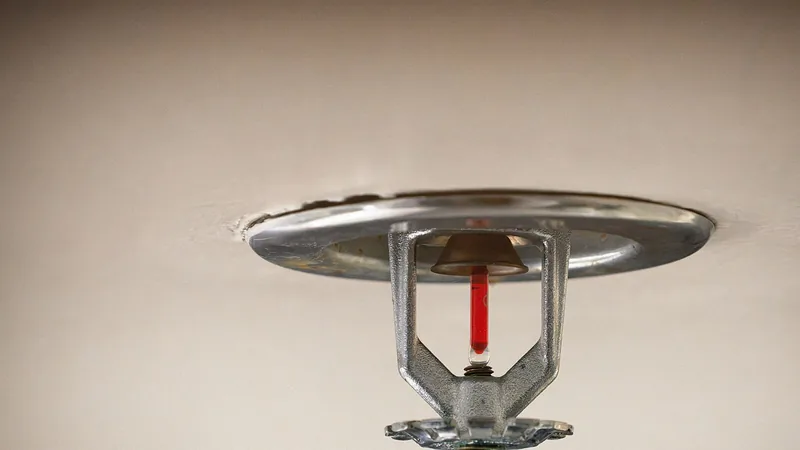
Photo credits: Fire sprinkler head by Tony Webster, CC BY-SA 4.0, cropped and resized.