
Brain Injury Lawyers
Experienced representation for victims of traumatic brain injuries, concussions, and severe head trauma. Fighting for full compensation for lifetime care.
Why Choose Our Brain Injury Lawyers?
$100M+ Recovered
Proven track record of substantial brain injury verdicts and settlements
Expert Network
Access to top neurologists, life care planners, and neuropsychologists
40+ Years Experience
Decades representing brain injury victims and their families
No Fee Unless We Win
Contingency fees mean you pay nothing upfront
Types of Brain Injuries We Handle
Traumatic Brain Injury (TBI)
Severe head trauma causing permanent cognitive, physical, and emotional impairment
Concussions
Mild TBIs from sports, falls, or accidents causing persistent symptoms
Contusions
Brain bruising from direct impact causing localized damage
Diffuse Axonal Injury
Shearing of brain tissue from rotational forces causing widespread damage
Penetrating Injuries
Objects penetrating the skull causing severe brain damage
Anoxic Brain Injury
Oxygen deprivation to the brain from medical malpractice or accidents
Coup-Contrecoup Injuries
Brain damage at impact site and opposite side from force transmission
Hematomas
Blood clots in or around the brain (epidural, subdural, intracerebral)
Second Impact Syndrome
Catastrophic injury from second concussion before first heals
Understanding Brain Injury Severity Levels
Brain injuries are classified into three severity levels based on symptoms, duration of unconsciousness, and long-term impairment. Understanding the severity level helps determine appropriate treatment, prognosis, and potential compensation.
Mild TBI (Concussion)
Symptoms:
- Brief loss of consciousness (under 30 minutes) or no loss of consciousness
- Post-traumatic amnesia less than 24 hours
- Headaches, dizziness, confusion, nausea
- Sensitivity to light and noise
- Memory and concentration problems
Recovery:
Most recover within 7-10 days to 3 months with proper rest. However, 15-30% develop post-concussion syndrome with symptoms lasting months to years.
Typical Compensation Range:
$100,000 - $500,000
Based on symptom duration, treatment needs, and impact on work/life
Moderate TBI
Symptoms:
- Loss of consciousness 30 minutes to 24 hours
- Post-traumatic amnesia 1-7 days
- Visible brain abnormalities on CT/MRI scans
- Significant cognitive, physical, and emotional deficits
- Difficulty with executive functioning, memory, attention
Recovery:
Recovery takes months to years. Many require extensive rehabilitation and have permanent impairments affecting employment, relationships, and independence.
Typical Compensation Range:
$500,000 - $3,000,000
Includes lost earnings, rehab costs, and significant life impact damages
Severe TBI
Symptoms:
- Loss of consciousness exceeding 24 hours
- Post-traumatic amnesia exceeding 7 days
- Extensive brain damage visible on imaging
- Permanent cognitive, physical, emotional, and behavioral impairment
- May result in vegetative state, minimally conscious state, or severe disability
Recovery:
Severe TBIs result in permanent disabilities requiring lifetime care. Victims typically cannot return to previous employment or live independently.
Typical Compensation Range:
$5,000,000 - $20,000,000+
Lifetime medical care, lost earnings, 24/7 attendant care, pain and suffering
Long-Term Effects of Traumatic Brain Injuries
Even after initial recovery, brain injury survivors often face lifelong challenges that impact every aspect of their lives. Understanding these long-term effects is crucial for securing adequate compensation.
Cognitive Impairments
- Memory Problems: Difficulty forming new memories, recalling information, or remembering daily tasks
- Concentration Difficulties: Inability to focus, easily distracted, reduced attention span
- Slowed Processing: Taking longer to understand information, make decisions, or respond to situations
- Executive Function Deficits: Problems with planning, organization, problem-solving, and judgment
Emotional & Behavioral Changes
- Personality Changes: Becoming more impulsive, aggressive, withdrawn, or exhibiting inappropriate behavior
- Depression & Anxiety: Persistent sadness, hopelessness, worry, or panic attacks affecting daily functioning
- Mood Swings: Rapid emotional changes, irritability, anger outbursts without apparent cause
- Social Difficulties: Trouble maintaining relationships, reading social cues, or controlling emotions in social settings
Physical Consequences
- Chronic Headaches: Persistent or recurring headaches that interfere with daily activities
- Seizures: Post-traumatic epilepsy developing months or years after injury
- Balance & Coordination Problems: Dizziness, vertigo, difficulty walking or performing fine motor tasks
- Chronic Fatigue: Persistent exhaustion that doesn't improve with rest, limiting work and activity capacity
Life Impact
- Employment Challenges: Inability to return to previous job, reduced work capacity, or complete unemployment
- Relationship Strain: Divorce, family conflicts, loss of friendships due to personality and behavioral changes
- Financial Burden: Lost income combined with mounting medical bills, therapy costs, and medication expenses
- Loss of Independence: Requiring family caregiving or professional attendant care for daily living activities
Medical record review
We Build the Brain Injury Record Before Symptoms Get Minimized
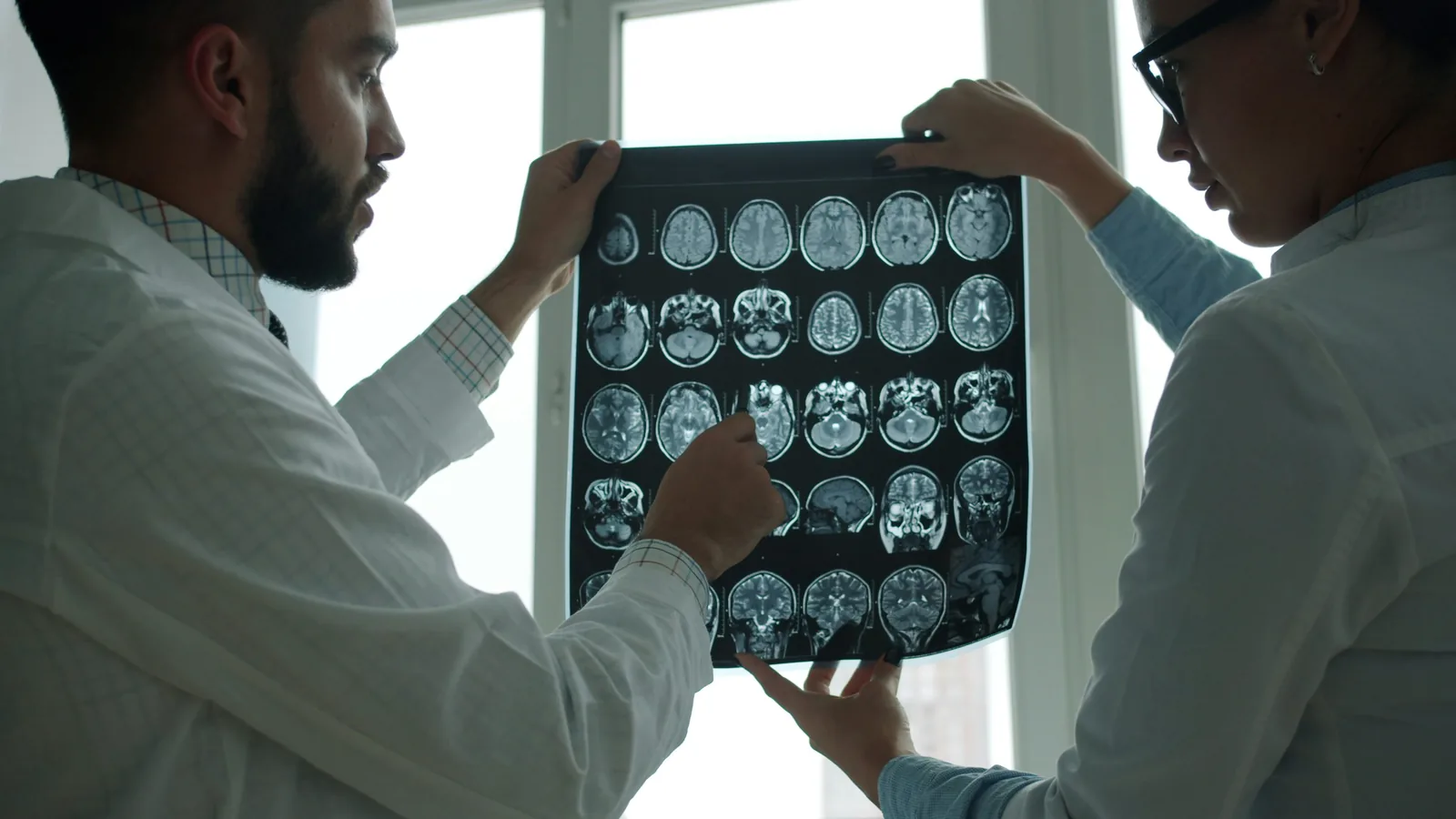
Brain injury cases often turn on details that are easy for insurers to discount: delayed symptoms, normal-looking scans, changes noticed by family, and treatment gaps created by fatigue or confusion. We organize the record so the case is not reduced to a single emergency-room note.
Imaging and specialist notes
CT, MRI, neurology, neuropsychology, and rehab records are reviewed together instead of in isolation.
Before-and-after proof
Work performance, family observations, school issues, and daily-function changes help show the real impact.
Future care mapping
Therapy, cognitive support, medication, and home-care needs are documented before settlement pressure starts.
Accident mechanics
Crash force, falls, head impact, and acceleration-deceleration evidence are preserved while memories are fresh.

Treatment and Rehabilitation for Brain Injuries
Full brain injury treatment requires a multidisciplinary approach and can span years or even a lifetime. Proper legal representation ensures you receive compensation for all these necessary treatments.
Acute Medical Treatment (First Days to Weeks)
- Emergency Care: Stabilization, CT/MRI scans, intracranial pressure monitoring
- Neurosurgery: Removing blood clots, repairing skull fractures, relieving brain swelling
- Intensive Care: Ventilator support, seizure prevention, infection control
- Medications: Anti-seizure drugs, diuretics to reduce pressure, sedatives
Long-Term Rehabilitation (Months to Years)
- Physical Therapy: Regaining strength, balance, coordination, and mobility
- Occupational Therapy: Relearning daily living skills, adaptive techniques, workplace modifications
- Speech Therapy: Addressing communication problems, swallowing difficulties, cognitive-linguistic deficits
- Cognitive Therapy: Memory strategies, attention training, problem-solving skills, executive function rehabilitation
Psychological & Emotional Support
- Neuropsychology: Assessment and treatment of cognitive and behavioral changes
- Individual Counseling: Processing emotional trauma, developing coping strategies
- Family Therapy: Helping loved ones adapt to personality and behavioral changes
- Support Groups: Connecting with other TBI survivors and caregivers
Ongoing Care Needs
- Case Management: Coordinating multiple providers, managing appointments, insurance navigation
- Vocational Rehabilitation: Job retraining, work assessment, supported employment
- Assistive Technology: Devices and software to compensate for cognitive and physical deficits
- Home Modifications: Accessibility improvements, safety adaptations, mobility equipment
The Cost of Lifetime Brain Injury Care
According to the CDC and brain injury research, the lifetime cost of care for a severe traumatic brain injury ranges from $3 million to $10 million or more, depending on the age of the victim and severity of impairment. These costs include:
- Ongoing medical treatment and monitoring
- Years of rehabilitation therapies
- 24/7 attendant care (for severe cases)
- Home modifications and assistive devices
- Lost lifetime earnings and benefits
- Family caregiver burden and loss of consortium
Our brain injury attorneys work with life care planners and economic experts to calculate the full cost of your lifetime needs and fight for compensation that truly covers your future, not just immediate medical bills.
Suffered a Brain Injury? We Can Help
Brain injuries require experienced legal representation to secure compensation for lifetime medical care, rehabilitation, and lost quality of life.
Common Causes of Brain Injuries
Auto Accidents
Learn More About Auto Accidents →Slip & Fall Accidents
Learn More About Slip & Fall Accidents →Medical Malpractice
Learn More About Medical Malpractice →Construction Accidents
Learn More About Construction Accidents →Sports Injuries
Assaults & Violence
Workplace Accidents
Learn More About Workplace Accidents →Defective Products
Learn More About Defective Products →Frequently Asked Questions About Brain Injuries
Contact Our Brain Injury Lawyers Today
When a brain injury changes your life or your loved one's life forever, you need attorneys who understand the medical complexities and will fight for full compensation.