

Pool and water safety
Summer Pool Injuries in New York: Who Is Responsible and What to Do
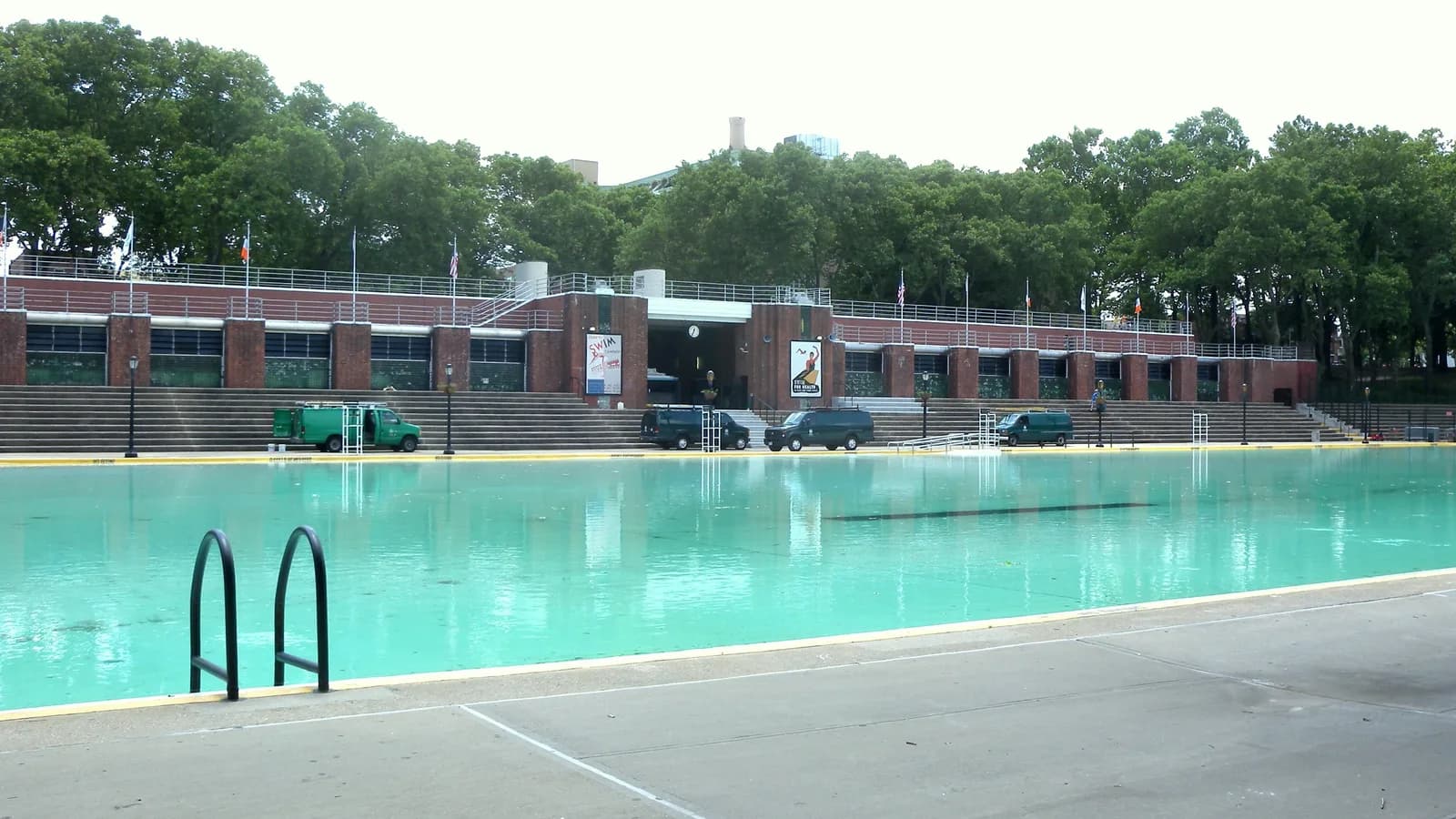
Pools are a big part of a New York summer, at backyard parties, apartment complexes, hotels and public pools. When an unsafe condition or missing supervision leads to an injury, the owner or operator may be responsible.
By Michael A. Licatesi · Published · Updated
The short answer
- In an emergency, call 911. If a child is missing, check the pool first. Enter the water to help only if you can do so safely; bystander CPR from someone trained can help before paramedics arrive.
- The owner of a private residential pool has a duty to keep it reasonably safe in view of all the circumstances, as New York's Appellate Division has explained.
- Who is responsible depends on the pool: a homeowner, a landlord or condo association, a hotel or club, a public agency, or the maker of defective equipment.
- Public pools are run by public bodies, and claims against them have short, entity-specific notice deadlines.
This guide explains general New York rules. It is not legal advice about a specific incident.
Common pool injuries
Pool accidents can start with something as ordinary as a wet deck. Injuries often involve:
- Slips and falls on wet or poorly maintained decks, stairs and ladders
- Diving injuries in water that is too shallow or has hidden obstructions
- Cuts from broken tiles, damaged edges or exposed equipment
- Chemical burns or breathing problems from improperly handled pool chemicals
- Suction entrapment at drains and other equipment hazards
- Nonfatal and fatal drowning, especially where supervision, barriers or rescue equipment were missing
Many of these come down to the same causes: inadequate maintenance, missing supervision, slippery surfaces, damaged equipment and gates or barriers that do not keep children out.
Who may be responsible, by type of pool
Backyard pool
Who may be responsible The homeowner, and possibly the host if different
Questions that usually matter Were the deck, ladder and water depth reasonably safe, and were gates or barriers secure?
Apartment building, condo or HOA pool
Who may be responsible The owner, the association or a management company
Questions that usually matter Who controlled maintenance and staffing, and were complaints ignored?
Hotel, gym, club or camp
Who may be responsible The business that runs the pool, and any contractor it hired
Questions that usually matter Were posted rules, staffing and equipment checks followed?
Public pool
Who may be responsible The city, town, county or other public body that operates it
Questions that usually matter Which entity runs the pool, and what notice deadline applies?
Defective equipment
Who may be responsible The manufacturer or seller of a drain cover, ladder, diving board or chemical system
Questions that usually matter Was the product defective or missing warnings?
| Where it happened | Who may be responsible | Questions that usually matter |
|---|---|---|
| Backyard pool | The homeowner, and possibly the host if different | Were the deck, ladder and water depth reasonably safe, and were gates or barriers secure? |
| Apartment building, condo or HOA pool | The owner, the association or a management company | Who controlled maintenance and staffing, and were complaints ignored? |
| Hotel, gym, club or camp | The business that runs the pool, and any contractor it hired | Were posted rules, staffing and equipment checks followed? |
| Public pool | The city, town, county or other public body that operates it | Which entity runs the pool, and what notice deadline applies? |
| Defective equipment | The manufacturer or seller of a drain cover, ladder, diving board or chemical system | Was the product defective or missing warnings? |
The legal standard is reasonableness, not perfection. In Grosse v Olsen (2018), the Appellate Division repeated that "the owner of a private residential swimming pool has a duty to maintain the pool in a reasonably safe condition in view of all the circumstances, including the likelihood of injury to others, the seriousness of the injury and the burden of avoiding the risk." Owners are not responsible for every accident, and a swimmer's own choices can affect a claim.
Safety rules depend on the type of pool
Pool safety expectations are not the same everywhere. Federal law requires public pools and spas to have drain grates or covers that meet safety standards, because powerful suction from a pool or spa drain can trap even an adult, as the Pool Safely campaign explains.
For pools where children may be present, federal safety agencies recommend a four-sided fence at least four feet high that fully encloses the pool, with self-closing and self-latching gates, and an adult who supervises closely and constantly (CDC; Pool Safely). Which building or health code applies depends on the type of pool and where it is, so the rules for a public pool, a hotel pool and a backyard pool can differ.
Step 1
Handle the emergency first
Call 911 for any drowning incident, head or neck injury, or loss of consciousness. Keep a phone close by when children are swimming so you can call for help quickly (Pool Safely). Get medical care for everyone who was hurt and keep the records.
Step 2
Report it and preserve what you can
- Report the incident to the pool owner, manager, hotel, club or lifeguard staff and ask for a copy of any incident report.
- Once everyone is safe, photograph the area: the deck surface, depth markings, signs, gates and any broken equipment. Do not go back into the water or onto a hazardous surface for photos.
- Get names of lifeguards, staff and witnesses, and note any cameras.
- Keep tickets, membership records, receipts or messages showing you were there.
Step 3
Know which deadline applies
A personal injury lawsuit against a private owner or business generally must be filed within three years under CPLR 214. Public pools are different: local public bodies generally require a notice of claim within 90 days under General Municipal Law 50-e, claims against the State go to the Court of Claims under Court of Claims Act 10, and some public authorities have their own statutes. See how to sue a city or public agency in New York.
Frequently asked questions
Not automatically. The owner of a private residential pool has a duty to keep it reasonably safe in view of all the circumstances. A claim depends on whether the owner failed to address a condition or risk that a reasonable owner would have addressed, and on what the injured person did.
Possibly. The building owner, association, management company or business that runs the pool may be responsible for unsafe conditions, missing barriers or inadequate supervision. The facts, and who controlled the pool, matter.
Claims against public bodies require early notice. Local public bodies generally require a notice of claim within 90 days, claims against the State go to the Court of Claims, and some public authorities have their own statutes.
Yes. If a product was defective or lacked adequate warnings, the manufacturer or seller may be responsible in addition to, or instead of, the pool owner.
Related guides
Sources
Hurt at a pool?
We can identify who controlled the pool, request incident reports and records, and protect any notice deadline. The consultation is free.