
Landlord Laws New York: Tenant Heating Rights
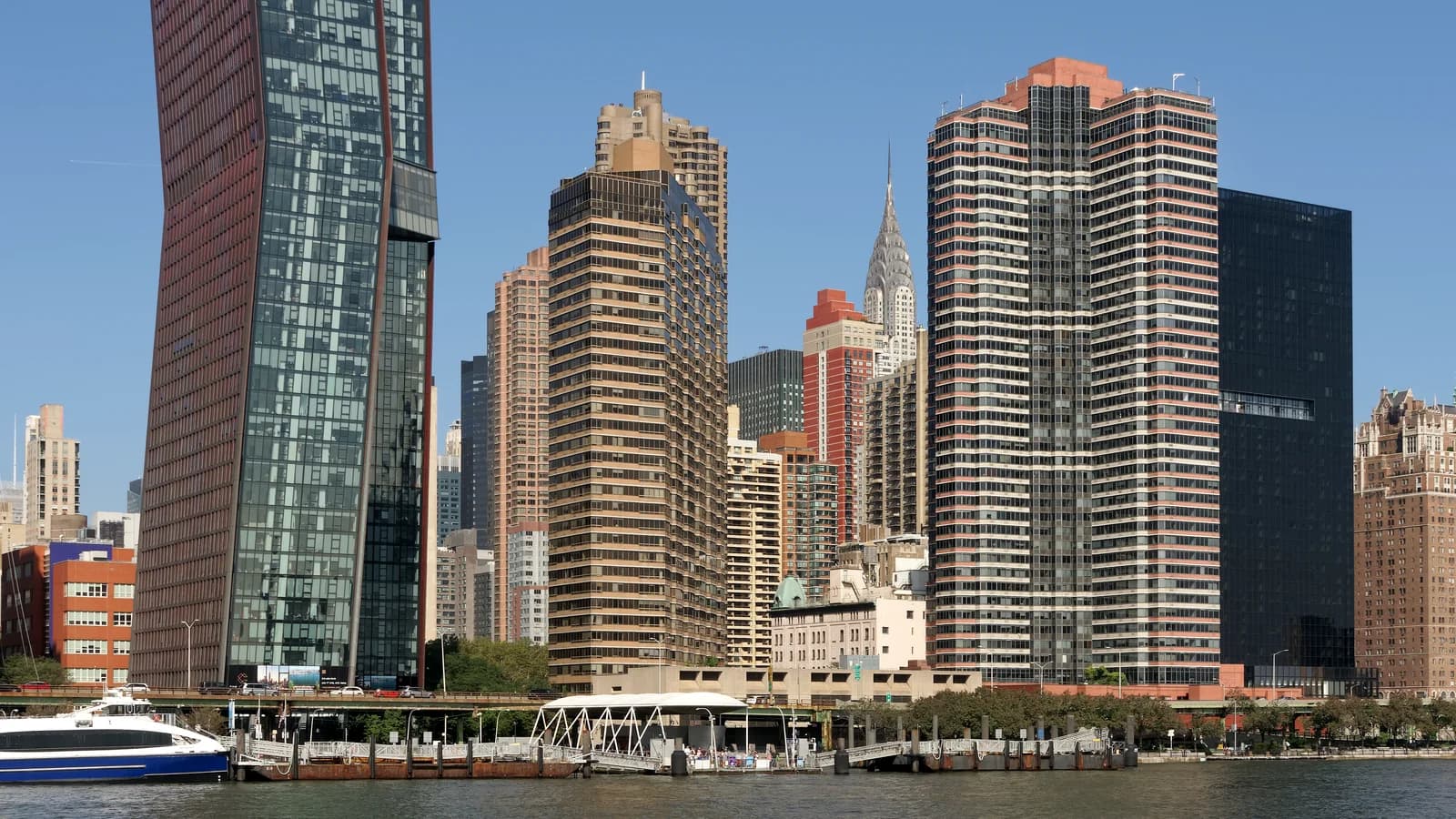
New York tenants have the right to safe, habitable housing. Understanding landlord heating requirements, repair obligations, and your documentation options can make a real difference when a heat outage, water damage, lead paint concern, or unsafe condition affects your home.
About this article
Licatesi Law Group, LLP publishes these articles to help readers understand common injury, insurance, and litigation issues in New York and New Jersey. This information is not legal advice. If you have a potential claim, speak with an attorney about the facts of your case.
Sources used for this guide
Official references and records to check
Key points
What to know before you act
New York tenants should know the basic landlord rules before a heat outage, leak, lead based paint concern, rent dispute, or unsafe condition turns into a serious problem. The strongest first step is a written record: dates, photos, notices to the landlord, agency complaint numbers, and any medical or property-damage proof.
Start here
- Put heat, hot water, mold, leaks, lead, pest, or safety complaints in writing.
- Track each landlord response, repair attempt, inspection, and rent demand.
- If the condition causes injury or makes the home unsafe, preserve photos, records, and medical documentation.
Tenant records to keep
- Lease term, renewal letters, rent receipts, and rent regulated notices
- Photos or video of heat readings, leaks, mold, pests, peeling paint, or broken locks
- Texts, emails, certified letters, 311 reports, and inspection results
- Medical records, damaged-property photos, and relocation or repair receipts
Deadline note
Heating season and emergency housing conditions move quickly. Some claims also have strict notice rules, especially when a city agency, public housing authority, or municipal property is involved.
When to call
If a landlord ignores serious conditions or a tenant is hurt because repairs were not made, a legal review can help identify the right next step.
What landlord laws in New York protect
Landlord laws New York tenants rely on are not limited to rent. They also cover habitability, heat, hot water, safe common areas, lead hazards, repairs, and what a landlord can or cannot put in a lease.
For an unsafe-apartment claim, the practical question is usually whether the landlord had notice of the condition, had enough time to respond, and failed to make the apartment or building safe. Written proof is stronger than memory alone.
Heating requirements tenants should know
These are the core landlord heating requirements New York State tenants most often need to understand. Exact rules can vary by city or housing program, but New York City heat rules are a useful baseline for many renters.
- Heat season: October 1 through May 31 in New York City.
- Daytime rule: at least 68°F inside when the outside temperature is below 55°F.
- Night rule: at least 62°F inside overnight, regardless of the outdoor temperature.
- Hot water: required year-round at a safe, usable temperature.
How to document a repair problem
A clear file helps whether the issue is heat, a dangerous stairway, water damage, lead based paint, or a rent dispute tied to repairs. Save records as the problem develops, not weeks later.
- A copy of the lease term, renewal offer, rent regulated rider, and rent increase notices
- Photos of broken heat, water damage, lead based paint hazards, pests, locks, stairs, or lighting
- Texts, emails, certified letters, 311 complaints, inspection reports, and repair dates
- Medical records, damaged-property receipts, temporary housing costs, and witness names
Common tenant-rights issues
Heat, hot water, and heating season complaints
The phrase landlord heating requirements New York State tenants search for usually starts with habitability: landlords must provide basic services and follow local heat rules. In a multiple dwelling, the record should show when heat failed, what the indoor temperature was, when the landlord was notified, and whether repairs were made.
Unsafe building conditions
Leaks, mold, broken stairs, missing handrails, bad locks, electrical hazards, rodents, and poor lighting can become more than an inconvenience when they create injury risk. A tenant should document the condition before it is repaired or painted over.
Lead based paint and older apartments
Lead based paint concerns are especially important in older housing and homes with young children. Peeling paint, dust, and prior complaints should be documented, and medical testing or inspection records should be saved if exposure is suspected.
Rent, lease, and renewal disputes
A rent regulated apartment, a sudden rent increase, or a disputed lease term may involve different rules than an unregulated market-rate apartment. Keep the lease, renewal offers, rent history, preferential-rent notices, and every written demand in one file.
If the landlord does not respond
The safest next step depends on the condition and the building. A heat outage in winter, a spreading leak, a broken entry lock, or peeling paint near a child may require faster action than a cosmetic repair. The goal is to create a record without making a rent or lease problem worse.
- 1Give the landlord written notice and keep a copy of the message or letter.
- 2Photograph the same condition over time so the duration is clear.
- 3Use 311 or the proper housing agency when the condition is urgent or ignored.
- 4Get medical care if the condition affects breathing, causes a fall, burns someone, or exposes a child to lead risk.
- 5Avoid withholding rent or breaking a lease without advice, because the right strategy depends on the apartment, the lease, and the local housing rules.
When a housing issue becomes an injury case
Not every landlord dispute is a personal injury case. But ignored repairs can cause falls, burns, breathing problems, lead exposure, security incidents, or other harm. That is when medical documentation and notice to the landlord become especially important.
If the condition involves a city agency, public housing authority, sidewalk, or another public entity, the deadline to give notice can be much shorter than the ordinary lawsuit deadline. Get the timeline reviewed before assuming there is plenty of time.
For private buildings, the same timeline still matters. The landlord may repair the defect, replace a lock, repaint a wall, or discard maintenance records before the tenant knows what proof is needed. A simple file of photos, written complaints, and treatment records can make the difference between a vague complaint and a documented claim.
Expanded guide
A deeper look at this claim
Tenant-rights injury claims focus on unsafe housing conditions, landlord notice, failed repairs, and whether the condition caused harm.
Tenant records to keep
- Lease, renewal, rent receipts, and building notices
- Photos of heat readings, leaks, mold, pests, peeling paint, stairs, locks, or lighting
- Texts, emails, certified letters, 311 reports, and inspection records
- Medical records, damaged-property receipts, and relocation costs
How new york tenants rights claims are evaluated
Unsafe housing claims can involve landlords, managing agents, contractors, public housing authorities, or other parties responsible for repairs and maintenance.
The practical question is not only whether someone was hurt. A strong claim connects the unsafe act or condition to a specific legal duty, the injury that followed, and records that show the harm was not minor or unrelated.
Evidence that can make or break the case
Written notice is often more useful than verbal complaints. A file with dates, photos, agency reports, and repair responses can show the landlord knew or should have known about the condition.
Useful proof is often ordinary: photos, reports, witness names, treatment records, messages, receipts, and insurance paperwork. The value comes from collecting it early, keeping it organized, and matching each record to the disputed issue.
- Lease, renewal, rent receipts, and building notices
- Photos of heat readings, leaks, mold, pests, peeling paint, stairs, locks, or lighting
- Texts, emails, certified letters, 311 reports, and inspection records
- Medical records, damaged-property receipts, and relocation costs
Deadlines, insurers, and next steps
Heat outages, leaks, locks, lead hazards, and other unsafe conditions may require fast action. Public or subsidized housing can involve additional notice and agency rules.
Before giving recorded statements, signing releases, or assuming the first insurance response is final, injured people should understand which claim path applies and what proof still needs to be preserved.
Frequently Asked Questions
What are landlord heating requirements in New York State?
New York tenants have a right to habitable housing, and local heat rules set specific minimum temperatures. In New York City, heat season runs from October 1 through May 31: apartments generally must be at least 68°F during the day when it is below 55°F outside, and at least 62°F overnight regardless of outdoor temperature.
Can a lease term remove my right to heat or safe housing?
A lease term generally cannot waive the basic warranty of habitability. Even if a lease says the tenant has certain responsibilities, landlords still must follow applicable housing codes, maintain required services, and address dangerous conditions in the building.
What should I save if my apartment has unsafe conditions?
Save written notices to the landlord, dates and times, photos, 311 or agency complaint numbers, inspection reports, medical records if anyone was hurt, rent records, and copies of the lease. Clear documentation helps show notice, timing, and the harm caused by the condition.
Talk to a New York injury lawyer
Questions after reading this?
Licatesi Law Group, LLP offers free consultations for injury victims and families. Tell us what happened and we can explain the next legal steps.
Related Resources
Practice Areas
Premises Liability Lawyers
Claims involving unsafe buildings, poor maintenance, and negligent property owners
Slip and Fall Lawyers
Help after falls caused by unsafe floors, stairs, sidewalks, and property conditions
Queens Slip and Fall Lawyers
Local representation for Queens premises and fall injury claims
Related Articles
Common Summer Accidents in New York
Review common warm-weather injury risks, from pools and road trips to negligent property conditions.
Negligent Property Management
Find out how poor property maintenance can support a premises liability claim after an injury.
Queens Premises Liability Lawyer Guide
Understand Queens unsafe-property claims, who may be responsible, what evidence to save, and which deadlines can change.