
Slip and Fall Lawyer Queens | Premises Liability
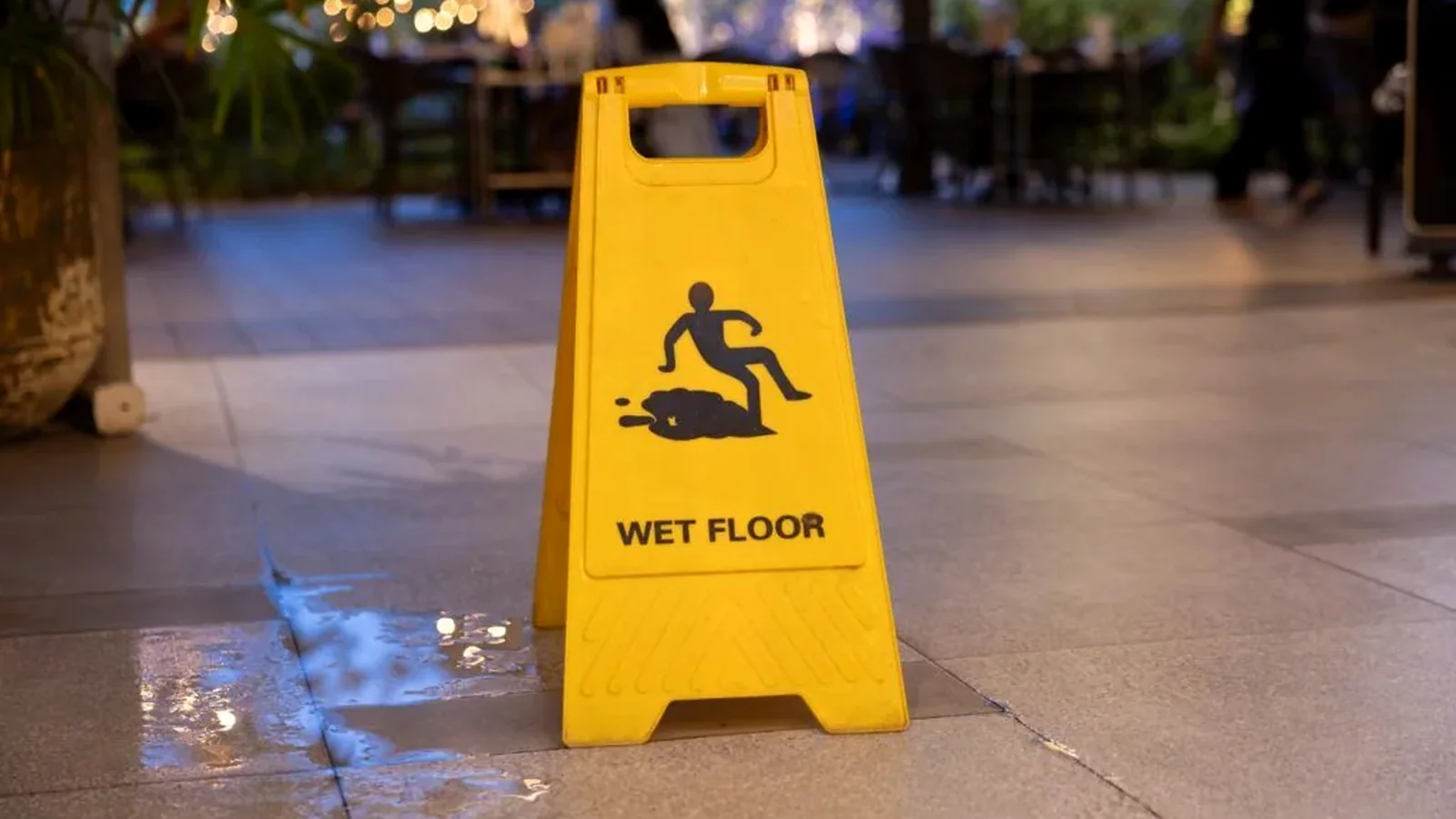
A Queens slip-and-fall claim turns on the specific hazard, who controlled the property, whether there was notice, and how the fall caused measurable injury.
About this article
Licatesi Law Group, LLP publishes these articles to help readers understand common injury, insurance, and litigation issues in New York and New Jersey. This information is not legal advice. If you have a potential claim, speak with an attorney about the facts of your case.
Key points
What to know before you act
Slip and Fall Lawyer Queens | Premises Liability comes down to proof of the unsafe condition, who controlled the property, whether the hazard should have been fixed, and how the injury changed the client’s life.
Start here
- Photograph the exact condition before it is cleaned, repaired, or blocked off.
- Report the incident to the property owner, manager, store, building, or venue.
- Get witness names and save shoes, clothing, medical records, and follow-up instructions.
Property-claim evidence to save
- Scene photos from multiple angles
- Incident reports and witness names
- Maintenance, inspection, cleaning, or repair records
- Medical records and proof of missed work
Deadline note
Property conditions can change quickly. Claims involving public property may also require a notice of claim much sooner than the ordinary lawsuit deadline.
When to call
A lawyer can identify who controlled the property and what records should be preserved.
Slip and fall injuries in Queens
A Queens slip and fall case starts with the condition that caused the fall: a wet floor, broken stair, cracked sidewalk, icy parking lot, loose mat, poor lighting, or another hazard that should have been fixed or warned about.
The key is documenting the scene before it changes. Photos, incident reports, witness names, and maintenance records often decide whether a premises liability claim can be proven.
Common places these falls happen
- Grocery stores and supermarkets with spills or recently mopped aisles
- Restaurants with grease, loose mats, poor lighting, or uneven floors
- Sidewalks and public walkways with cracks, holes, ice, or raised slabs
- Apartment buildings with broken stairs, missing handrails, or poor lighting
- Construction areas with debris, temporary walkways, or unsafe barriers
- Malls and retail stores where hazards are not cleaned or marked quickly
What you need to prove
- 1
Dangerous condition
The fall must be tied to a specific hazard, not just the fact that someone got hurt.
- 2
Notice or control
The owner, tenant, manager, contractor, or city agency must have created, known about, or had time to discover the hazard.
- 3
Injury connection
Medical records need to connect the fall to the diagnosis, treatment, missed work, and long-term limits.
Comparative negligence
New York allows an injured person to recover even if they are partly responsible. The recovery can be reduced by the percentage of fault, which makes clear photos, witness statements, and condition records important.
Local proof matters
Queens claims can involve stores, restaurants, apartment buildings, contractors, landlords, or public walkways. Identifying the right property controller early helps preserve the records needed for the case.
Expanded guide
A deeper look at this claim
A Queens slip-and-fall claim turns on the specific hazard, who controlled the property, whether there was notice, and how the fall caused measurable injury.
Slip-and-fall proof to preserve
- Photos of the spill, ice, broken stair, cracked sidewalk, loose mat, or poor lighting
- Incident report and names of employees or managers notified
- Witness names and nearby camera locations
- Shoes, clothing, medical records, and missed-work proof
How queens slip and fall claims are evaluated
Property owners, tenants, managing agents, contractors, snow-removal companies, stores, restaurants, and public agencies can all be relevant depending on who controlled the area and who had responsibility for maintenance.
The practical question is not only whether someone was hurt. A strong claim connects the unsafe act or condition to a specific legal duty, the injury that followed, and records that show the harm was not minor or unrelated.
Evidence that can make or break the case
The strongest premises cases usually have photos before cleanup or repair, proof that the condition existed long enough to be addressed, and medical records that connect the fall to the injury.
Useful proof is often ordinary: photos, reports, witness names, treatment records, messages, receipts, and insurance paperwork. The value comes from collecting it early, keeping it organized, and matching each record to the disputed issue.
- Photos of the spill, ice, broken stair, cracked sidewalk, loose mat, or poor lighting
- Incident report and names of employees or managers notified
- Witness names and nearby camera locations
- Shoes, clothing, medical records, and missed-work proof
Deadlines, insurers, and next steps
Unsafe property conditions can be repaired quickly. If the fall happened on public property, a notice-of-claim issue may also need immediate review.
Before giving recorded statements, signing releases, or assuming the first insurance response is final, injured people should understand which claim path applies and what proof still needs to be preserved.
Frequently Asked Questions
When should I speak with a lawyer about a Queens slip-and-fall injury?
You should speak with a lawyer when the injury is serious, medical treatment is ongoing, fault is disputed, an insurer is asking for a statement, or a public entity, employer, contractor, landlord, medical provider, or product company may be involved.
What records matter most for a Queens slip-and-fall injury?
The most useful records are the ones that prove timing, notice, cause, and damages: incident reports, photos or video, witness names, medical records, bills, missed-work proof, insurance letters, and written communications with the responsible party.
Can I still have a claim if I am partly blamed?
Possibly. New York personal injury cases can involve comparative fault, which means fault may be divided between different people or companies. Clear evidence helps prevent an insurer from overstating the injured person’s share of responsibility.
Why is early investigation important?
Conditions change, cameras overwrite footage, witnesses move on, vehicles are repaired, and businesses or agencies may not keep records forever. Early investigation helps preserve proof before it disappears.
What does Licatesi Law Group review during a consultation?
The firm reviews what happened, who may be legally responsible, the available insurance or claim path, medical treatment, deadlines, and the records needed to prove the case. The goal is to identify the next practical step, not to promise a result.
Talk to a New York injury lawyer
Questions after reading this?
Licatesi Law Group, LLP offers free consultations for injury victims and families. Tell us what happened and we can explain the next legal steps.
Related Resources
Practice Areas
Premises Liability Lawyers
Claims involving unsafe buildings, poor maintenance, and negligent property owners
Slip and Fall Lawyers
Help after falls caused by unsafe floors, stairs, sidewalks, and property conditions
Queens Slip and Fall Lawyers
Local representation for Queens premises and fall injury claims
Related Articles
Premises Liability Lawyer Queens: Unsafe Property Injury Guide
Injured on unsafe property in Queens? Learn what premises liability cases require, what evidence to save, deadlines, and when to call Licate
Negligent Property Management
Property owners and management companies have a legal duty to maintain safe premises. Learn about negligent property management, liability,
New York Tenants Rights Guide
Understanding your rights as a New York tenant is crucial. This comprehensive guide covers heat requirements, air conditioning laws, landlor