

Dog Bites (New Jersey)
New Jersey Dog Bite Lawyer
New Jersey makes a dog's owner liable when the dog bites someone in a public place or someone lawfully on private property, whatever the dog's history. Injuries that are not bites need different proof. Over 40 years of experience.
Free consultation. No fee unless there is a recovery.

Does the dog bite statute apply?
1. Was it a bite?
The statute covers bites. Knock-downs, jumping and scratches follow common-law rules.
2. Where were you?
A public place, or lawfully on private property, including the owner’s home as an invited guest or worker.
3. Who is the defendant?
The statute applies to the dog’s owner. Landlords and others are judged under negligence rules.
4. Was a public entity involved?
A 90-day notice of claim may be required.
The statute
New Jersey's Strict Liability Dog Bite Law: N.J.S.A. 4:19-16
“The owner of any dog which shall bite a person while such person is on or in a public place, or lawfully on or in a private place, including the property of the owner of the dog, shall be liable for such damages as may be suffered by the person bitten, regardless of the former viciousness of such dog or the owner's knowledge of such viciousness.”
What this means for you
- You do not have to prove the dog had bitten or threatened anyone before.
- "Lawfully" on the owner's property means there by express or implied invitation, or performing a duty under state or federal law or postal regulations.
- Groomers, kennel staff and veterinarians caring for a dog can also sue under the statute, although their experience bears on fault (Goldhagen v. Pasmowitz, 2021).
Other routes
When the statute does not decide the case
- Knocked down, jumped on or scratched
- Not covered by the bite statute. You generally must show the owner knew of the dog’s tendency to behave that way, or was negligent in controlling it.
- Jannuzzelli v. Wilkens (1978)
- The person bitten was trespassing
- Outside the statute; common-law rules apply. Children under seven are rebuttably presumed incapable of negligence.
- DeRobertis v. Randazzo (1983)
- Claim against a landlord
- A landlord who does not own the dog is not liable as its owner under the statute. A negligence claim generally requires proof of knowledge of the dog’s dangerous tendencies and the relevant duty and control.
- Zukowitz v. Halperin (2003)
- Public property or a public employee
- The Tort Claims Act may require a notice of claim within 90 days.
- N.J.S.A. 59:8-8
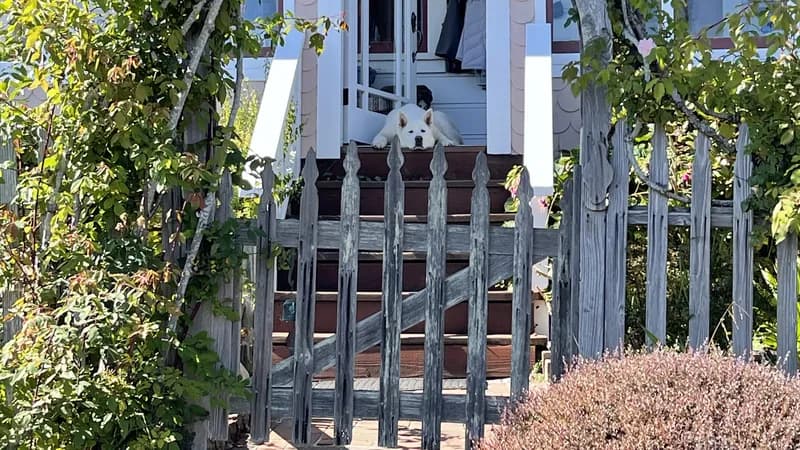
On someone's property, the statute protects invited guests and people working there, such as letter carriers and meter readers. A meter reader bitten while doing her job established strict liability in Pingaro v. Rossi (1999).
Defenses
What the owner may argue
Strict liability does not mean automatic payment. The Comparative Negligence Act applies to the dog bite statute, so a jury can reduce the award by the injured person's share of fault, or bar it if that share is greater than the defendants' combined (Goldhagen, 2021; N.J.S.A. 2A:15-5.1). Warnings, professional experience, knowing exposure to danger and alleged provocation can affect that assessment. Fault is not established simply because the owner says the injured person provoked the dog.
Dangerous dog declarations
The Vicious and Potentially Dangerous Dog Act
Separately from a damages claim, a municipal court can declare a dog "vicious" (for example, it killed or seriously injured a person in an unprovoked attack) or "potentially dangerous," which brings registration and other obligations for the owner (N.J.S.A. 4:19-17 et seq.). A declaration is not needed to recover for a bite, but animal-control and municipal-court records can be useful evidence.
Next steps
What to Do After a Dog Bite
Seek medical treatment
Bites can cause serious infection, and rabies exposure has to be assessed. Do not delay treatment.
Report the bite
Notify the local health department where the animal is located. A local board of health can order the dog confined for at least 10 days after the bite.
Document everything
Photograph the wounds, torn clothing and the location, and keep photographing as the injury heals.
Get the owner’s details
Name, address, homeowner’s or renter’s insurance, and proof of rabies vaccination.
Preserve evidence and witnesses
Witness names and contact details, medical records, bills and prescriptions.
Be careful with insurers
Talk to a lawyer before giving a recorded statement to the owner’s insurance company.
Sources: NJ Department of Health, rabies; N.J.S.A. 26:4-82.
Deadline
Statute of limitations
- 2 years
- Most New Jersey personal injury lawsuits must be filed within two years after the claim accrues, usually the date of injury.
- Children
- If the person bitten was under 18, the two years generally run from their 18th birthday.
- 90 days
- Generally, notice is due within 90 days of accrual and suit within two years for a claim against a public entity or employee. A court may permit late notice within one year for extraordinary circumstances and no substantial prejudice. Minors, incapacity and accrual can change these clocks; seek prompt review.
Who pays
A homeowner's or renter's liability policy is often the source of payment, but coverage, limits and exclusions vary. We identify the coverage early. Damages can include medical care, lost earnings, pain and suffering, and scarring.
Questions
New Jersey Dog Bite FAQs
Under N.J.S.A. 4:19-16, the owner of a dog that bites a person is liable for the damages, regardless of whether the dog was ever vicious before or whether the owner knew of it, if the person bitten was in a public place or lawfully on private property, including the owner’s. A person is lawfully on the owner’s property when invited, expressly or by implication, or when there to perform a duty under state or federal law or postal regulations. The statute covers bites; other dog-caused injuries follow different rules.
Not for a bite covered by the statute. New Jersey does not follow a “one bite” rule for bites: the dog’s history and the owner’s knowledge are irrelevant to liability under N.J.S.A. 4:19-16. Knowledge does matter when the injury was not a bite, when the person was trespassing, or when the claim is against someone other than the owner, such as a landlord.
Damages can include past and future medical care (emergency treatment, surgery, scar revision, infection treatment and counseling), lost wages and earning capacity, pain and suffering, scarring and disfigurement, and loss of enjoyment of life. If the person bitten was partly at fault, the recovery can be reduced, or barred if their fault was greater than the defendants’ combined (Goldhagen v. Pasmowitz, 2021; N.J.S.A. 2A:15-5.1).
Generally two years from the date of the bite (N.J.S.A. 2A:14-2(a)). For a child, the two years generally run from the 18th birthday (N.J.S.A. 2A:14-21). If a public entity or public employee may be responsible, a notice of claim may be due within 90 days. Evidence such as wound photos, witness memories and animal-control records is easier to secure early.
The statute covers bites in a public place, such as a park, street or sidewalk, as long as the bite happened there; you do not need to show the owner knew the dog was dangerous. The owner’s identity matters, so get the owner’s name and contact information, and the names of witnesses, before leaving.
Usually yes. A child invited to a neighbor’s home is lawfully on the property, and the statute makes the dog’s owner liable for a bite. Children under seven are rebuttably presumed incapable of negligence (DeRobertis v. Randazzo, 1983). The claim is normally paid through the owner’s homeowner’s or renter’s liability insurance, if any.
Comparative negligence applies to the dog bite statute (Goldhagen v. Pasmowitz, 2021), so the owner can argue your conduct contributed. Warnings, experience handling dogs, knowing exposure to danger and alleged provocation can matter. The conduct and circumstances must be assessed under the current comparative-fault framework; neither an allegation of provocation nor permission to pet the dog decides the case by itself.
Often, but not always. Many homeowner’s and renter’s policies include liability coverage that can pay a dog bite claim, but limits, exclusions and breed restrictions vary from policy to policy. We identify the owner’s coverage early and deal with the insurer, which will begin its own investigation quickly.
(1) Get medical care: bites can cause serious infections and rabies exposure must be assessed. (2) Notify the local health department where the animal is located, as the New Jersey Department of Health advises; a local board of health can order the biting animal confined for at least 10 days (N.J.S.A. 26:4-82). (3) Photograph the wounds, your clothing and the place it happened, and keep photographing the healing. (4) Get the owner’s contact, insurance and vaccination information. (5) Get witness names. (6) Keep all medical records and bills. (7) Talk to a lawyer before giving a recorded statement to an insurer.
Possibly, but not under the strict-liability statute unless the dog bit you. Injuries from a dog jumping, scratching or knocking someone down are governed by the common law: you generally must show the owner knew of the dog’s tendency to act that way, or that the owner was negligent in controlling it (Jannuzzelli v. Wilkens, 1978). Whether an injury counts as a bite is a factual question, so tell us exactly what happened.
Deep puncture wounds that need stitches or surgery; facial injuries and permanent scarring, especially in children; hand, finger and arm injuries with nerve or tendon damage; infections; fractures from being knocked down; and psychological effects such as fear of dogs that may need counseling. Scarring and nerve damage often take months to assess, which is one reason not to settle early.
Bitten in New York? New York's rules are different; see our New York dog bite page. Hurt in a fall on the same property? See New Jersey slip and fall, or return to the New Jersey personal injury overview.
Dog bite in New Jersey? Get the claim documented early
We will confirm whether the statute applies, identify the owner's insurance and document the injury while it heals. Free consultation; no fee unless there is a recovery.
What to bring
- Where and when it happened, and the owner’s name and address
- Photos of the wounds over time and of torn clothing
- Any animal-control, health-department or police report
- Medical records, bills and time missed from work
Photo credits: Dog walk in the snow by Billie Grace Ward, CC BY 2.0, cropped and resized; Dog on a porch by Missvain, CC BY 4.0, cropped and resized.