

Wrongful death claims in Brooklyn
Brooklyn Wrongful Death Lawyer
Only a court-appointed representative can bring a New York wrongful death claim, so in Brooklyn the first step is letters from the Kings County Surrogate's Court.
The lawsuit itself is generally due within two years of the death, and a City notice can be due 90 days after appointment.
Estate first
From letters to distribution in Kings County
Letters from the Surrogate’s Court
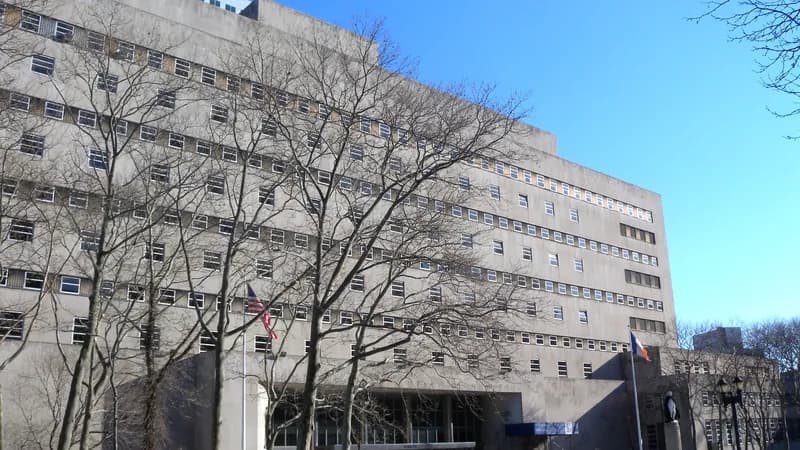
The Kings County Surrogate's Court, 2 Johnson Street, appoints the representative: an executor named in a will or an administrator. It can issue limited letters to bring the case, restraining a settlement until it approves (SCPA 702). If an executor refuses to sue, distributees who do not take part in the estate's administration can ask for an administrator (EPTL 5-4.1).
A notice, if a public body may be responsible
If the City or another municipality may be legally responsible, the notice of claim for the death is due 90 days after appointment (GML 50-e). The person's own injury notice runs from the injury. The State, the MTA and NYC Transit have their own rules; the Bronx page lists them.
The lawsuit, often at 360 Adams Street
When Kings County is a proper venue, the representative often sues in the Supreme Court, Civil Term (a representative appointed there counts as a Kings County resident, CPLR 503(b)), generally within two years after the death, or at least one year after the end of a criminal action against the same defendant for the same event (EPTL 5-4.1; GML 50-i for municipalities). The survival claim is joined and keeps its own clock.
Settlement or verdict
Death and survival claims are decided with separate amounts (EPTL 11-3.3). The survival recovery becomes part of the estate.
Dividing the recovery
After a hearing, the court or the Kings County Surrogate fixes each distributee's share by their pecuniary loss and can deduct reasonable expenses (EPTL 5-4.4). The Queens page explains that division.
Sources: Kings County Surrogate's Court and Supreme Court pages (New York State Unified Court System); EPTL 5-4.1, 5-4.4, SCPA 702, GML 50-e, 50-i.
While the estate is opened
Records to request now
Appointment can take time. Evidence should not wait for it, because video and other records can be overwritten or discarded.
- Death certificate and the medical examiner’s report
- NYPD collision or incident report and witness names
- Ambulance, emergency department and hospital records
- Video from nearby stores, buildings, buses or vehicles
- Pay stubs, tax returns and proof of support the person gave
- Funeral and medical bills
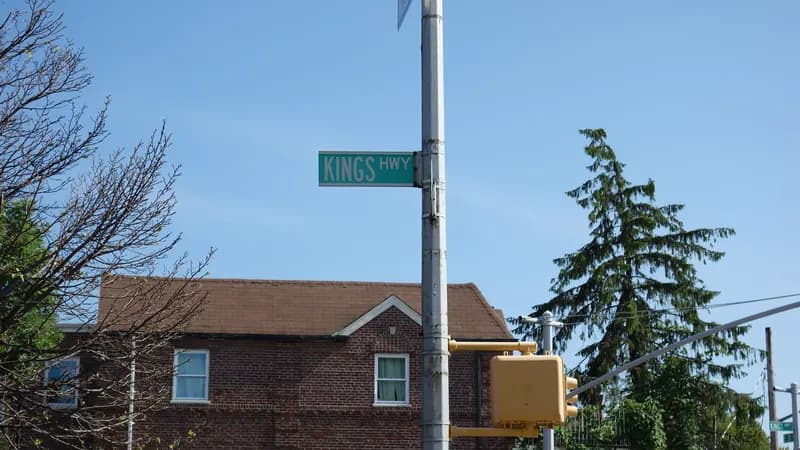
Our Brooklyn office
3857 Kings Highway, #1f, Brooklyn, NY 11234. See directions and hours, or call (516) 227-2662.
Related pages
Other parts of the claim
For the deadline that applies to each kind of defendant, see Bronx wrongful death; for how a recovery is divided, Queens wrongful death; for the law statewide, New York wrongful death; and to compare offices and courts, wrongful death lawyers near me. Also see Manhattan wrongful death, Brooklyn personal injury and Brooklyn pedestrian accidents.
Families we represent come from across Brooklyn, including Downtown Brooklyn, Williamsburg, Park Slope, Bay Ridge, Bensonhurst, Bushwick, Bedford-Stuyvesant, Brooklyn Heights, DUMBO, Fort Greene, Sunset Park, Carroll Gardens.
Questions
Brooklyn wrongful death questions
Wrongful death claims in Brooklyn can arise from traffic crashes involving drivers, pedestrians and cyclists, construction and building work, medical and nursing-home care, unsafe property and defective products. What matters for the claim is who was legally responsible and whether that includes a public body, such as the City or the MTA, because that changes the first deadline. The records of the event, not rankings of streets or causes, decide the claim.
Generally two years after the death, or at least one year after a criminal action against the same defendant for the same event ends (EPTL 5-4.1). If the City may be legally responsible: notice of claim within 90 days after the representative is appointed; suit within two years. The State: within 90 days after appointment, file and serve the claim or serve a notice of intention on the Attorney General; the claim must be filed and served within two years after the death. Transit and survival claims differ.
Only the personal representative. For someone who lived in Brooklyn, letters usually come from the Kings County Surrogate's Court at 2 Johnson Street: letters testamentary for an executor named in a will, or letters of administration without one. The court can also issue limited letters for bringing the lawsuit (SCPA 702). The claim is for the distributees, such as a spouse, children or parents; they do not sue separately.
Emergency crews choose the hospital. For the claim, what matters is getting the complete records from every place the person was treated: the ambulance report, the emergency department, surgery and intensive care notes, and any transfer hospital. These records show what happened before death, which matters for the survival claim, and support the medical expenses claimed. The medical examiner's report may also be needed.
New York law is the same in Brooklyn as elsewhere: fair and just compensation for the pecuniary injuries the death caused the distributees, such as lost support, services and care, plus reasonable medical and funeral expenses paid by or owed by the distributees and interest from the date of death (EPTL 5-4.3). Grief and loss of companionship are generally not compensable. The survival claim can add the person's own pain and losses before death. Value depends on the proof of each distributee's loss.
Against a private or municipal defendant, a Brooklyn lawsuit is often filed in the Supreme Court, Civil Term, at 360 Adams Street when Kings County is a proper venue: under CPLR 503, generally where a party lived or a substantial part of the events happened, and a representative appointed in Kings County counts as a resident there. Claims against the State go to the Court of Claims. The court or the Kings County Surrogate's Court divides any recovery by each distributee's pecuniary loss after a hearing (EPTL 5-4.4).
Yes. In a wrongful death action, the person's share of fault does not bar recovery; it reduces the damages in proportion (CPLR 1411(a)). A 2026 rule bars recovery in some motor-vehicle personal-injury actions when the claimant's fault is greater than the defendants'; it is written for personal-injury actions, so its effect on a survival claim from a crash should be checked. Fault is decided on the evidence, which is why video and records matter early.
Get the death certificate and ask for the police report and hospital and medical examiner records. Ask stores, buildings and anyone with cameras to keep video. Keep funeral and medical bills and the person's pay and tax records. Decide who will petition the Kings County Surrogate's Court for letters, because City notice periods start at appointment. Do not sign a release or give a recorded statement to another party's insurer first.
Crashes between vehicles, people struck while walking or cycling, and crashes involving trucks, buses and delivery vehicles. If the condition of a State highway or City street may have contributed, the State or the City could also be responsible, but only if its legal responsibility can be shown, and its own notice rules then apply. The records for the place where it happened, not lists of dangerous streets, are what matter.
In an injury case the injured person sues for their own losses; most negligence claims against private parties must be started within three years, while claims against public bodies, medical malpractice and some other claims have shorter or different deadlines. In a death case the court-appointed representative sues for the family's pecuniary losses, generally within two years of the death, and a court divides any recovery among the distributees. The person's own pre-death losses continue as a survival claim, with its recovery going to the estate.
Talk to a Brooklyn wrongful death lawyer
We can explain who should seek letters, which deadlines apply and what to request first. The consultation is free, and there is no fee unless there is a recovery.
What to bring
- Death certificate
- Any police, hospital or medical examiner records
- Will or estate papers, if any
- The person's pay records or tax returns
Photo credits: Kings Highway at East 38th Street by Tdorante10, CC BY-SA 4.0, cropped and resized.