
The Dangers of Intoxicated Driving
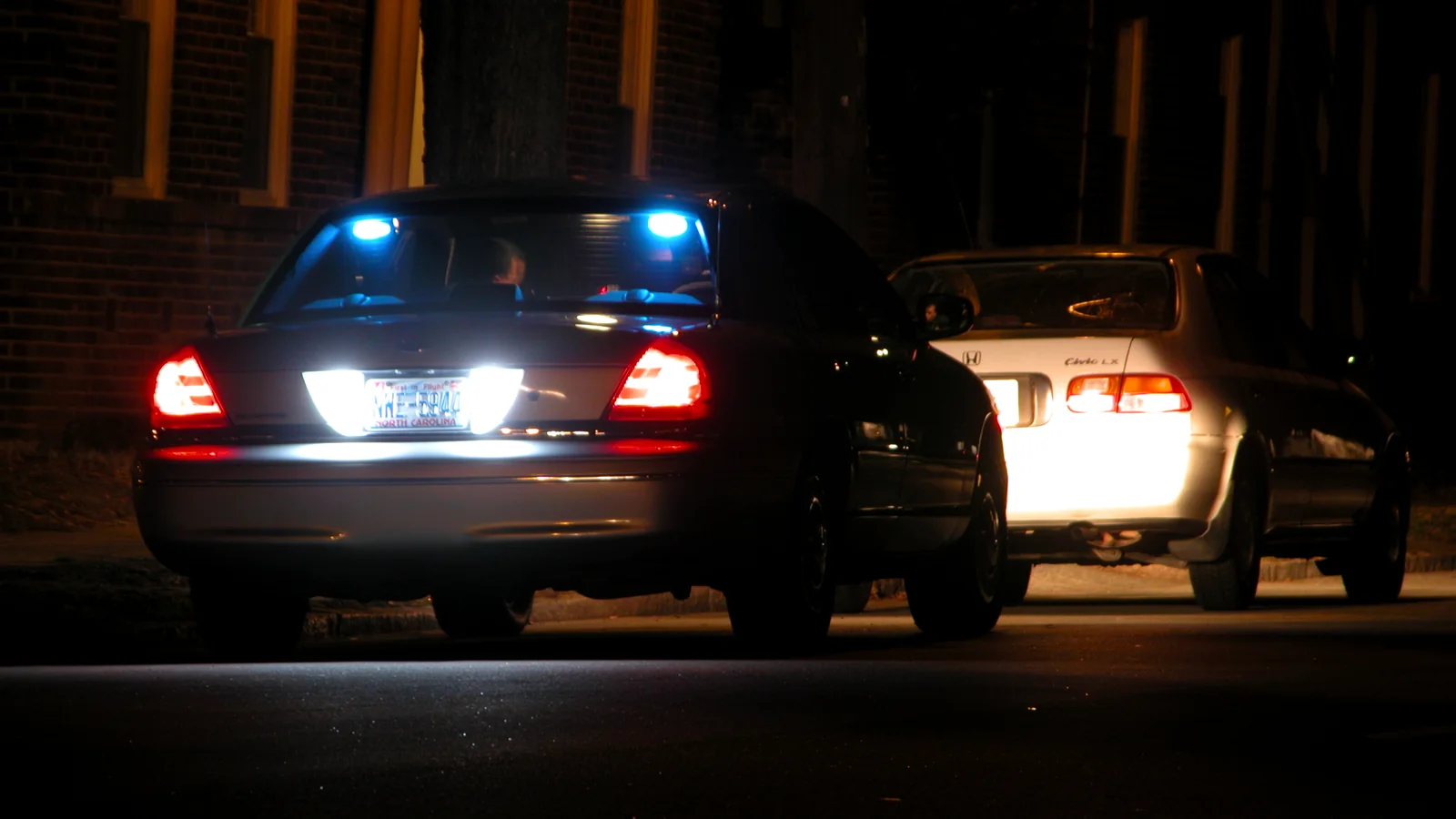
A civil injury claim after drunk or drug-impaired driving needs crash proof, intoxication proof, medical documentation, and insurance analysis.
About this article
Licatesi Law Group, LLP publishes these articles to help readers understand common injury, insurance, and litigation issues in New York and New Jersey. This information is not legal advice. If you have a potential claim, speak with an attorney about the facts of your case.
Key points
What to know before you act
Drunk or drug-impaired driving cases often depend on proof beyond the crash report, including arrest records, witness accounts, bar or restaurant evidence, and medical documentation.
Start here
- Get the police report and any arrest or summons information.
- Identify witnesses, passengers, bars, restaurants, or event locations.
- Track treatment and symptoms from the first medical visit forward.
Evidence that can strengthen the claim
- Police accident and intoxication records
- 911 or body-camera footage when available
- Witness names and passenger statements
- Photos, video, and medical records
Deadline note
New York injury deadlines still apply, but evidence from businesses, cameras, and witnesses can disappear much sooner.
When to call
Early investigation matters when intoxication may have caused or worsened the crash.
Claim overview and legal context
The Dangers of Intoxicated Driving explains the practical records, deadlines, insurance questions, and liability issues that can matter after an injury in New York or New Jersey.
Records that help prove the claim
- Photos, video, incident reports, and witness names from the scene.
- Medical records, bills, referrals, and work-status notes tied to the injury.
- Insurance letters, claim numbers, property records, or agency notices connected to the event.
Deadlines and next steps
Evidence can disappear quickly, and claims involving municipalities, insurers, employers, or property owners can have strict notice rules. A focused legal review helps identify the right next step before deadlines create problems.
Expanded guide
A deeper look at this claim
A civil injury claim after drunk or drug-impaired driving needs crash proof, intoxication proof, medical documentation, and insurance analysis.
DUI crash evidence to keep
- Police report, arrest, summons, or toxicology-related records if available
- Witness names, passenger statements, and nearby camera sources
- Photos of vehicles, roadway, lighting, and visible injuries
- Medical records, no-fault paperwork, and insurer communications
How intoxicated driving injury claims are evaluated
The impaired driver may be responsible, but the investigation may also involve vehicle owners, employers, rideshare or delivery relationships, or other drivers who contributed to the crash.
The practical question is not only whether someone was hurt. A strong claim connects the unsafe act or condition to a specific legal duty, the injury that followed, and records that show the harm was not minor or unrelated.
Evidence that can make or break the case
Criminal charges can help explain what happened, but a civil claim still needs proof of injury, treatment, losses, and insurance coverage. Witnesses and video may be just as important as the crash report.
Useful proof is often ordinary: photos, reports, witness names, treatment records, messages, receipts, and insurance paperwork. The value comes from collecting it early, keeping it organized, and matching each record to the disputed issue.
- Police report, arrest, summons, or toxicology-related records if available
- Witness names, passenger statements, and nearby camera sources
- Photos of vehicles, roadway, lighting, and visible injuries
- Medical records, no-fault paperwork, and insurer communications
Deadlines, insurers, and next steps
Camera footage, bar or event records, and witness memory can disappear quickly. No-fault benefits and injury claims also have different timelines.
Before giving recorded statements, signing releases, or assuming the first insurance response is final, injured people should understand which claim path applies and what proof still needs to be preserved.
Frequently Asked Questions
When should I speak with a lawyer about an intoxicated driving injury claim?
You should speak with a lawyer when the injury is serious, medical treatment is ongoing, fault is disputed, an insurer is asking for a statement, or a public entity, employer, contractor, landlord, medical provider, or product company may be involved.
What records matter most for an intoxicated driving injury claim?
The most useful records are the ones that prove timing, notice, cause, and damages: incident reports, photos or video, witness names, medical records, bills, missed-work proof, insurance letters, and written communications with the responsible party.
Can I still have a claim if I am partly blamed?
Possibly. New York personal injury cases can involve comparative fault, which means fault may be divided between different people or companies. Clear evidence helps prevent an insurer from overstating the injured person’s share of responsibility.
Why is early investigation important?
Conditions change, cameras overwrite footage, witnesses move on, vehicles are repaired, and businesses or agencies may not keep records forever. Early investigation helps preserve proof before it disappears.
What does Licatesi Law Group review during a consultation?
The firm reviews what happened, who may be legally responsible, the available insurance or claim path, medical treatment, deadlines, and the records needed to prove the case. The goal is to identify the next practical step, not to promise a result.
Talk to a New York injury lawyer
Questions after reading this?
Licatesi Law Group, LLP offers free consultations for injury victims and families. Tell us what happened and we can explain the next legal steps.
Related Resources
Practice Areas
Auto Accident Lawyers
Help after crashes involving drivers, passengers, rideshare vehicles, and insurers
NY No-Fault and PIP Law Guide
NF-2 deadlines, PIP benefits, wage claims, and serious-injury lawsuit guidance
Car Accident Lawyers
No-fee-unless-we-win representation for New York car accident claims
Truck Accident Lawyers
Claims involving commercial trucks, delivery vehicles, and serious crash injuries
Related Articles
Amazon Truck Accidents in New York
Learn how delivery schedules, contractors, and insurance layers can affect a New York Amazon truck accident claim.
Nassau County Car Accident Lawyer Guide
Learn what to document after a Nassau County car accident, how no-fault benefits work, and when a separate injury claim may apply.
Lyft Accident Claims in New York
Review the first steps after a Lyft crash and how rideshare insurance coverage may apply.