
Personal Injury Protection New York Guide
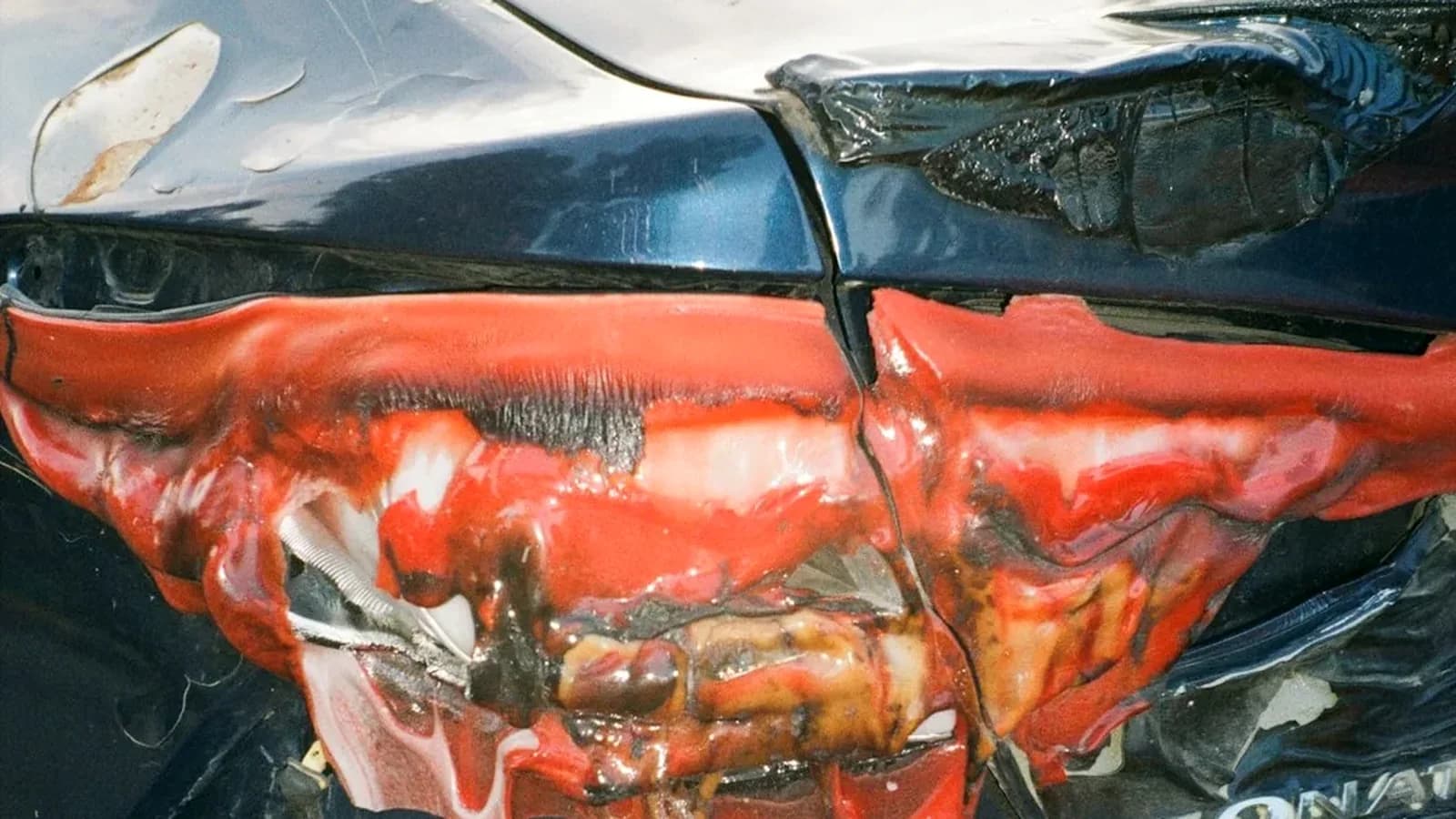
No-fault/PIP benefits and bodily-injury lawsuits solve different problems after a New York motor vehicle accident. The blog should support the canonical PIP guide, not compete with it.
About this article
Licatesi Law Group, LLP publishes these articles to help readers understand common injury, insurance, and litigation issues in New York and New Jersey. This information is not legal advice. If you have a potential claim, speak with an attorney about the facts of your case.
Sources used for this guide
Official references and records to check
Key points
What to know before you act
Personal Injury Protection New York Guide usually depends on liability proof, insurance deadlines, medical documentation, and whether camera or witness evidence can be preserved.
Start here
- Get the police report number and every driver, vehicle, and insurance detail.
- Photograph the vehicles, street, signals, weather, lighting, and visible injuries.
- Keep no-fault paperwork, medical records, bills, and missed-work proof together.
Accident evidence checklist
- Police report and crash location details
- Photos, video, dashcam, or nearby camera sources
- Witness names and insurance letters
- Emergency room, specialist, and therapy records
Deadline note
No-fault and notice deadlines can come up fast, even while the injury claim is still developing.
When to call
Early review helps keep insurers from controlling the story before the evidence is complete.
Claim overview and legal context
No-Fault vs. Bodily Injury Claims explains the practical records, deadlines, insurance questions, and liability issues that can matter after an injury in New York or New Jersey.
Records that help prove the claim
- Photos, video, incident reports, and witness names from the scene.
- Medical records, bills, referrals, and work-status notes tied to the injury.
- Insurance letters, claim numbers, property records, or agency notices connected to the event.
Deadlines and next steps
Evidence can disappear quickly, and claims involving municipalities, insurers, employers, or property owners can have strict notice rules. A focused legal review helps identify the right next step before deadlines create problems.
Expanded guide
A deeper look at this claim
No-fault/PIP benefits and bodily-injury lawsuits solve different problems after a New York motor vehicle accident. The blog should support the canonical PIP guide, not compete with it.
No-fault and injury-claim records to save
- NF-2/no-fault paperwork, insurer letters, claim numbers, and benefit denials
- Medical bills, treatment records, referrals, and lost-wage proof
- Police report, vehicle photos, driver/insurance details, and witness names
- Records showing serious injury, permanency, surgery, missed work, or long-term limitations
How new york no-fault and bodily-injury claims are evaluated
No-fault generally addresses prompt medical bills and certain economic losses regardless of fault. A bodily-injury claim focuses on fault, serious injury, pain and suffering, and losses beyond basic PIP benefits.
The practical question is not only whether someone was hurt. A strong claim connects the unsafe act or condition to a specific legal duty, the injury that followed, and records that show the harm was not minor or unrelated.
Evidence that can make or break the case
The two tracks overlap but are not identical. Medical records help with no-fault benefits, while liability proof and serious-injury documentation matter for the lawsuit against the at-fault party.
Useful proof is often ordinary: photos, reports, witness names, treatment records, messages, receipts, and insurance paperwork. The value comes from collecting it early, keeping it organized, and matching each record to the disputed issue.
- NF-2/no-fault paperwork, insurer letters, claim numbers, and benefit denials
- Medical bills, treatment records, referrals, and lost-wage proof
- Police report, vehicle photos, driver/insurance details, and witness names
- Records showing serious injury, permanency, surgery, missed work, or long-term limitations
Deadlines, insurers, and next steps
No-fault forms and deadlines can come up quickly. The supporting blog should link readers to the canonical NY No-Fault and PIP Law Guide for the full PIP explanation.
For deeper PIP details, readers should use the dedicated NY No-Fault and PIP Law Guide. This article should remain a supporting explainer about how the insurance and lawsuit tracks fit together.
Frequently Asked Questions
What is the difference between no-fault and a bodily injury claim?
No-fault usually addresses certain medical bills and lost wages after a crash regardless of fault. A bodily injury claim focuses on who caused the crash, serious injury proof, pain and suffering, and losses beyond basic benefits.
Do I need both claims after a New York crash?
Sometimes. A person may use no-fault benefits for immediate covered losses while also pursuing a bodily injury claim if another party caused a qualifying serious injury.
What records should I keep for no-fault and injury claims?
Keep the police report, no-fault forms, insurer letters, medical bills, treatment notes, wage records, photos, witness names, and any proof of lasting limitations or surgery.
Talk to a New York injury lawyer
Questions after reading this?
Licatesi Law Group, LLP offers free consultations for injury victims and families. Tell us what happened and we can explain the next legal steps.
Related Resources
Practice Areas
Auto Accident Lawyers
Help after crashes involving drivers, passengers, rideshare vehicles, and insurers
NY No-Fault and PIP Law Guide
NF-2 deadlines, PIP benefits, wage claims, and serious-injury lawsuit guidance
Car Accident Lawyers
No-fee-unless-we-win representation for New York car accident claims
Truck Accident Lawyers
Claims involving commercial trucks, delivery vehicles, and serious crash injuries
Related Articles
Amazon Truck Accidents in New York
Learn how delivery schedules, contractors, and insurance layers can affect a New York Amazon truck accident claim.
Nassau County Car Accident Lawyer Guide
Learn what to document after a Nassau County car accident, how no-fault benefits work, and when a separate injury claim may apply.
Lyft Accident Claims in New York
Review the first steps after a Lyft crash and how rideshare insurance coverage may apply.