
Comparative Negligence in New York
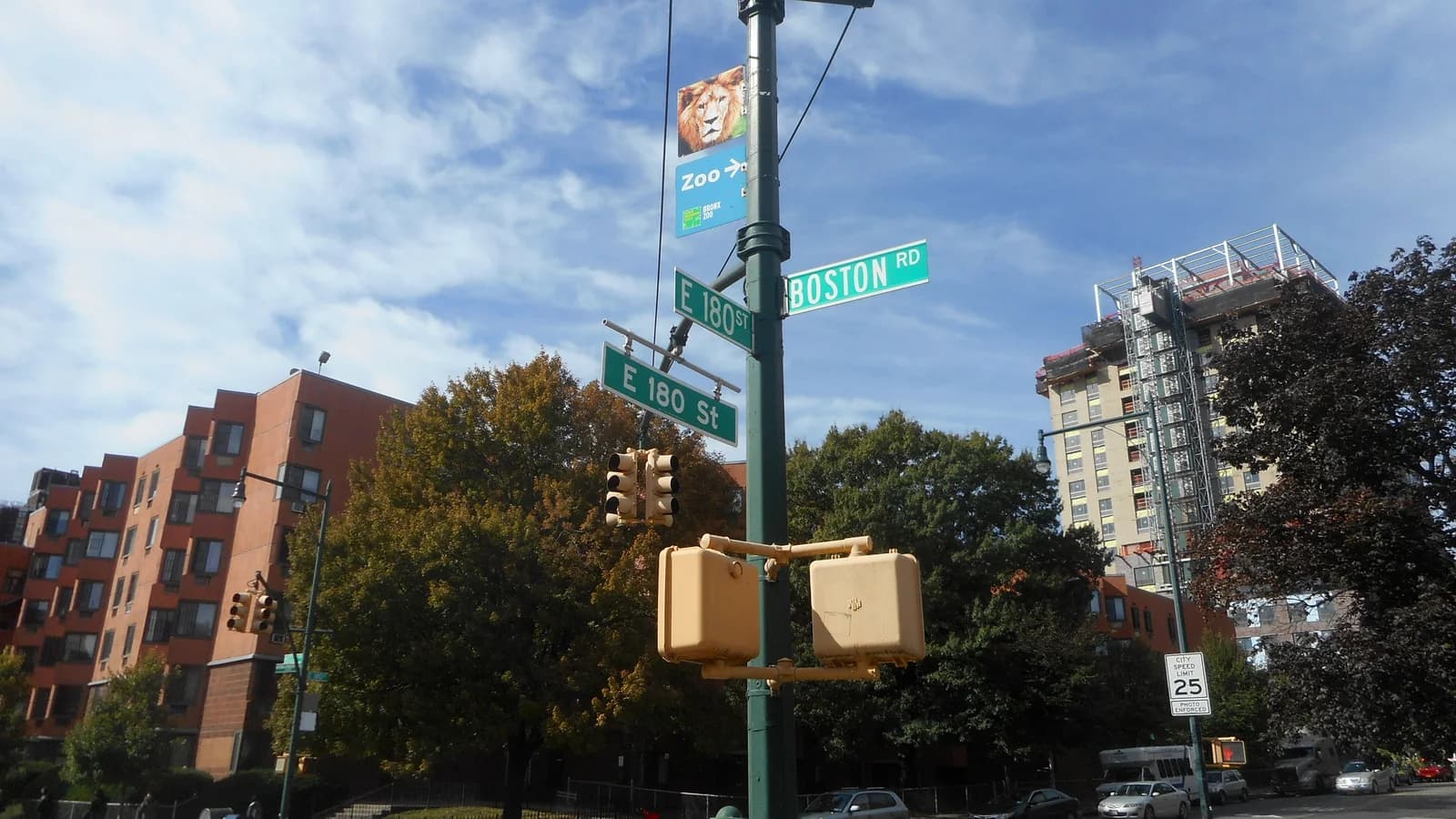
Comparative negligence determines how fault is divided when more than one person or company contributed to an accident.
About this article
Licatesi Law Group, LLP publishes these articles to help readers understand common injury, insurance, and litigation issues in New York and New Jersey. This information is not legal advice. If you have a potential claim, speak with an attorney about the facts of your case.
Sources used for this guide
Official references and records to check
Key points
What to know before you act
Comparative Negligence in New York is easier to evaluate when the facts, records, deadlines, and responsible parties are organized early.
Start here
- Write down what happened while the timeline is still fresh.
- Save photos, reports, medical records, insurance letters, and witness names.
- Do not assume the first explanation from an insurer or property owner is complete.
Evidence to keep together
- Incident reports and witness information
- Photos, video, and location details
- Medical records and bills
- Insurance letters and proof of missed work
Deadline note
Important evidence can disappear before the lawsuit deadline arrives.
When to call
A legal review can identify the right claim path and the proof that should be preserved.
Claim overview and legal context
Comparative Negligence in New York explains the practical records, deadlines, insurance questions, and liability issues that can matter after an injury in New York or New Jersey.
Records that help prove the claim
- Photos, video, incident reports, and witness names from the scene.
- Medical records, bills, referrals, and work-status notes tied to the injury.
- Insurance letters, claim numbers, property records, or agency notices connected to the event.
Deadlines and next steps
Evidence can disappear quickly, and claims involving municipalities, insurers, employers, or property owners can have strict notice rules. A focused legal review helps identify the right next step before deadlines create problems.
Expanded guide
A deeper look at this claim
Comparative negligence determines how fault is divided when more than one person or company contributed to an accident.
Fault-dispute records to preserve
- Photos or video showing the scene, hazard, vehicles, or property condition
- Witness names and statements
- Police, incident, or maintenance reports
- Medical records and proof that the injury came from the incident
How comparative negligence claims are evaluated
Insurers often use comparative fault arguments to reduce what they pay. The response depends on evidence showing what each party did, what warnings existed, and whether the injured person’s conduct actually caused the harm.
The practical question is not only whether someone was hurt. A strong claim connects the unsafe act or condition to a specific legal duty, the injury that followed, and records that show the harm was not minor or unrelated.
Evidence that can make or break the case
Clear evidence can prevent speculation from becoming the default story. Timing, sightlines, lighting, warning signs, measurements, and witness accounts can all affect fault allocation.
Useful proof is often ordinary: photos, reports, witness names, treatment records, messages, receipts, and insurance paperwork. The value comes from collecting it early, keeping it organized, and matching each record to the disputed issue.
- Photos or video showing the scene, hazard, vehicles, or property condition
- Witness names and statements
- Police, incident, or maintenance reports
- Medical records and proof that the injury came from the incident
Deadlines, insurers, and next steps
Fault arguments often appear early in claim handling. Preserve evidence before giving statements or accepting a version of events that leaves out key facts.
Before giving recorded statements, signing releases, or assuming the first insurance response is final, injured people should understand which claim path applies and what proof still needs to be preserved.
Frequently Asked Questions
What is pure comparative negligence in New York?
Pure comparative negligence means fault can be divided by percentage. An injured person may still recover damages even if partly responsible, but the recovery is reduced by that person’s share of fault. One narrow exception now applies to certain auto cases: CPLR 1411(b), added by Chapter 58 of the Laws of 2026, bars recovery where the claimant’s culpable conduct was greater than that of the person or parties from whom recovery is sought, but only in a personal injury action subject to Insurance Law Article 51 and only for actions commenced on or after May 26, 2026.
Who decides the percentage of fault?
Fault percentages may be argued by insurers during settlement talks or decided by a judge or jury if the case is litigated. Evidence from the scene, witnesses, reports, experts, and medical records can affect the allocation.
Can an insurer use comparative negligence to deny my claim?
An insurer may argue shared fault to reduce payment, and under New York’s general pure comparative negligence rule shared fault reduces rather than eliminates recovery. For auto cases there is now a narrow exception: under CPLR 1411(b), added by Chapter 58 of the Laws of 2026, recovery can be barred in a personal injury action subject to Insurance Law Article 51 commenced on or after May 26, 2026 where the claimant’s culpable conduct was greater than that of the parties from whom recovery is sought. The response should be based on proof, not assumption.
Talk to a New York injury lawyer
Questions after reading this?
Licatesi Law Group, LLP offers free consultations for injury victims and families. Tell us what happened and we can explain the next legal steps.
Related Resources
Practice Areas
Related Articles
Assault vs. Battery in New York
A practical explanation of the legal differences between assault and battery for New York injury claims.
Pedestrian Injuries in NYC
Understand why pedestrian crashes are rising across New York City and what injured walkers should document after an accident.
Amazon Truck Accidents in New York
Learn how delivery schedules, contractors, and insurance layers can affect a New York Amazon truck accident claim.