

Pedestrian safety
Pedestrian Injuries in NYC: What the Data Shows and Your Rights After a Crash
Thousands of people are injured while walking in New York City every year. Here is what the city's official crash data shows, what the law requires of drivers, and how a pedestrian's insurance and injury claims work.
By Michael A. Licatesi · Published · Updated
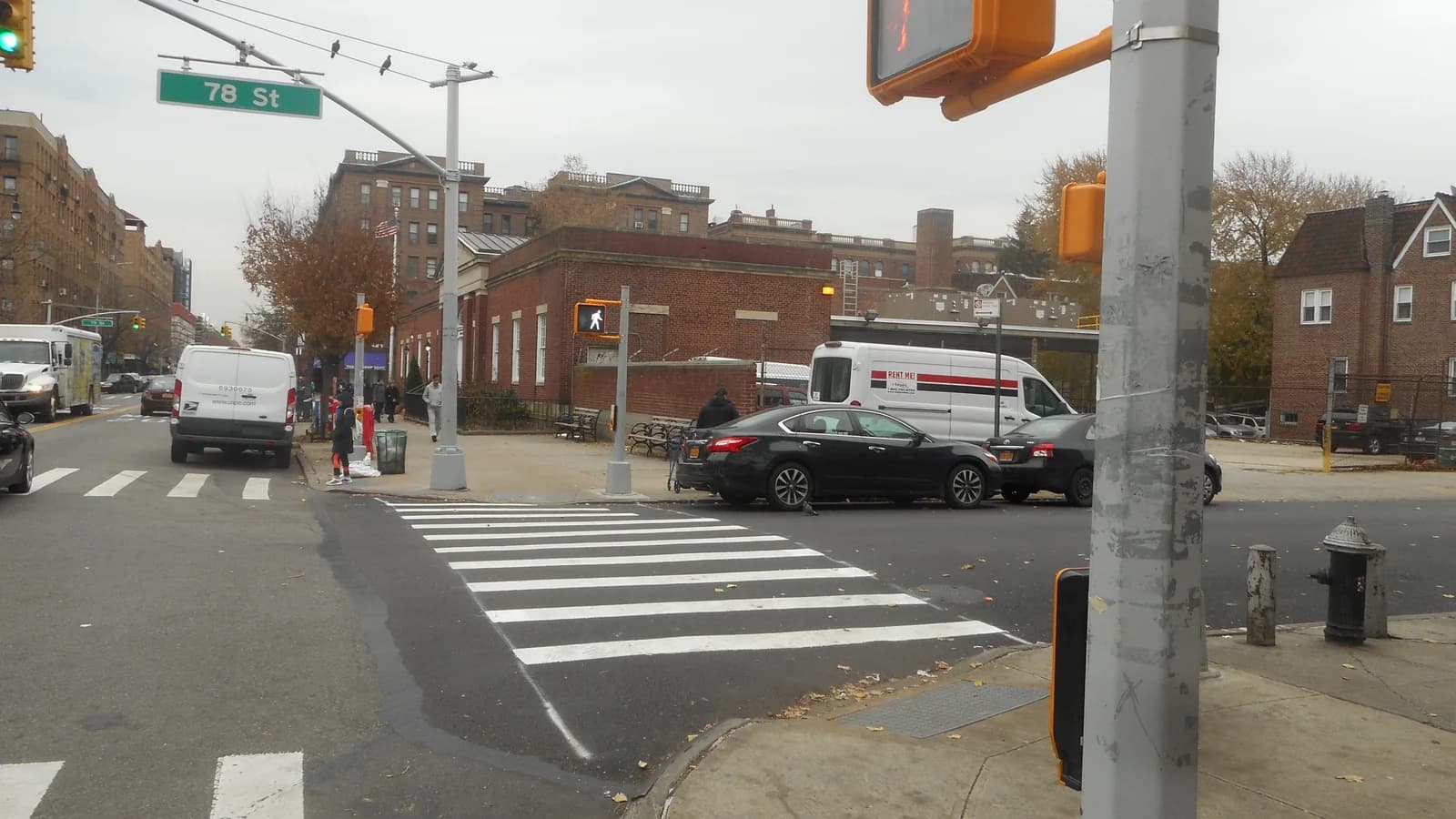
The short answer
- NYPD crash records published on NYC Open Data list more than 8,900 pedestrians injured in each year from 2022 through 2025.
- Drivers must exercise due care to avoid hitting pedestrians, and must yield to people in crosswalks when the rules give them the right of way.
- A pedestrian hit by an insured vehicle is generally covered by that vehicle's New York no-fault insurance for medical bills and part of lost earnings, up to the basic limit.
- If you are hit, call 911 and get medical care first. Do not stand in traffic to take photos.
This guide explains general New York rules. It is not legal advice about a specific crash.
What the official data shows
The New York City Police Department's motor vehicle collision records are published on NYC Open Data. Totals from that dataset, by calendar year, are below.
2022
Pedestrians injured 8,973
Pedestrians killed 135
2023
Pedestrians injured 9,075
Pedestrians killed 107
2024
Pedestrians injured 9,616
Pedestrians killed 124
2025
Pedestrians injured 9,134
Pedestrians killed 119
| Year | Pedestrians injured | Pedestrians killed |
|---|---|---|
| 2022 | 8,973 | 135 |
| 2023 | 9,075 | 107 |
| 2024 | 9,616 | 124 |
| 2025 | 9,134 | 119 |
Totals are sums of the dataset's number_of_pedestrians_injured and number_of_pedestrians_killed fields for crashes dated January 1 through December 31 of each year, retrieved from the Motor Vehicle Collisions - Crashes dataset on October 11, 2026; the dataset was last updated June 15, 2026. Figures reflect police-reported crashes and can change as records are updated.
The numbers move from year to year, but they have stayed in the thousands, and each one can involve serious injuries, insurance paperwork and short deadlines.
What drivers owe pedestrians
- Due care. Vehicle and Traffic Law 1146 requires every driver to exercise due care to avoid colliding with any pedestrian.
- Crosswalks. Under Vehicle and Traffic Law 1151, when traffic signals are not in place or not working, a driver must yield, slowing down or stopping if needed, to a pedestrian crossing within a crosswalk on the roadway the vehicle is traveling on. The same section bars a pedestrian from suddenly leaving a curb or other place of safety into the path of a vehicle so close that the driver cannot yield.
- New York City. Administrative Code 19-190 makes it a traffic infraction for a driver to fail to yield to a pedestrian or cyclist who has the right of way.
Pedestrians have duties too, such as obeying signals, and your own share of fault can affect a claim. Our guide to comparative negligence in New York explains how fault is divided.
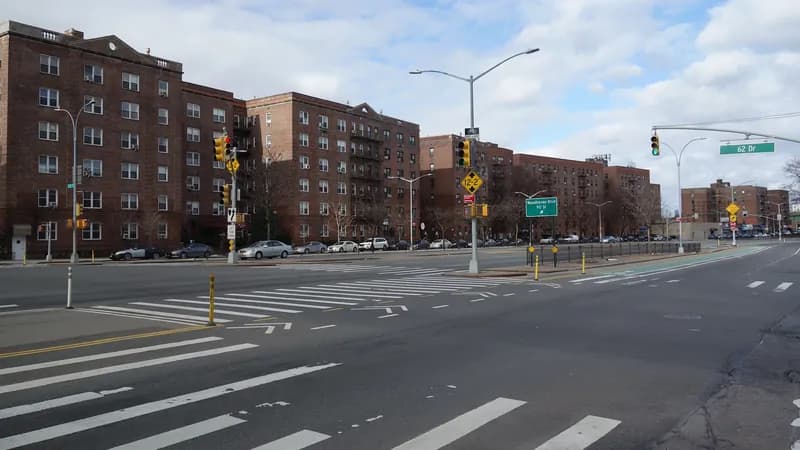
No-fault coverage for pedestrians
New York's no-fault system generally covers pedestrians. Insurance Law 5102 defines a covered person to include any pedestrian injured through the use or operation of a vehicle that has the required insurance, and no-fault pays basic economic loss, such as medical bills and part of lost earnings, up to $50,000 per person, without proving who was at fault. Insurance Law 5103(b) lets insurers exclude some people, for example someone who intentionally caused their own injury.
No-fault comes with short deadlines and paperwork requirements. Our guide to no-fault versus bodily injury claims walks through them.
When you can claim against the driver
Beyond no-fault, a pedestrian can bring an injury claim against the driver or vehicle owner. Between people covered by no-fault, pain and suffering is recoverable only for a "serious injury" as defined in Insurance Law 5102(d), while economic loss above basic no-fault benefits can be claimed without one (Insurance Law 5104).
Fault rules changed in 2026. For a personal injury action subject to Insurance Law Article 51 that is commenced on or after May 26, 2026, CPLR 1411(b) bars recovery if the injured person's fault is greater than that of the defendants combined, as described in DFS Circular Letter No. 3 (2026). Whether a particular pedestrian's case is subject to Article 51 depends on its facts, so have it reviewed.
Step 1
Get help and medical care first
Call 911, move out of traffic if you can do so safely, and get medical care even if you feel fine. Tell the provider you were hit by a vehicle. Do not walk back into the roadway to take photos or confront the driver.
Step 2
Collect information when it is safe
- The driver's name, license plate, insurance and vehicle owner, if you can get them safely, and the police report number.
- Names and contact information of witnesses.
- Locations of cameras on nearby buildings, buses or businesses; footage is often overwritten quickly.
- Photos of your injuries and, later, of the intersection, signals and lighting.
Step 3
Watch the deadlines
No-fault forms are due quickly after a crash. Injury lawsuits against a private driver generally must be filed within three years under CPLR 214. If a city vehicle, bus or road condition is involved, the deadline is much shorter and depends on the entity: local public bodies generally require a notice of claim within 90 days under General Municipal Law 50-e, claims against the State go to the Court of Claims, and some public authorities have their own statutes. See how to sue a city or public agency in New York.
Frequently asked questions
Generally yes. Insurance Law 5102 includes pedestrians injured through the use of an insured vehicle as covered persons, so the vehicle's no-fault coverage pays basic economic loss, such as medical bills and part of lost earnings, up to $50,000 per person.
Yes, but for pain and suffering between covered persons you must show a serious injury under Insurance Law 5102(d). Economic loss above basic no-fault benefits can be claimed without a serious injury.
Your own conduct can reduce or, in some motor-vehicle cases commenced on or after May 26, 2026, bar recovery under CPLR 1411. Drivers still must exercise due care to avoid hitting pedestrians, so the facts of the crash matter.
NYPD collision records on NYC Open Data list 8,973 pedestrians injured in 2022, 9,075 in 2023, 9,616 in 2024 and 9,134 in 2025, as of an October 2026 retrieval.
Related guides
Sources
- NYC Open Data: Motor Vehicle Collisions - Crashes (NYPD)
- N.Y. Vehicle and Traffic Law 1146 (due care)
- N.Y. Vehicle and Traffic Law 1151 (crosswalks)
- NYC Administrative Code 19-190 (failure to yield)
- N.Y. Insurance Law 5102 (definitions; basic economic loss)
- N.Y. Insurance Law 5104 (limits on suits)
- DFS Insurance Circular Letter No. 3 (2026)
- N.Y. CPLR 214
Hit by a vehicle while walking?
We can sort out no-fault coverage, the driver's insurance and the deadlines that apply. The consultation is free.