
Slip and Fall Attorney NJ
Holding negligent property owners accountable for injuries
Premises Hazard Record Review
We Look for Notice, Inspection, and Cleanup Proof
Slip-and-fall cases depend on what the property owner knew, should have known, and did before the fall. We preserve incident reports, photos, surveillance footage, maintenance logs, snow-and-ice cleanup records, inspection schedules, and witness statements.
Hazard notice timeline
Complaints, prior incidents, inspection gaps, and cleanup timing show whether the danger should have been fixed.
Condition documentation
Scene photos, video, footwear, weather records, and treatment notes keep the dangerous condition from being disputed.
Slip and fall attorney NJ checklist
What Matters in a New Jersey Fall Claim
A New Jersey slip-and-fall claim usually turns on proof of a dangerous condition, who controlled the property, and whether the owner or manager knew or reasonably should have known about the hazard. Licatesi Law Group emphasizes notice evidence, inspection and cleanup timing, medical proof, and New Jersey comparative-negligence issues so visitors can quickly understand what matters in a fall claim.
Premises liability proof
Inspection records, cleanup logs, incident reports, video, and prior complaints can show whether a dangerous condition should have been corrected.
Injury documentation
Medical records, photos, treatment gaps, and work restrictions connect the slip and fall injury to the unsafe condition.
Law firm review
Our law firm evaluates insurance coverage, liable parties, and deadlines before negotiating with an insurance company.
Anyone who owns or manages real estate in New Jersey has a legal duty to keep the premises safe for those who may enter. This duty applies whether the property is used for residential, commercial or other purposes. If you've suffered a slip and fall on someone else's property, you deserve to be compensated for your injuries. The knowledgeable attorneys at Licatesi Law Group in Saddle Brook can evaluate the circumstances of your mishap to determine who was at fault and work to hold those parties answerable for damages.
Dangerous conditions that can cause slips and falls
Property owners and managers, lessees and anyone else in control of residential or commercial premises are liable for failing to keep the property safe or to warn of dangerous conditions that create unreasonable risk of harm to visitors. Examples are:
- Holes in the ground
- Cracks in paved walkways
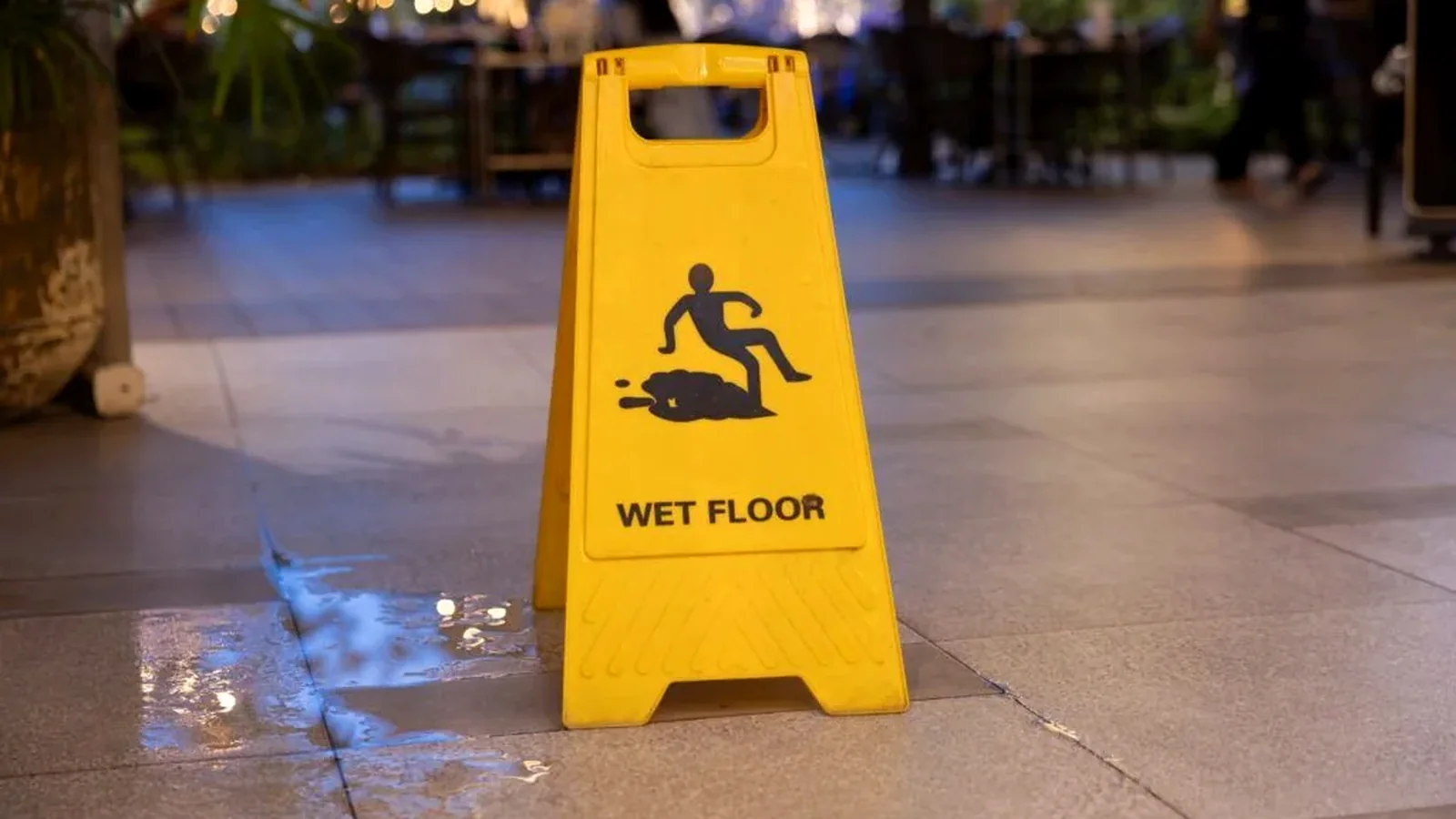
- Wet floors
- Ice and snow accumulation
- Broken or missing railings on stairways
- Obstacles in trafficked areas
- Loose and uneven carpets and rugs
An owner or possessor of property is liable for not remediating or warning of dangerous conditions they know of or reasonably should know of. While an accident might be partially caused by a visitor not exercising due care, that does not eliminate the owner's or possessor's duty of care.
When can someone be liable for a slip and fall in New Jersey?
Whether the owner or possessor of real estate may be liable for injury depends, in part, on why the visitor is on the premises. In New Jersey, there are three recognized categories of entrants:
Invitees
These visitors enter a property for the benefit of the owner or possessor. Examples are customers of a store or restaurant. The duty of care is to maintain safe conditions, to conduct regular inspections hazards and to warn of hidden dangers.
Licensees
The duty to people permitted to enter the property, such as social guests, is to warn of dangerous conditions the owner or manager is actually aware of.
Trespasser
When a visitor is on property without permission, the only duty is to warn of conditions that pose an unreasonable danger and not to engage in intentional conduct likely to cause harm. Trespassing children must be kept safe from attractive but dangerous conditions.
If a jury decides that the injured visitor was partially negligent, the visitor's damages will be reduced by their percentage of fault.
New Jersey Slip and Fall Statistics
Slip and fall accidents are a major cause of injury in New Jersey, particularly during winter months. Understanding the scope highlights why property owners must maintain safe premises:
Slip/fall ER visits annually in New Jersey
Of accidental deaths result from falls
Of slip/fall accidents involve property owner negligence
Average settlement for significant slip/fall injuries
Winter Hazards: New Jersey's harsh winters create significant slip/fall risks. Snow/ice accumulation on sidewalks, parking lots, and building entrances account for 40%+ of winter slip/fall injuries.
Detailed Hazardous Conditions in New Jersey
New Jersey property owners have a legal duty to maintain safe premises and warn of dangerous conditions. Here are the most common hazards that cause slip and fall accidents in NJ:
Snow & Ice (40% of Winter Falls)
Common Snow/Ice Hazards:
- Uncleared sidewalks after snowstorms
- Black ice in parking lots (invisible hazard)
- Ice accumulation on building entrances
- Inadequate salting/sanding of walkways
- Snow piled blocking safe walking paths
- Melting/refreezing creating ice patches
NJ Snow Removal Laws:
- Most NJ municipalities require snow removal within reasonable time
- Residential property owners: clear sidewalks within 24 hours
- Commercial properties: higher duty due to business invitees
- "Ongoing storm" rule: limited liability during active snowfall
- Property owner liable for unnatural ice accumulation (leaking gutters, poor drainage)
NJ follows "ongoing storm doctrine" - property owners get reasonable time after storm ends to clear snow/ice. However, failure to act within 24-48 hours creates liability.
Wet & Slippery Surfaces
Indoor Hazards:
- Freshly mopped floors without warning signs
- Spills left unattended in grocery stores/restaurants
- Leaking pipes creating puddles
- Rainwater tracked into entryways (no mats)
- Wet floors in bathrooms/kitchens
- Grease on restaurant kitchen floors
Property Owner Responsibilities:
- Post "Wet Floor" signs right away when mopping
- Regular inspections of high-traffic areas
- Clean spills within reasonable time of discovery
- Use mats/rugs at entrances during rain
- Maintain proper drainage to prevent pooling
NJ courts apply "constructive notice" - if spill/water existed long enough that owner should have discovered it through reasonable inspections, owner is liable even if they didn't know.
Uneven Walking Surfaces
Outdoor Hazards:
- Cracked/broken sidewalks (common in older NJ towns)
- Potholes in parking lots
- Uneven pavement from tree root growth
- Broken curbs creating trip hazards
- Loose gravel on walkways
- Height differences without warning/marking
Indoor Hazards:
- Torn or bunched carpeting/mats
- Loose floorboards or tiles
- Transitions between flooring types (carpet to tile)
- Thresholds between rooms
- Wrinkled rugs without non-slip backing
NJ applies "trivial defect" doctrine - very minor defects (under 1 inch) may not support liability. However, surrounding factors (poor lighting, debris hiding defect) can make small defects actionable.
Stairway Hazards
Common Stair Defects:
- Missing or broken handrails
- Inadequate lighting on stairs
- Worn or slippery stair treads
- Uneven step heights (building code violation)
- Loose/wobbly railings
- Missing non-slip strips on outdoor stairs
NJ Building Code Requirements:
- Handrails required on stairs with 4+ risers
- Handrails must be 34-38 inches high
- Step risers must be uniform (not vary more than 3/8")
- Adequate lighting required on all stairs
- Outdoor stairs need slip-resistant surfaces
Violation of NJ building codes creates presumption of negligence. If property doesn't meet code requirements and someone falls, owner is likely liable.
Slip and Fall Injury Categories & Compensation (New Jersey)
Slip and fall accidents can cause severe, life-changing injuries. New Jersey allows recovery for medical expenses, lost wages, pain/suffering, and permanent disability. Here are common injury types:
Hip & Leg Fractures (Most Common in Elderly)
Typical Injuries:
- Hip fractures requiring surgery (hip replacement common)
- Femur (thighbone) fractures
- Ankle fractures (often require plates/screws)
- Knee fractures (patella, tibial plateau)
- Pelvis fractures (extremely painful, long recovery)
NJ Compensation Range:
- Simple ankle fracture: $50K-$200K
- Hip fracture with surgery: $150K-$600K
- Multiple fractures: $400K-$1.2M
- Elderly with permanent disability: $600K-$1.5M+
Hip fractures in elderly often lead to loss of independence and reduced life expectancy, justifying higher compensation for diminished quality of life.
Head & Brain Injuries (Falling Backwards)
Typical Injuries:
- Concussions (mild traumatic brain injury)
- Skull fractures
- Intracranial hemorrhage (brain bleeding)
- Moderate to severe TBI
- Post-concussion syndrome (chronic headaches, memory problems)
NJ Compensation Range:
- Concussion with full recovery: $40K-$120K
- Skull fracture: $200K-$600K
- Moderate TBI with cognitive issues: $800K-$4M
- Severe TBI with permanent disability: $4M-$12M+
Brain injuries often worsen over time. Victims may seem fine initially but develop cognitive problems months later. Early neuropsychological testing is important.
Back & Spinal Cord Injuries
Typical Injuries:
- Herniated discs (lumbar or cervical spine)
- Compression fractures (vertebrae crushed)
- Spinal cord injuries (partial or complete paralysis)
- Nerve damage (sciatica, radiculopathy)
NJ Compensation Range:
- Herniated disc treated conservatively: $80K-$350K
- Herniated disc requiring surgery: $250K-$900K
- Compression fractures: $200K-$650K
- Spinal cord injury with paralysis: $2.5M-$18M+
Back injuries often require multiple surgeries and lifelong pain management. Many victims cannot return to physically demanding jobs.
Wrist, Arm & Shoulder Injuries
Typical Injuries:
- Wrist fractures (Colles' fracture, scaphoid fracture)
- Shoulder fractures (humerus, clavicle)
- Rotator cuff tears (from breaking fall)
- Dislocated shoulder
- Elbow fractures
NJ Compensation Range:
- Wrist fracture: $40K-$180K
- Rotator cuff tear requiring surgery: $120K-$450K
- Shoulder fracture with hardware: $80K-$350K
- Multiple upper extremity fractures: $250K-$900K+
Upper extremity injuries are devastating for manual laborers and professionals who use their hands. Permanent range of motion limitations justify higher compensation.
Wrongful Death from Slip & Fall
Common Scenarios:
- Elderly victim dies from complications (hip fracture → nursing home → infection)
- Severe head injury causing death
- Internal bleeding undetected initially
- Fall from height (stairs, platform)
NJ Wrongful Death Compensation:
- Loss of financial support to family
- Loss of services, guidance, companionship
- Funeral and burial expenses
- Medical bills before death
- Typical recovery: $800K-$4M+
NJ Wrongful Death Act (NJSA 2A:31-1) allows families to recover for loss of support AND loss of companionship (unlike NY, which limits recovery to pecuniary losses only).
New Jersey Comparative Negligence Law
Modified Comparative Negligence (51% Bar Rule)
How NJ Comparative Negligence Works:
New Jersey follows "modified comparative negligence" with a 51% bar. This means you can recover damages ONLY if you were 50% or less at fault. If you're found 51% or more responsible for your fall, you recover NOTHING.
Example 1 (You Recover): You slip on ice in a parking lot. Jury finds property owner 70% at fault (failed to salt/sand) and you 30% at fault (wearing inappropriate shoes). Your damages are $100,000.
You recover: $70,000 ($100K minus your 30% fault)
The 51% Bar (You Recover Nothing):
Example 2 (You Recover ZERO): You slip on a wet floor. Jury finds property owner 49% at fault (no warning sign) and you 51% at fault (texting while walking, ignoring obvious water).
You recover: $0 (even though your damages are $100,000, you're barred from any recovery because you're 51%+ at fault)
This is why insurance companies aggressively try to blame slip/fall victims. If they can shift 51%+ fault to you, they pay nothing.
Common Defense Tactics to Shift Fault to Victim:
- Claiming you were distracted (phone, talking, not watching)
- Arguing hazard was "open and obvious" (you should have seen it)
- Claiming you were wearing inappropriate footwear
- Arguing you were in an area you shouldn't have been
- Claiming you were rushing or running
We counter these defenses by showing: hazard was hidden/not obvious, you had legitimate reason to be there, you were walking normally, property owner's negligence was primary cause.
Important Evidence in NJ Slip & Fall Cases
Photos of Scene & Hazard (24-48 Hour Window)
We photograph the exact spot you fell, the hazard (ice, spill, crack), surrounding area, lighting conditions, lack of warning signs, and your injuries. Must be taken within 24-48 hours before conditions are fixed.
Photos prove: Size/severity of defect, hazard existed (not cleaned up yet), poor lighting, absence of warning signs, visible injuries.
Surveillance Footage (7-30 Day Window)
We send preservation letters demanding stores/businesses save security camera footage before automatic deletion (usually 7-30 days).
Footage proves: How long hazard existed (constructive notice), whether you were distracted/careless (comparative fault), what you slipped on, that you right away fell.
Incident Reports & Complaints
We obtain: Your incident report (if filled out), prior complaints about same hazard, municipal code violation records, and internal maintenance logs.
Reports prove: Actual notice (prior complaints), constructive notice (how long hazard existed), pattern of neglect (multiple complaints ignored).
Weather Reports (Snow/Ice Cases)
For winter falls, we obtain official weather data showing when snow stopped, temperatures, and whether "ongoing storm" rule applies. Also check for unnatural ice accumulation.
Weather proves: Storm ended hours/days before (owner had time to clear), temperatures created ice, whether ice was from storm or building defect.
How we can help you with your slip and fall case
A New Jersey injury attorney at our firm will investigate the property conditions that potentially caused your slip and fall and identify the responsible parties. We retain experts to help in the evaluation and presentation of your case in negotiations with insurance companies and defense counsel. If we don't reach a satisfactory settlement, we present the strongest case for liability and damages to a jury.
New Jersey slip-and-fall FAQs
Common Questions About New Jersey Fall Claims
Practical answers about proof, responsibility, comparative negligence, and evidence preservation after a New Jersey fall.
What do I need to prove after a slip and fall in New Jersey?
You generally need to show that a dangerous condition existed, that the property owner, manager, tenant, or other party in control knew or reasonably should have known about it, and that the condition caused your injuries. Photos, incident reports, witness names, inspection records, cleanup logs, surveillance footage, and medical records can all help connect the hazard to the fall.
Who can be responsible for a New Jersey slip-and-fall injury?
Responsibility can fall on a property owner, business operator, landlord, tenant, management company, maintenance contractor, snow-removal contractor, or another party that controlled the area where the fall happened. The right defendant depends on who had the duty to inspect, repair, warn, clean, salt, sand, or otherwise keep the premises reasonably safe.
How does comparative negligence affect a New Jersey slip-and-fall case?
New Jersey uses modified comparative negligence. If an injured person is partly blamed for the fall, any recovery can be reduced by that percentage of fault. If the injured person is found more responsible than the other parties combined, recovery may be barred. That is why notice evidence, photos, lighting conditions, footwear, warning signs, and surveillance footage can matter.
What evidence should I save after a fall on New Jersey property?
Save photos or video of the hazard, the exact location, warning signs or lack of signs, footwear and clothing, incident reports, witness information, medical records, bills, time missed from work, and any messages with the property owner or insurer. If a business or apartment building may have camera footage, it is important to request preservation quickly before footage is overwritten.
What hazards commonly lead to New Jersey slip-and-fall claims?
Common hazards include wet floors, spills, rainwater tracked into entrances, snow and ice, uneven sidewalks, potholes, loose rugs or carpeting, broken stairs, missing handrails, poor lighting, debris, and obstacles in walkways. The issue is not just that a hazard existed; the claim often depends on whether the responsible party had notice and a reasonable chance to fix or warn about it.