
Construction Accident Lawyer Near Me
40+ years fighting for injured construction workers. Expert knowledge of Scaffold Law (Labor Law 240). Immediate investigation. Free consultation.
NY Labor Law 240 - America's Strongest Worker Protection
The Scaffold Law creates strict liability for contractors when workers fall from heights or are struck by falling objects. Even if you were partially at fault, contractors are 100% liable if they failed to provide proper safety equipment.
- Falls from scaffolds, ladders, roofs, buildings
- Falling objects - tools, materials, debris
- Your fault doesn't matter - contractor liable regardless
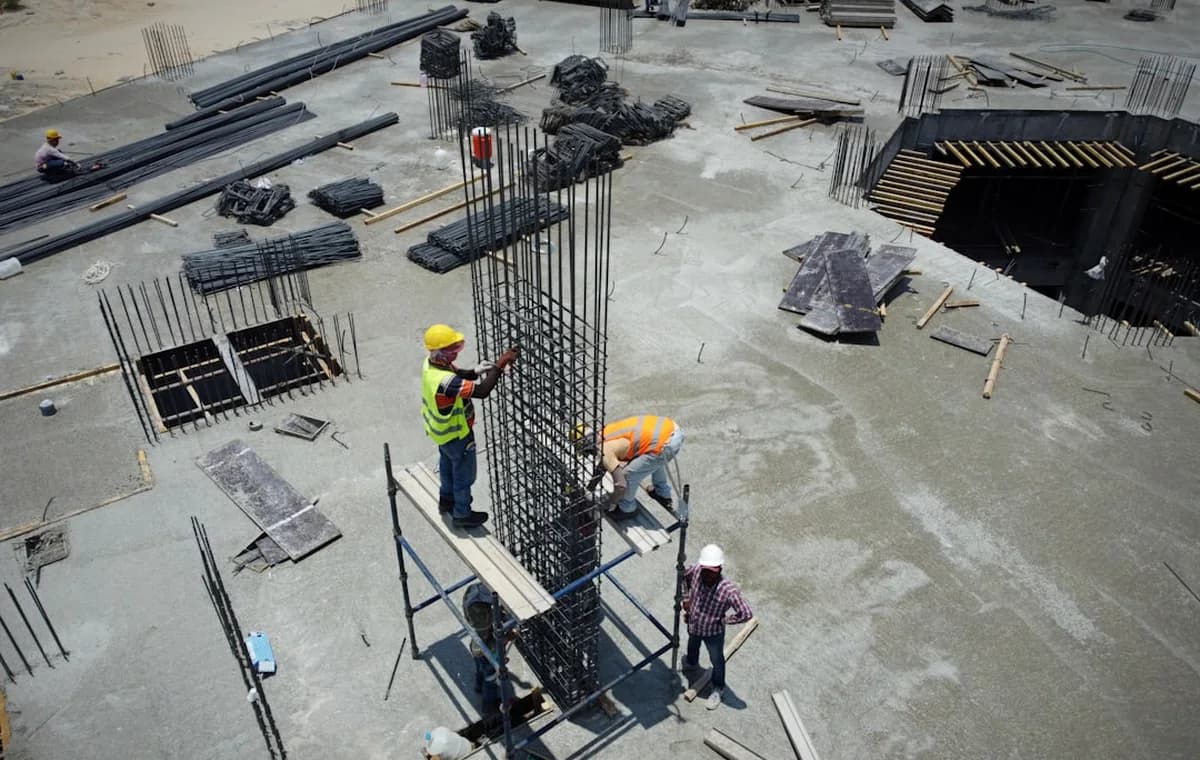
Site evidence review
We Preserve the Site Conditions Before the Job Moves On
Construction sites change fast. We look for photographs, daily logs, safety meeting records, witness names, equipment data, subcontractor roles, and OSHA/Labor Law issues before scaffolds, ladders, debris, or temporary platforms disappear.
Worksite timeline
We document who controlled the area and what safety equipment was available.
Third-party liability
Owner, GC, subcontractor, and equipment facts are separated from workers' comp.
Types of Construction Accidents We Handle
NYC Construction Accident Statistics
Construction is one of the most dangerous industries in New York City. Despite safety regulations, workers continue to suffer devastating injuries due to contractor negligence. Understanding these statistics highlights why strict enforcement of NY Labor Law 240 is important:
Construction injuries annually in NYC
Construction worker deaths in NYC each year
Of construction deaths result from falls from heights
Of construction accidents involve safety violations
Most Dangerous Boroughs: Queens and Brooklyn lead in construction fatalities due to rapid development, aging infrastructure renovations, and residential construction boom.
Leading Causes: Falls from heights (40%), struck by objects (20%), electrocution (15%), caught-in/between machinery (15%), trench cave-ins (10%).
Common Construction Accidents & Hazards
Construction sites are inherently dangerous. New York Labor Law 240 and 241 hold contractors strictly liable when they fail to provide proper safety equipment and follow industry standards. Here are the most common accidents we handle:
Falls from Heights (40% of Deaths - Labor Law §240)
Common Scenarios:
Scaffold Collapses
Improper assembly, overloading, missing guardrails, inadequate support
Ladder Accidents
Unstable ladders, wrong ladder for job, defective equipment, inadequate securing
Falls Through Openings
Unprotected skylights, elevator shafts, stairwells, floor openings
Roofing Falls
No harnesses, inadequate fall protection, slippery surfaces
Labor Law §240 Protection:
Strict Liability Applies:
Contractor 100% liable if proper safety devices weren't provided, even if worker was careless.
Required Safety Equipment:
Fall arrest systems, guardrails, safety nets, personal fall protection, proper scaffolds/ladders.
Covers All Elevation Work:
Construction, renovation, repair, painting, demolition - any work at height.
Struck By Falling Objects (Labor Law §240)
Common Objects:
- Tools dropped from scaffolds or buildings above
- Building materials (bricks, lumber, steel beams)
- Debris during demolition
- Crane-dropped loads
- Unsecured equipment falling from heights
- Collapsing walls or structures
Contractor Responsibilities:
- Secure all materials and tools at height
- Provide toe boards, netting, barriers
- Establish exclusion zones below work
- Require tool lanyards and tethers
- Proper rigging and hoisting procedures
Labor Law §240 applies even if object was dropped by another worker - contractor liable for failing to secure objects at height.
Electrocution (15% of Deaths)
Common Electrical Hazards:
- Contact with overhead power lines
- Live wires during renovation/demolition
- Inadequate lockout/tagout procedures
- Defective electrical tools
- Wet conditions + electricity
- Improper grounding of equipment
OSHA & Labor Law §241 Requirements:
- 10-foot clearance from overhead power lines
- Ground-fault circuit interrupters (GFCI)
- Proper lockout/tagout before working on electrical
- Insulated tools and protective equipment
- Qualified electricians for electrical work
Electrocution cases often result in severe burns, cardiac arrest, nerve damage, or death. Labor Law §241 and OSHA violations create liability.
Caught-In/Between & Trench Cave-Ins
Caught-In/Between Hazards:
- Machinery with moving parts (saws, drills, presses)
- Equipment rollovers (forklifts, loaders)
- Caught between walls/structures during collapse
- Pinned by vehicles or heavy equipment
- Body parts pulled into machinery
Trench/Excavation Collapses:
- OSHA requires shoring for trenches 5+ feet deep
- Soil analysis before excavation
- Proper sloping or shielding systems
- Daily trench inspections required
- Cave-ins often result in suffocation/crush injuries
Trench collapses are almost always fatal or catastrophic. OSHA violations and Labor Law §241 create strong liability.
Crane & Hoist Accidents
Crane Accident Types:
- Crane collapses (structural failure, overloading)
- Dropped loads (rigging failure, operator error)
- Crane contact with power lines
- Workers struck by swinging loads
- Improper assembly or maintenance
NYC Crane Regulations:
- Licensed crane operators required (NYC DOB)
- Regular inspections and certifications
- Site-specific safety plans
- Exclusion zones around crane operations
- Weather restrictions (wind speeds)
NYC has strict crane regulations after multiple crane collapse deaths. Violations create liability under Labor Law §200, §240, §241.
Toxic Exposure & Respiratory Hazards
Common Toxic Exposures:
- Asbestos during demolition/renovation (mesothelioma risk)
- Silica dust from cutting concrete/masonry (silicosis)
- Lead paint removal (neurological damage)
- Carbon monoxide from equipment/generators
- Chemical fumes (solvents, adhesives, coatings)
- Welding fumes (manganese, hexavalent chromium)
Required Protections:
- Respiratory protection (N95, P100, supplied air)
- Air monitoring and ventilation
- Hazard communication (Safety Data Sheets)
- Medical surveillance for exposed workers
- Proper containment and disposal
Toxic exposure cases may take years to develop (mesothelioma, silicosis). Workers' comp AND third-party lawsuits often available.
Evidence Disappears Quickly on Construction Sites
Construction sites change daily. Scaffolds are dismantled, equipment is removed, debris is cleared, safety violations are corrected. We must investigate right away to document: scene photos, equipment defects, OSHA violations, witness statements, safety logs, and rental records.
Call (516) 227-2662 within 24-48 hours of your accident. We'll dispatch investigators to preserve evidence before it's destroyed.
Construction Injury Categories & Compensation
Construction accidents cause some of the most severe injuries we see. The combination of heavy machinery, heights, electricity, and hazardous materials leads to catastrophic injuries requiring lifetime medical care. NY Labor Law 240's strict liability often results in substantial compensation:
Falls from Heights - Fractures & Spinal Injuries(Labor Law §240)
Typical Injuries:
- Multiple fractures (legs, arms, ribs, pelvis)
- Spinal cord injuries (paralysis, paraplegia, quadriplegia)
- Compression fractures (vertebrae crushed on impact)
- Hip and femur fractures requiring surgery
- Herniated/ruptured discs throughout spine
- Permanent disability, wheelchair-bound
Compensation Range:
- Multiple fractures with recovery: $500K-$2M
- Spinal fusion surgery: $750K-$3M
- Incomplete paralysis (paraparesis): $3M-$8M
- Complete paraplegia: $8M-$15M
- Quadriplegia: $15M-$30M+
Labor Law §240 strict liability means contractor pays 100% even if worker contributed to fall. We've recovered $5M-$20M+ for paralyzed construction workers.
Traumatic Brain Injuries (TBI)
Typical Injuries:
- Severe concussions from falls or struck-by accidents
- Skull fractures
- Intracranial hemorrhage (brain bleeding)
- Diffuse axonal injury (tearing of brain tissue)
- Cognitive impairment (memory, concentration, speech)
- Personality changes, depression, anxiety
Compensation Range:
- Moderate TBI with recovery: $1M-$3M
- Severe TBI with cognitive deficits: $3M-$10M
- Permanent vegetative state: $10M-$25M+
- Includes: lifetime medical care, cognitive therapy, attendant care
TBI victims often cannot return to work, require 24/7 supervision, and face reduced life expectancy. Life care plans documenting future needs are important for maximizing compensation.
Amputations & Crush Injuries
Typical Injuries:
- Traumatic amputation (immediate loss at accident)
- Surgical amputation (limb too damaged to save)
- Finger/thumb amputations (saws, machinery)
- Hand/arm amputations
- Leg/foot amputations
- Mangling injuries requiring reconstruction
Compensation Range:
- Finger amputation: $250K-$750K
- Hand amputation: $1M-$3M
- Arm amputation: $2M-$6M
- Leg amputation: $2M-$8M
- Multiple limbs: $8M-$20M+
Amputations end careers, require lifelong prosthetics, cause phantom pain, and dramatically reduce quality of life. Compensation includes prosthetics ($50K-$100K+ each), home modifications, occupational therapy, and lost earning capacity.
Electrocution & Burn Injuries
Typical Injuries:
- Electrical burns (entry/exit wounds, internal organ damage)
- Arc flash burns (up to 35,000°F, vaporize flesh)
- Thermal burns from explosions/fires
- Cardiac arrest from electrical shock
- Nerve damage, chronic pain syndromes
- Scarring, disfigurement, skin grafts
Compensation Range:
- 2nd-degree burns (under 20% body): $500K-$2M
- 3rd-degree burns (20-40% body): $2M-$8M
- Severe burns (40%+ body): $8M-$20M+
- Includes: burn center care, skin grafts, reconstructive surgery, scar revision
Burn victims endure excruciating pain, dozens of surgeries, permanent scarring, loss of sensation, and psychological trauma (PTSD, depression). Many cannot work or socialize normally.
Respiratory Diseases (Asbestos, Silica, Toxic Fumes)
Typical Diseases:
- Mesothelioma (asbestos exposure, 20-50 year latency)
- Asbestosis (lung scarring from asbestos)
- Silicosis (lung disease from silica dust)
- Chemical pneumonitis (lung inflammation from fumes)
- Chronic obstructive pulmonary disease (COPD)
- Lung cancer
Compensation Range:
- Asbestosis/Silicosis: $500K-$3M
- Mesothelioma: $2M-$10M+
- Lung cancer (occupational): $1M-$5M
- Multiple defendants often liable (contractors, manufacturers, property owners)
Respiratory disease cases are complex - often sue multiple parties (asbestos manufacturers, contractors, property owners). Workers' comp AND lawsuits available. Many victims worked at multiple sites over decades.
Wrongful Death (Construction Fatalities)
Common Fatal Accidents:
- Falls from heights (scaffolds, roofs, buildings)
- Struck by falling objects or collapsing structures
- Electrocution from power lines or faulty equipment
- Trench cave-ins (suffocation/crushing)
- Crane collapses
- Vehicle accidents on site
Compensation for Families:
- Loss of financial support (lifetime earnings)
- Loss of parental guidance (conscious pain/suffering)
- Funeral and burial expenses
- Pre-death medical expenses
- Typical recovery: $3M-$15M+
NY EPTL §5-4.3 allows wrongful death claims. Labor Law §240 cases often result in $5M-$15M+ because strict liability eliminates comparative fault defenses.
Workers' Comp Is NOT Enough - You Need BOTH
Workers' Compensation (Limited):
- 2/3 of average weekly wage (capped at $1,131/week in 2024)
- Medical bills covered
- NO pain and suffering
- NO full lost wages
- NO loss of enjoyment of life
Third-Party Lawsuit (Full Recovery):
- 100% lost wages (past and future)
- Pain and suffering ($1M-$5M+ for severe injuries)
- Loss of earning capacity (lifetime income)
- Loss of enjoyment of life
- Punitive damages (in egregious cases)
Example: Workers' comp pays $800/week + medical = $150K total over 3 years. Third-party lawsuit settles for $5M. You get BOTH.
Proving Contractor Negligence - Labor Law 240, 241 & OSHA
New York has the strongest construction worker protection laws in America. Labor Law Sections 240 and 241 create liability far beyond ordinary negligence. Here's how we prove your case:
NY Labor Law §240 - "Scaffold Law" (Strict Liability)
What It Covers:
- ✓ Falls from heights (scaffolds, ladders, roofs, buildings)
- ✓ Falling objects (tools, materials striking workers below)
- ✓ Any elevation-related work (construction, renovation, repair, painting, demolition)
Strict Liability Means:
- ✓ Contractor 100% liable if proper safety equipment wasn't provided
- ✓ Worker's fault is IRRELEVANT (no comparative negligence)
- ✓ No need to prove contractor knew of danger
- ✓ Simply prove: (1) fall from height, (2) inadequate safety devices
Why This Is Huge: In most injury cases, defendants argue "it was your fault." Under §240, that defense is ELIMINATED. If the contractor didn't provide a proper scaffold, guardrail, harness, or ladder, they're liable. Period.
NY Labor Law §241 - Specific Safety Standards
What It Covers:
- Trench safety (shoring, sloping requirements)
- Machinery guarding (saws, drills, presses)
- Electrical safety (lockout/tagout, grounding)
- Excavation protections
- Hoisting and rigging standards
- Personal protective equipment (PPE)
How We Prove Violation:
- Cite specific Industrial Code regulation violated
- Show regulation is "sufficiently specific" (not general)
- Prove violation was proximate cause of injury
- Unlike §240, comparative negligence can reduce recovery
Important Evidence We Collect
Accident Scene Photos & Measurements
We document the scene within 24-48 hours before it's cleared: scaffold configuration, ladder type/condition, fall protection systems (or lack thereof), guardrails, safety nets, site conditions.
Proves: What safety equipment was/wasn't provided, height of fall, hazardous conditions, OSHA/Industrial Code violations visible at scene.
OSHA Investigation Reports
We obtain OSHA inspection reports, citations issued, violation descriptions, and proposed penalties. OSHA investigates most serious construction accidents.
Proves: Contractor violated federal safety standards, specific violations identified by OSHA inspectors, pattern of violations if contractor was cited before.
Safety Logs & Training Records
We subpoena: daily safety logs, toolbox talk records, equipment inspection logs, worker training certifications, site-specific safety plans.
Proves: Lack of safety training, failure to inspect equipment, no documented safety meetings, contractor's pattern of cutting corners on safety.
Equipment Rental Records & Specifications
We obtain: scaffold rental agreements, ladder specifications, fall protection equipment logs, crane certifications, maintenance records.
Proves: Wrong equipment for the job (ladder too short, scaffold improper for height), defective equipment, lack of required fall protection, equipment not inspected/maintained.
Safety Expert Witnesses
We retain: construction safety engineers, OSHA compliance experts, scaffold design experts, electrical safety experts, biomechanics experts.
Experts testify: Contractor violated Labor Law §240/§241, OSHA standards, industry best practices. Proper safety equipment would have prevented injury.
Witness Statements (Co-Workers)
We interview co-workers right away (before they move to other jobs): what safety equipment was provided, contractor's verbal instructions, prior complaints about safety, rushed schedules.
Witnesses testify: Contractor never provided harnesses, workers complained about broken scaffolds, supervisor told workers to "hurry up" despite safety concerns.
Why Licatesi Law Group for Construction Accidents?
- 40+ years representing injured construction workers
- Deep Labor Law 240/241 expertise - we know how to use these powerful laws
- $100M+ recovered including $5M-$20M+ construction verdicts
- Immediate site investigation - we document evidence within 24-48 hours
- Network of safety experts - OSHA, scaffold, electrical, biomechanics
- Immigration-sensitive - your status does NOT affect your rights
- Trial experience - we've successfully tried Labor Law 240 cases to verdict
- No fee unless we win - call (516) 227-2662 free consultation
Frequently Asked Questions
Injured on a Construction Site? Call Now
Immediate investigation. Free consultation. No fees unless we win. We fight for injured workers.